
Last updated November 15, 2026
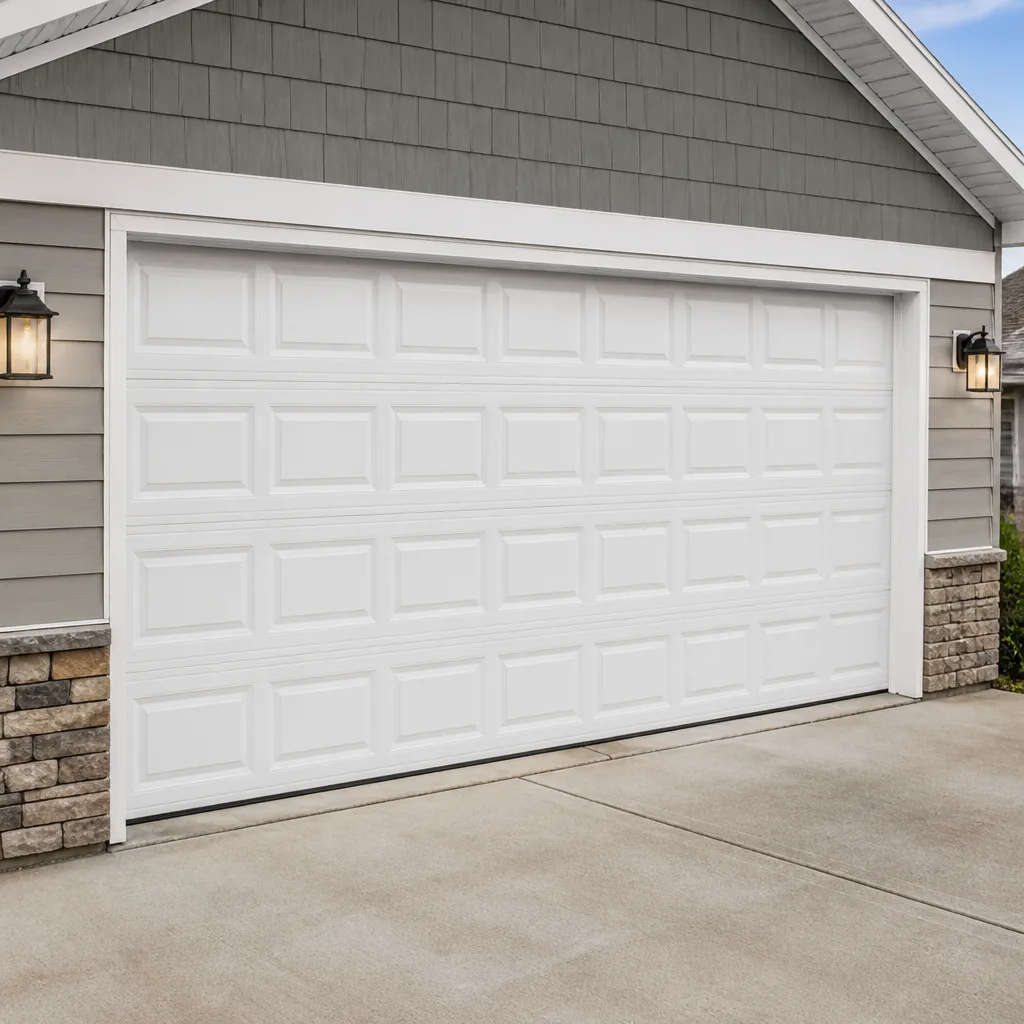 Raised-panel steel
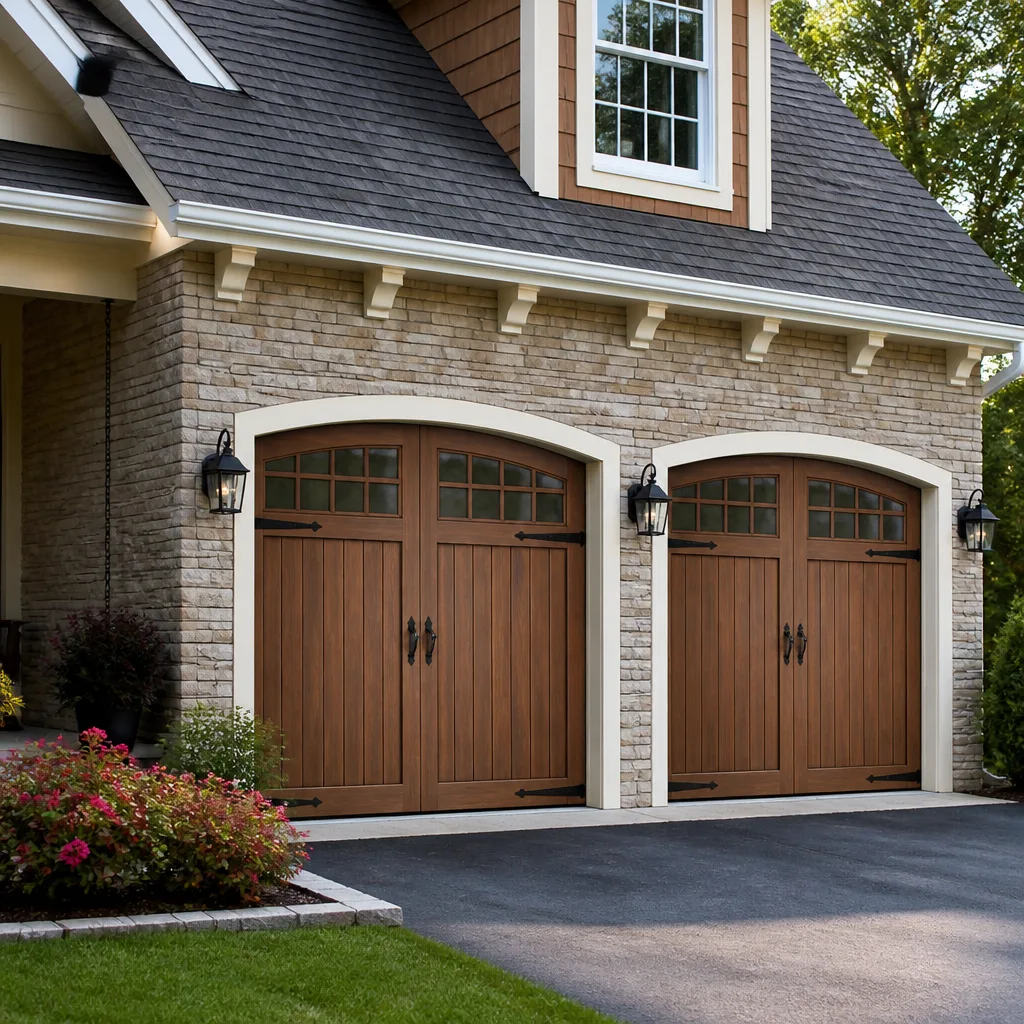 Carriage house
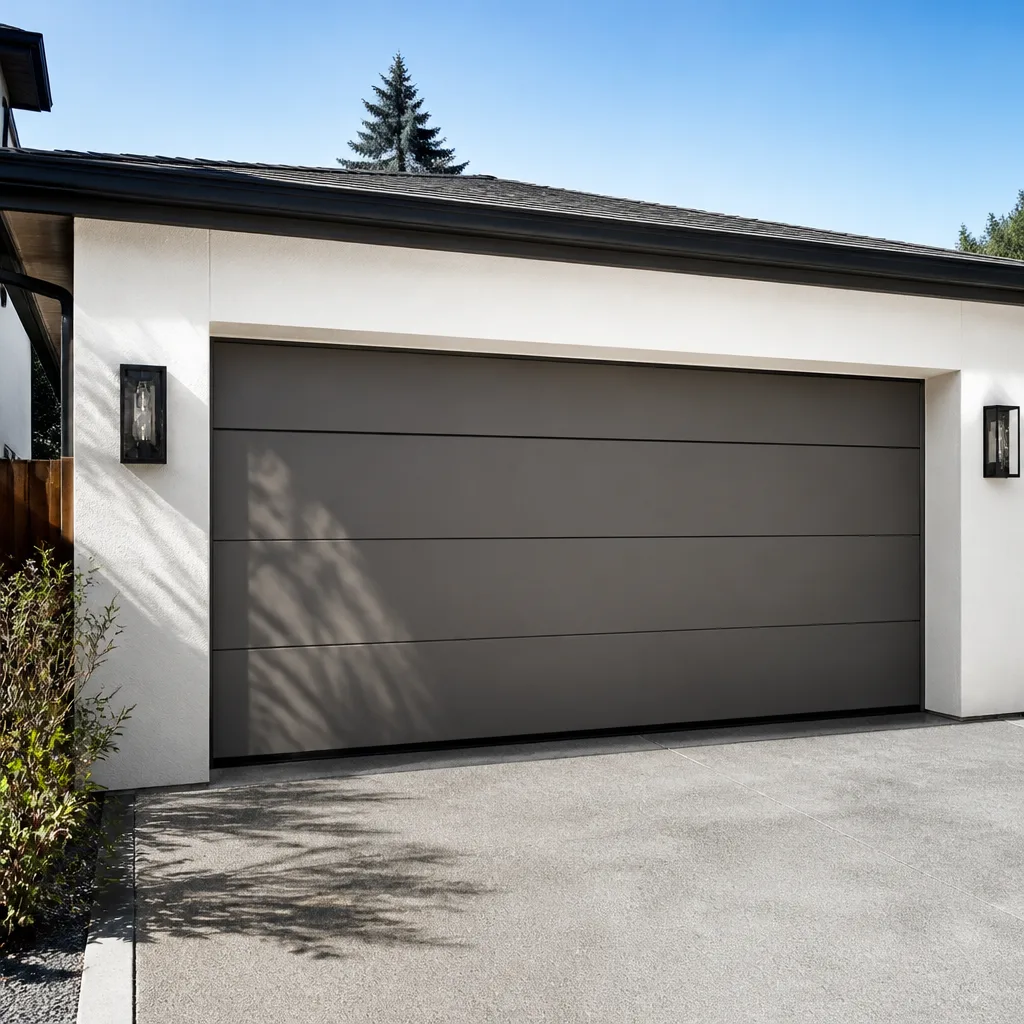 Modern flush
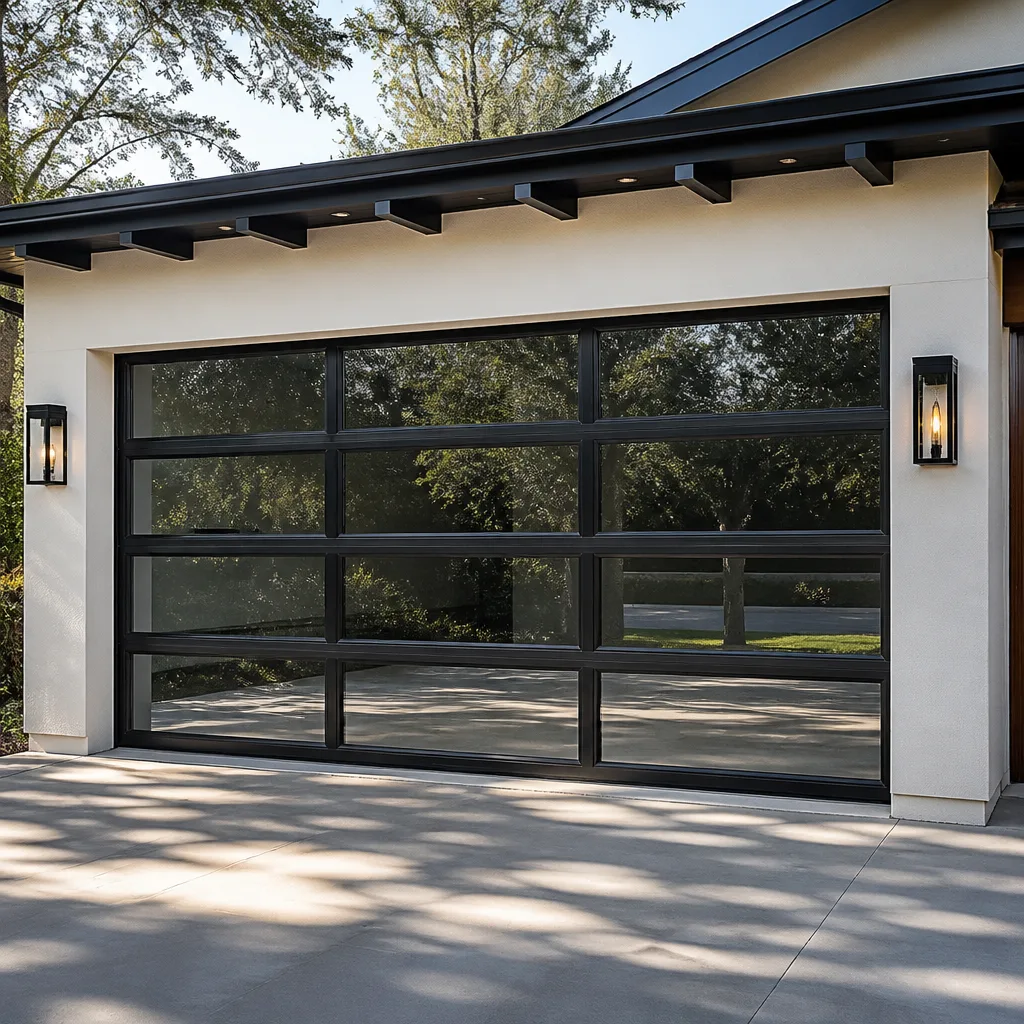 Full-view glass
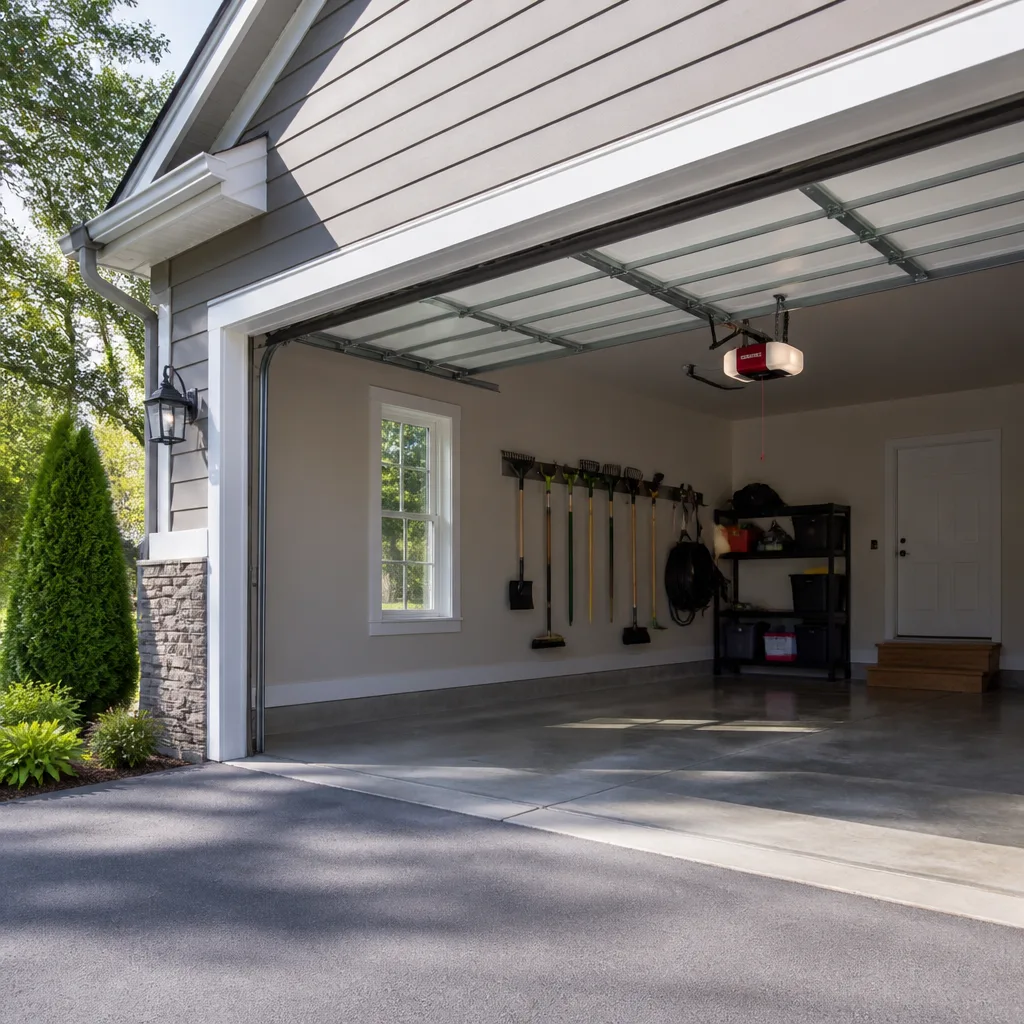 LiftMaster openers
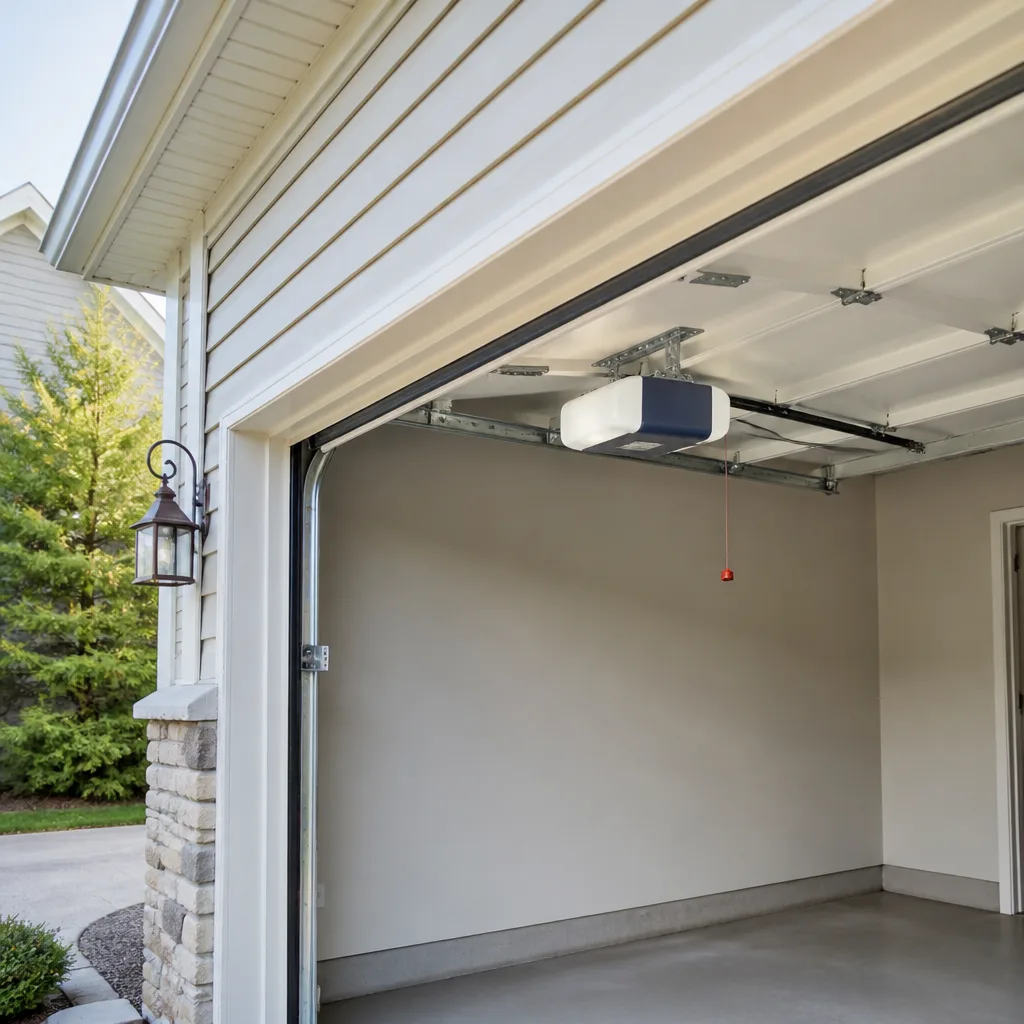 Chamberlain openers
Full 25-point door and opener safety check with every visit - springs, cables, rollers, tracks, and your LiftMaster or Chamberlain opener included
You get a price before we start. It does not change when the pro arrives.
Get your free estimateSeasonal Garage Door Care for El Paso: Year-Round Homeowner’s Guide
Most garage door advice you’ll find online assumes four equal seasons and a wet climate. El Paso doesn’t work that way. The city averages fewer than 8 inches of rain a year, so “winterizing” sounds like something for people with snow blowers and icy driveways. But overnight lows below 20°F happen several times each winter here, and that’s enough to make a threshold seal seize shut and a cold-contracted door strip an opener gear in about three cycles. Meanwhile, the real long haul is the UV window from April through September, which slowly cooks every rubber seal and bakes the lubricant right off your moving parts. This guide walks you through what to check and when, so your door keeps working through both halves of the year.
Quick Answer
Garage door care in El Paso comes down to two maintenance windows: a pre-summer checklist in March and April that targets UV seal degradation, lubricant loss, and spring tension changes as the heat builds, and a pre-winter checklist in October and November that targets threshold seal flexibility, cold-weather opener sensitivity, and fresh lubrication before the first hard freeze. Add a debris-clearing routine for the windy March-to-May stretch and a professional torsion spring inspection once a year, and most doors make it through the calendar without a surprise failure.
Styles & brands we work with
- Raised-panel steel
- Carriage house
- Modern flush
- Full-view glass
- LiftMaster openers
- Chamberlain openers
Table of Contents
- Why El Paso Has Two Garage Door Seasons, Not Four
- The Pre-Summer Checklist (March and April)
- How Desert Heat Changes Springs, Seals, and Openers
- Wind Season: March Through May in El Paso
- The Pre-Winter Checklist (October and November)
- Your Attached Garage as a Heat Buffer
- When to Schedule Professional Service
- Matching Care to Your Door and Opener Brand
Why El Paso Has Two Garage Door Seasons, Not Four
El Paso garage doors face a spring-and-fall pattern dressed up as a climate. The hot half of the year runs roughly April through September, with months of relentless sun and daytime highs that stress every rubber component on the door. The cool half runs November through February, and it isn’t a gentle cool. The desert drops fast once the sun goes down, and those nighttime lows in the teens and low twenties are what catch homeowners off guard.
Here’s the sequence we see repeat: a door contracts in a cold snap, its bottom seal sticks to a concrete threshold that’s frosted over, and the opener keeps pulling anyway. The result is strain on the gear set and the motor. In our experience, a slow chain-drive unit on a heavy door can lose an opener gear inside a few cycles of that fight. It’s a fixable problem, but a completely avoidable one if the seal gets conditioned before the cold arrives.
The heat side is slower and quieter. UV light attacks the rubber weather seals, the plastic rollers, and the lubricant film on hinges, rollers and springs. A dry spring under load and a dry bearing both fail faster, and neither gives much warning before it does. Pair that with El Paso’s dust, which migrates into tracks and mixes with old grease, and the result is a door that grinds a little more every summer.
Understanding these two windows is the whole point of seasonal care. You’re not winterizing for snow. You’re managing UV in the summer and cold-snap contraction in the winter, plus the wind season that sits between them. That’s the calendar that actually applies in El Paso.
The Pre-Summer Checklist (March and April)
Spring is your last comfortable window to prepare for the brutal stretch. By May the sun exposure is already intense, so the work you do in March and April carries the door through to October. Here’s the routine we walk homeowners through:
- Inspect every weather seal for UV damage. Run a hand along the bottom seal, the perimeter seals, and the seal between the panels if your door has one. Chalky texture, visible cracks, or a seal that’s gone hard and glossy are all signs UV has cooked the rubber. Replace before summer, not after.
- Clean and lubricate all moving metal. Wipe down hinges, rollers, and the torsion spring with a clean rag, then apply a garage-door-rated lubricant sparingly. Dust and old grease form a paste that traps grit, so a clean surface matters as much as the lube itself.
- Check roller condition and track alignment. Worn nylon rollers flat-spot in heat. If a roller wobbles or the door rattles in the track, address it before the summer load.
- Listen for balance problems. Disconnect the opener and lift the door halfway by hand. A well-balanced door stays put. If it drifts down or slams up, the springs have lost tension and need adjustment by a professional.
- Test the opener’s auto-reverse. Put a solid object in the door’s path and confirm the door reverses on contact. Heat and cold both affect the opener’s force sensitivity, so retest after any significant temperature change.
The opener deserves specific attention in the heat. Thermally protected units will shut down temporarily when the motor overheats, which is common on an aged opener pushing a heavy insulated door in direct afternoon sun. If your opener quits mid-cycle on hot days and works fine in the morning, that’s thermal protection doing its job. It’s also a signal the opener is working harder than it should, and a technician can check the force settings, the gear set, and the door balance together.
Many El Paso doors are LiftMaster or Chamberlain systems with modern safety sensors, and those sensors can drift out of alignment under heat expansion. A quick sensor check at the start and end of the hot season catches most of those failures before they strand you at the driveway.
How Desert Heat Changes Springs, Seals, and Openers
Metal expands when it’s hot, and a torsion spring is a coil of steel with tension stored in it. That tension changes with temperature, and a spring sized and set in a mild season won’t behave identically in July. Doors that were perfectly balanced in February can drag or feel heavy in August. That’s not necessarily a spring failure. It’s the physics of the material moving with the thermometer.
The practical consequence is this: a door that feels heavy in the summer is asking the opener to work harder, and the opener’s motor, capacitor, and gear set all wear faster as a result. If your door feels noticeably heavier mid-summer than it did in spring, get the balance checked. It’s a quick adjustment and it saves the opener.
Seals are the other heat casualty. The rubber bottom seal on a garage door is the first line of defense against dust, insects, and hot air intrusion. UV exposure degrades it steadily, and once it’s hard and cracked, it stops sealing and starts dragging on the threshold. That drag adds load to every cycle. The fix is inexpensive compared to the opener repairs a dragging seal can lead to.
Lubricant is the silent victim. The thin film on your hinges and rollers evaporates under sustained heat, and once it’s gone, metal grinds on metal. That’s why reapplication in late spring matters more than the initial application. In our experience, a desert climate shortens lubricant life dramatically compared to a milder region, so plan on reapplying at least twice a year.
Finally, the opener’s electronic components age faster in heat. Capacitors, circuit boards, and the wall-control logic all run warmer in a garage that sees full afternoon sun. A door opener mounted in the hottest corner of the garage is going to age faster than the same unit in a shaded bay. Keeping the door working smoothly reduces the load on those components.
Wind Season: March Through May in El Paso
El Paso spring wind is a maintenance event of its own. Grit, sand, and lightweight debris blow into the garage bay and settle into the door tracks. That debris mixes with residual lubricant to form an abrasive paste, and every up-down cycle grinds that paste into the rollers and housings. Over one windy season, that’s enough to flat-spot rollers and accelerate wear in the hinge knuckles.
The prevention is a simple clearing routine:
- Wipe out the tracks weekly during wind season. Use a dry cloth or a shop vacuum, and don’t reintroduce grease to the track itself. Tracks should be clean and dry. The lubricant belongs on the rollers and hinges, not on the track surface.
- Inspect the bottom seal for grit accumulation. Sand trapped in the seal’s folds will wear through the rubber from the inside.
- Check the door’s weatherstripping along the sides and top. Wind-driven grit works its way past worn stripping and into the garage.
- Listen for new noises. A rattle or a scrape that appears after a wind event usually means debris in a track or a roller that’s picked up grit. Address it before it damages the track profile.
Wind also stresses the door panels themselves. A lightweight door that isn’t rigid can flex and pop a roller out of a track under a strong gust. If your door has ever jumped a track in the wind, have a technician check the track alignment and the roller condition before the next season.
The good news is that wind season ends. Once the winds settle in early summer, the routine shifts to heat protection. But do the cleaning work during the windy months, because that’s when it counts. A Genie or Raynor opener driving a door with grit-loaded tracks is going to run hotter and wear faster than the same system on clean tracks.
The Pre-Winter Checklist (October and November)
The cold snap in El Paso is short, but it arrives fast. October and November are the months to prepare, before the first hard freeze tests everything you didn’t check. This checklist mirrors the spring one but targets cold-specific problems:
- Condition or replace the bottom weather seal. A stiff, sun-baked seal becomes brittle in cold and can stick to a frosted threshold or crack outright. A flexible seal is what prevents the door from fighting the concrete on a cold morning.
- Reapply lubricant. Summer heat has burned off the last application. Fresh lubricant before winter keeps hinges and rollers moving freely when the metal contracts.
- Adjust opener sensitivity. Cold increases the door’s rolling resistance, and an opener set too tight for summer may reverse or stall in winter. A technician can recalibrate the force settings and the safety sensor response.
- Check spring tension. If the door feels heavier than it did in summer, the springs may need adjustment. Never adjust torsion springs yourself; call a professional.
- Inspect the opener’s safety reverse. Test it again in the cold. A door that reverses on a winter morning is doing its job, but a door that fails to reverse needs immediate attention.
The threshold is where most winter failures start. A door that’s slightly misaligned or has a slightly stiff seal can jam against a frosted threshold and hold the opener engaged for a beat longer than it should. On a heavy insulated door, that repeated strain is what wears the gear set. A quick check and a seal replacement in the fall is cheap insurance against a winter opener repair.
You can also use October to look at your opener’s manual, confirm the model, and note whether the safety sensors and force settings have ever been calibrated. That preparation makes a service visit faster if something does fail.
Your Attached Garage as a Heat Buffer
In El Paso, an attached garage sits between the summer sun and the rooms you actually live in. On a July afternoon, the garage can get much hotter than the outside air, and that hot air migrates into the house through the wall or door between them. An insulated garage door is your first line of defense against that heat transfer, and the door’s R-value is a direct measure of how well it resists it.
Most non-insulated steel doors do very little to resist heat transfer. An insulated door with a polyurethane or polystyrene core significantly reduces the radiant heat that reaches the interior wall. If your garage faces west and absorbs the worst of the afternoon sun, the difference in how warm the adjacent rooms feel can be noticeable, particularly in the hours before sunset when the sun angle is low and the heat is direct.
The door’s condition matters as much as its rating. A door with a cracked or degraded seal lets hot air in around the edges, and an insulated panel with a damaged interior skin loses much of its insulating value. Your seasonal seal check and door inspection serve double duty here: they protect the mechanical system and the thermal performance at the same time.
If you’re considering an insulated door, look at the R-value and match it to your garage’s orientation and how much of the adjacent room you actually use. A west-facing garage attached to a living space benefits most from a higher R-value. A detached unit used only for storage has less of a payback. The right answer depends on the home, which is why an in-person measure and estimate is the starting point, not a catalog number.
When to Schedule Professional Service
Some garage door work is safe to do yourself: wiping tracks, applying lubricant, testing the auto-reverse, and checking seals. Springs, cables, and any adjustment that puts your hands inside the torsion system are a different matter entirely. Torsion springs store an enormous amount of energy, and a spring that lets go or a cable that snaps under load can cause serious injury. A trained professional with the right tools should handle every part of that work.
Here’s the calendar we recommend for professional visits based on El Paso’s thermal cycling pattern:
- Annual torsion spring inspection: once a year, best scheduled in spring before the summer heat and the door’s heaviest load window. Spring tension can be measured and adjusted before it becomes a problem.
- Pre-summer tune-up: March or April, covering balance, opener force settings, seal condition, and lubrication.
- Pre-winter tune-up: October or November, covering threshold seal flexibility, opener sensitivity, and a fresh lube application.
- Post-wind-season check: late May, after the last significant wind event, to clean tracks and verify rollers.
Beyond the calendar, call a professional if you notice the door dropping suddenly on one side, a snapping or popping sound from the torsion bar, a door that reverses for no clear reason, or a spring that looks stretched or has visible gaps in the coil. Those are signs of a failing component, not a routine adjustment. For those situations, garage door repair usually starts with a diagnostic visit that confirms what’s failing before any parts are quoted.
If the opener itself is the problem, a balanced door and a properly calibrated operator are separate systems, and testing them separately saves time. We work on both the door structure and the opener in one visit, so the diagnosis doesn’t get split between two contractors. That combination matters in El Paso, where a heavy insulated door and an aging opener tend to fail together.
Matching Care to Your Door and Opener Brand
The maintenance routine is similar across brands, but the wear patterns and part availability differ enough that it’s worth knowing what’s on your garage. We service eight major door and opener brands: LiftMaster, Chamberlain, Genie, Clopay, Amarr, Wayne Dalton, Craftsman, and Raynor. That covers the overwhelming majority of residential systems in El Paso homes. It means we can inspect a Clopay steel door and a LiftMaster opener together, quote the fix, and finish it in one trip.
A few brand-specific points worth noting:
- LiftMaster and Chamberlain openers share a common design lineage, so safety sensor behavior and force settings respond to the same adjustment procedure. Their logic boards and travel limits are diagnosed the same way.
- Genie units often use different gear set designs and a distinct force calibration approach, so a technician who knows the line works faster on a stubborn opener.
- Craftsman openers, many of them installed years ago alongside the original door, appear throughout El Paso’s older neighborhoods and often need the same thermal and capacity checks before an upgrade is suggested.
- Clopay, Amarr, Wayne Dalton, and Raynor doors each have different panel construction and insulation systems, which affects how they wear, how seals fit, and what insulation value is realistic.
The brand-agnostic part matters for your wallet. We fix what’s on your door rather than steering you toward a proprietary replacement, and we don’t push you to upgrade a system that only needs a seal and a lube. When replacement genuinely makes sense, that’s a conversation about the door’s condition and the opener’s age, not a brand loyalty question. If the opener has stopped responding entirely, garage door opener repair starts with a full diagnostic of the operator and the door together.
Homeowners in neighborhoods like Kern Place, Manhattan Heights, and the older blocks of the Lower Valley tend to have doors that have been in place a long time. Knowing the model and the year it was installed makes the maintenance conversation far more productive than guessing from the outside. Write it down and keep it with your home records.
Common Mistakes to Avoid
- Skipping the pre-winter seal check. This is the single most common cause of cold-weather opener failures in El Paso. A stiff seal that sticks to a frosted threshold can strip a gear set in a few cycles. Condition or replace it before the first freeze.
- Greasing the tracks. Tracks should stay clean and dry. Lubricant belongs on rollers, hinges, and springs. Grease in the track traps desert dust and turns into an abrasive paste that wears the rollers and the track profile.
- Ignoring the opener’s thermal shutdown. If the door stalls on hot afternoons and works fine in the morning, the opener is overheating under load. That’s a sign the door balance or the force settings need attention, not a sign you should push through it.
- Using motor oil or WD-40 on the springs and hinges. Neither is a garage door lubricant. Motor oil attracts dust and WD-40 evaporates and leaves the metal dry. Use a product specifically made for garage doors.
- Leaving wind season debris in the tracks. El Paso’s spring winds fill the tracks with grit. A weekly wipe during March through May prevents most roller damage, and it takes about two minutes.
- Adjusting torsion springs yourself. This is the biggest safety risk in the trade. The energy stored in a torsion spring can cause serious injury. Leave spring work to a professional with the right tools.
- Skipping the annual balance test. A door that’s become heavy or that drifts down when partly open is transferring load to the opener. Test the manual balance every season and get the springs checked before the wear shows up elsewhere.
See the difference
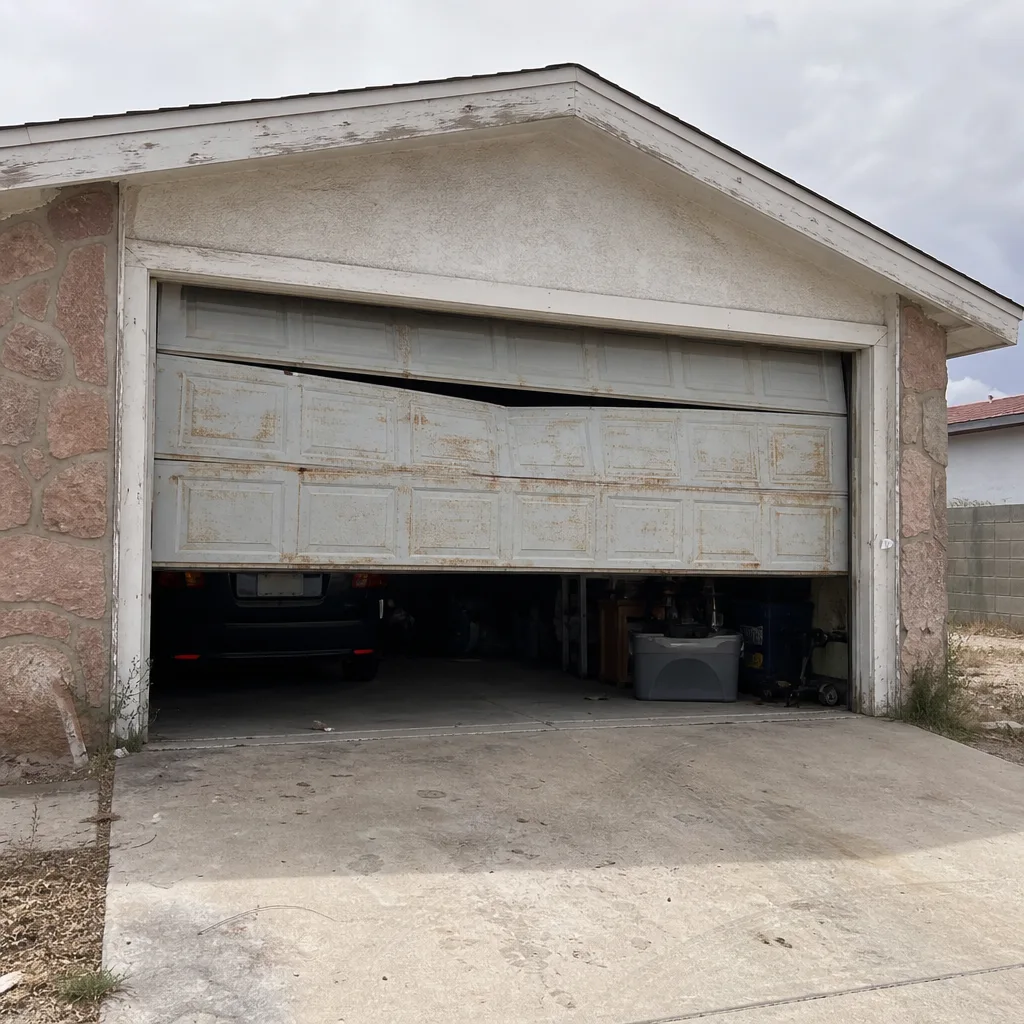 Before
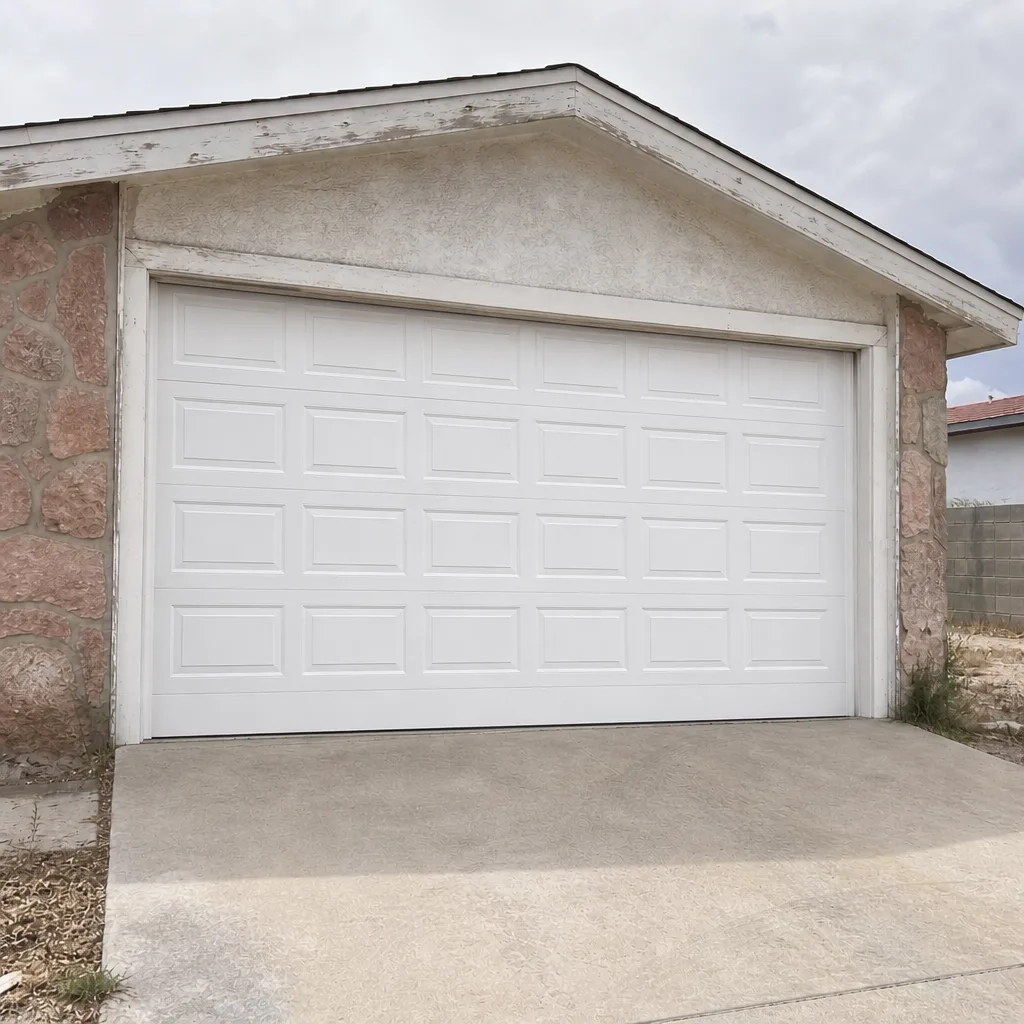 After
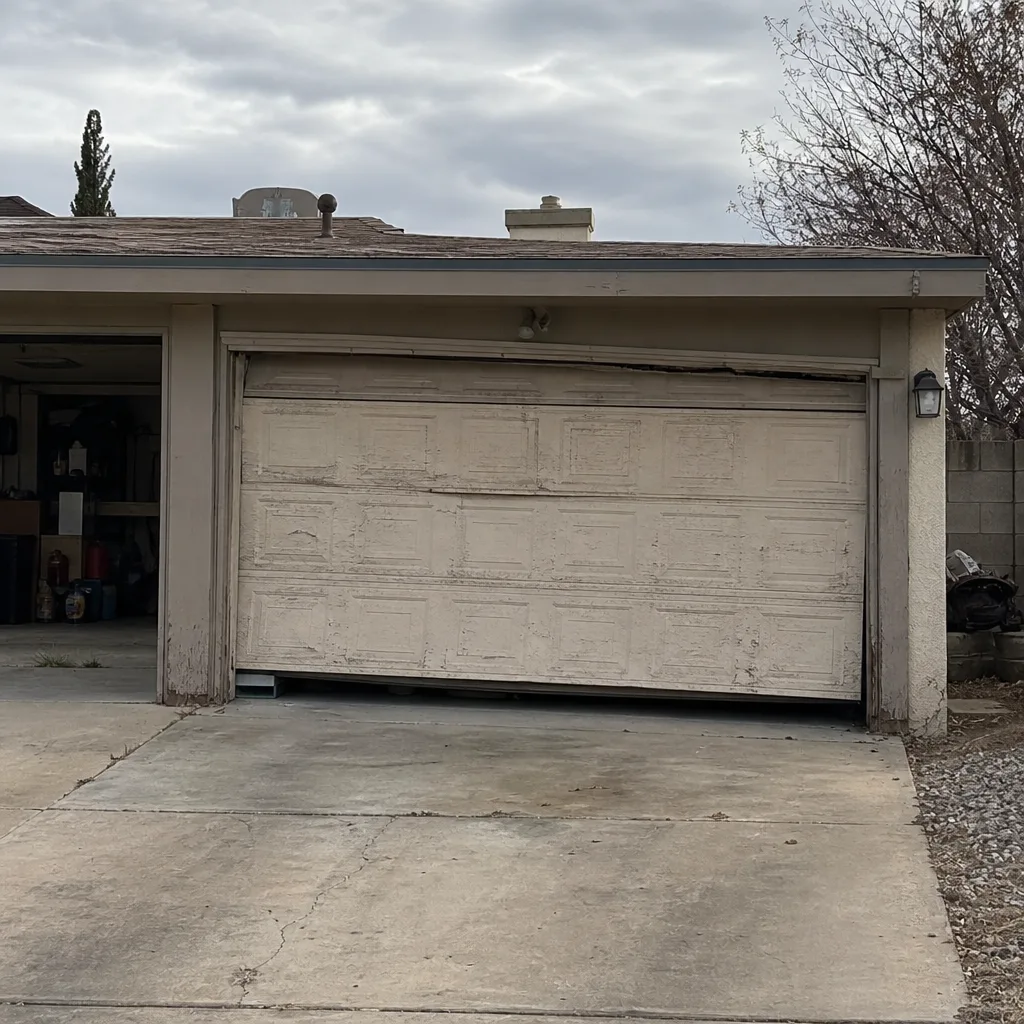 Before
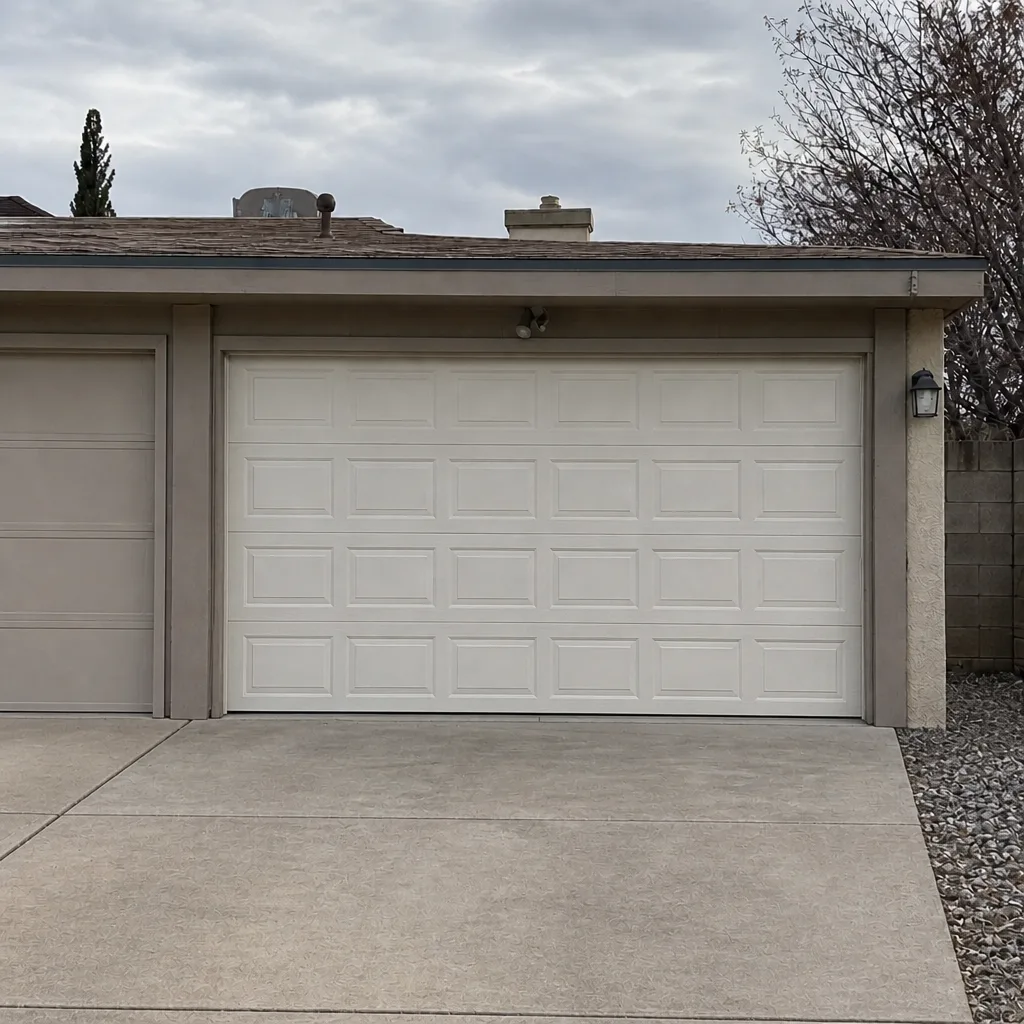 After
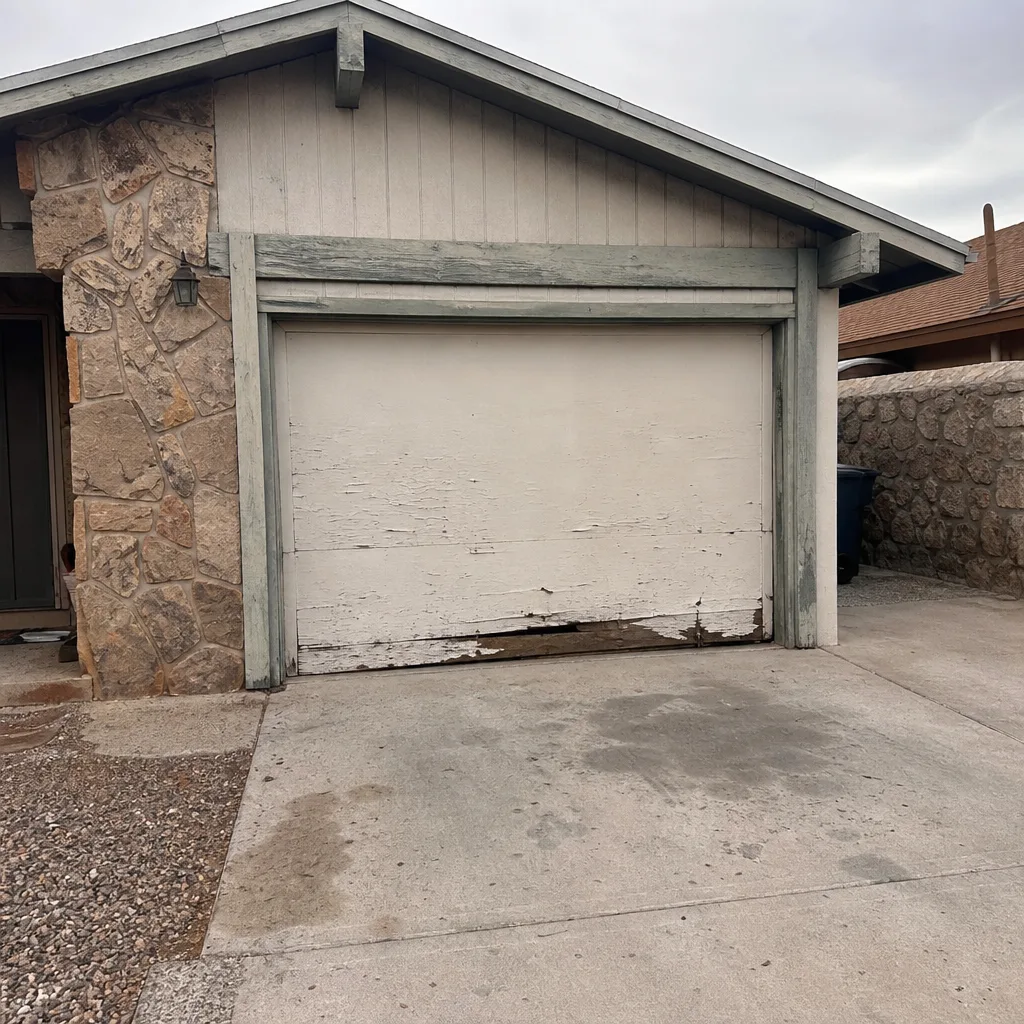 Before
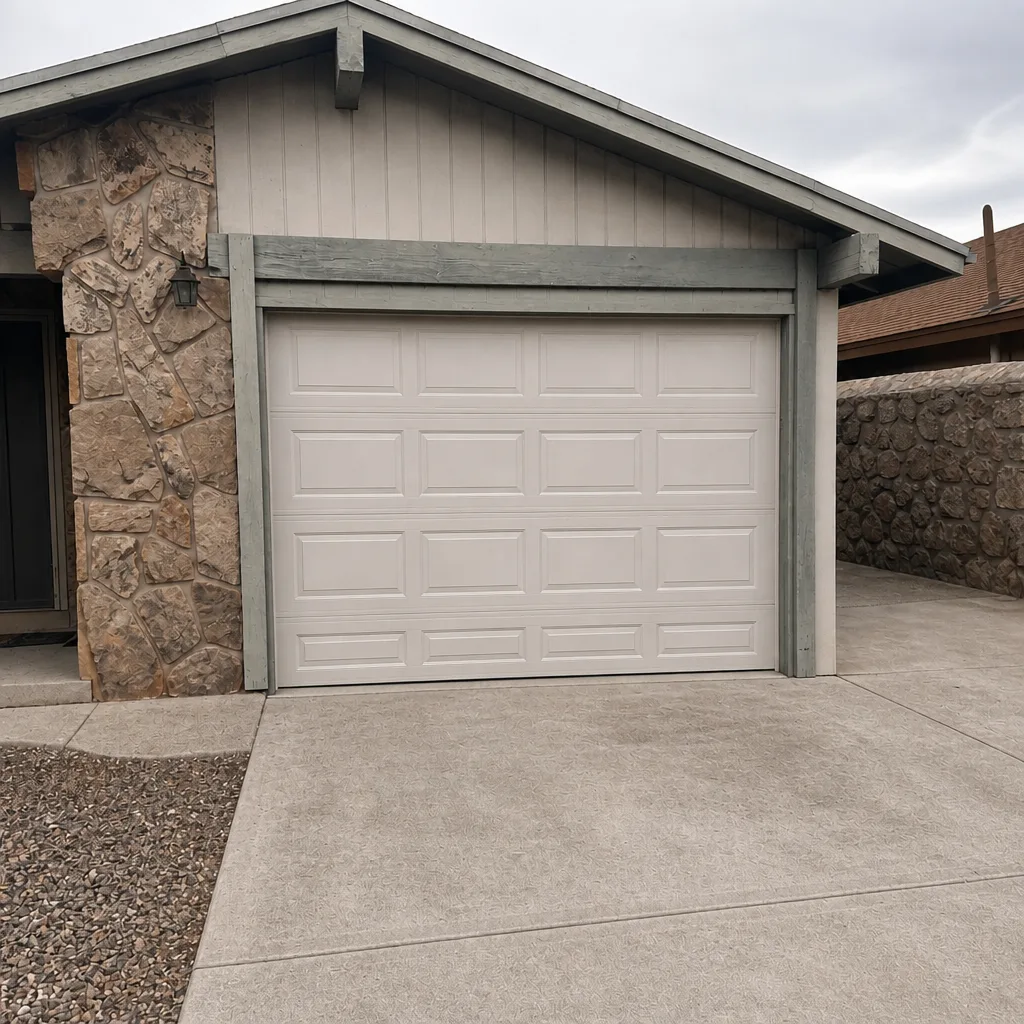 After
When to Call a Professional
Call a technician when the door won’t balance by hand, when the torsion springs show gaps or visible stretching, when a cable looks frayed, when the door reverses for no clear reason, or when the opener runs but the door doesn’t move. Those are signs of a component failure that seasonal maintenance won’t solve. Same-day repair is available for most of these, and we’ll diagnose the door and the opener together in one visit rather than splitting the work between two trades. El Paso Garage Door Service offers free estimates in El Paso, and the written quote sets the price before any work starts. Call (833) 345-7126. We answer 24/7. Fast dispatch from 7am to 7pm, Sunday through Friday.
Frequently Asked Questions
Twice a year is the right cadence here: once in March or April before the UV and heat window, and once in October or November before the cold snaps. Add a weekly track wipe during the March-to-May wind season and an annual professional torsion spring inspection in spring, and you’ve covered the full El Paso calendar. Call (833) 345-7126 for an exact quote – estimates are free.
Heat causes the metal to expand, which changes spring tension and makes the door heavier, and it also causes the opener’s thermal protection to shut the motor down when it overheats. If the door fails mid-afternoon and works fine in the morning, the opener is working harder than it should. A balance and force-setting check usually explains it. Call (833) 345-7126 to book a diagnostic – the estimate is free.
Yes, but not for snow or rain. Overnight lows below 20°F happen multiple times each winter here, and those cold snaps harden weather seals and contract door metal. A seal that sticks to a frosted threshold while the opener keeps pulling can wear the gear set within a few cycles. Condition the seals and reappoint lubricant in October. Call (833) 345-7126 for a pre-winter tune-up – the estimate is free.
Yes, for the hinges, rollers, and the spring itself, using a garage-door-rated lubricant rather than motor oil or WD-40. Wipe the tracks clean and dry instead of greasing them, since grease traps El Paso’s spring dust and turns abrasive. What you shouldn’t touch is the torsion spring adjustment or the cables. That part requires a professional. Call (833) 345-7126 if you’re unsure what’s safe to handle.
Yes, mainly for attached garages that share a wall with living space. An insulated door resists radiant heat transfer in the afternoon, when a west-facing garage absorbs the most sun. The difference in how warm the adjacent rooms feel can be noticeable, especially in the hours just before sunset. The right R-value depends on the home’s orientation and how the garage is used. Call (833) 345-7126 for a free measure and a written estimate on an insulated replacement.
No. We quote and agree the price before any work starts, and the written estimate sets the final price. The free estimate includes a full diagnostic of the door and the opener so we’re quoting the real job, not guessing over the phone. Call (833) 345-7126 to schedule – the estimate is free, and we answer 24/7.
The Bottom Line
El Paso doesn’t ask you to winterize for snow. It asks you to prepare for two real windows: intense UV and heat from April through September, and sharp cold snaps from November through February. The care routine is straightforward: clean the tracks weekly through wind season, inspect seals and lubrication before both seasonal transitions, recheck spring tension and opener sensitivity at each turn, and schedule a professional torsion spring inspection once a year in spring. Do that, and most failures get caught before they strand you. For everything beyond the basics, including garage door repair and full replacements, garage door opener repair, or a new garage door replacement measured and ordered for your El Paso home, there’s help a phone call away.
Call (833) 345-7126 for a free estimate. We answer 24/7. Fast dispatch from 7am to 7pm, Sunday through Friday. Our technicians have up to 8 years of experience working on LiftMaster, Chamberlain, Genie, Clopay, Amarr, Wayne Dalton, Craftsman, and Raynor systems throughout El Paso, and we’ll diagnose the door and the opener together so you get one answer and one price.
Written by the team at El Paso Garage Door Service.