
Last updated November 15, 2026
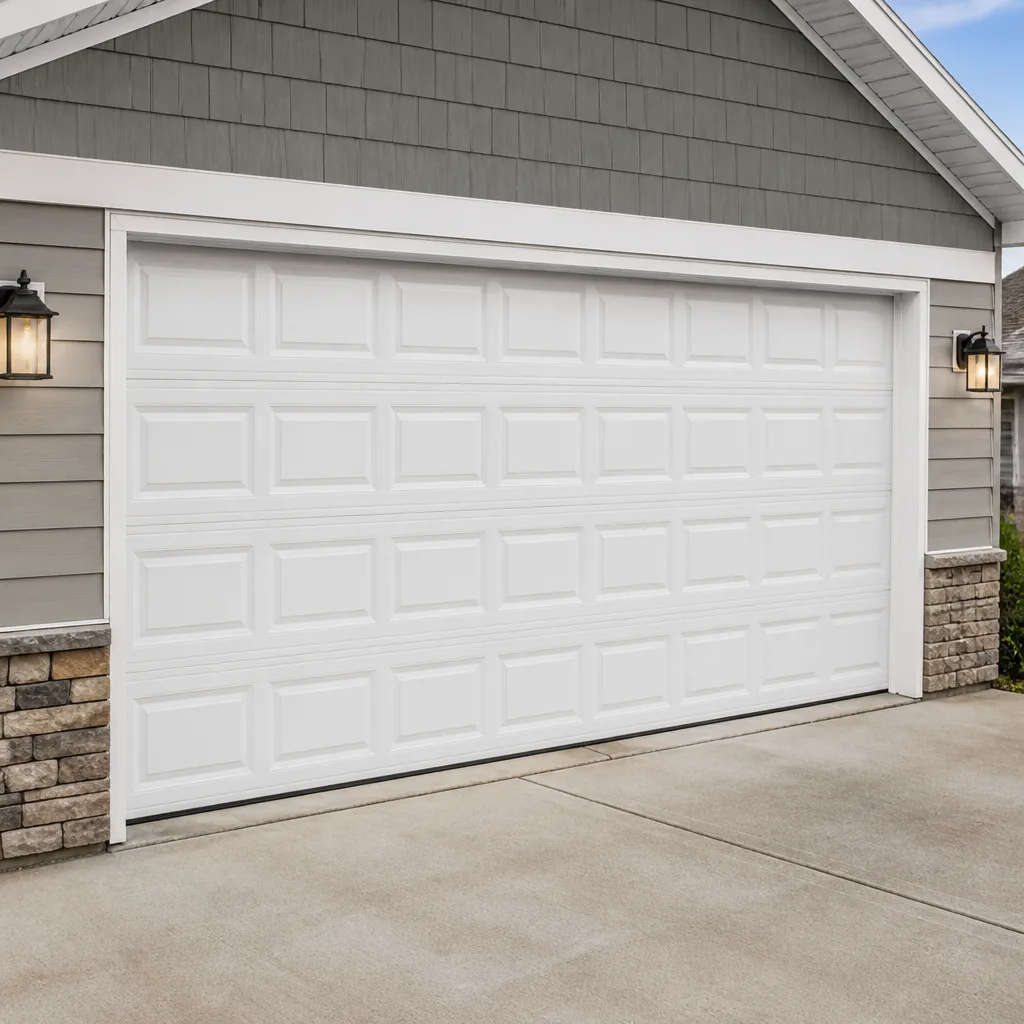 Raised-panel steel
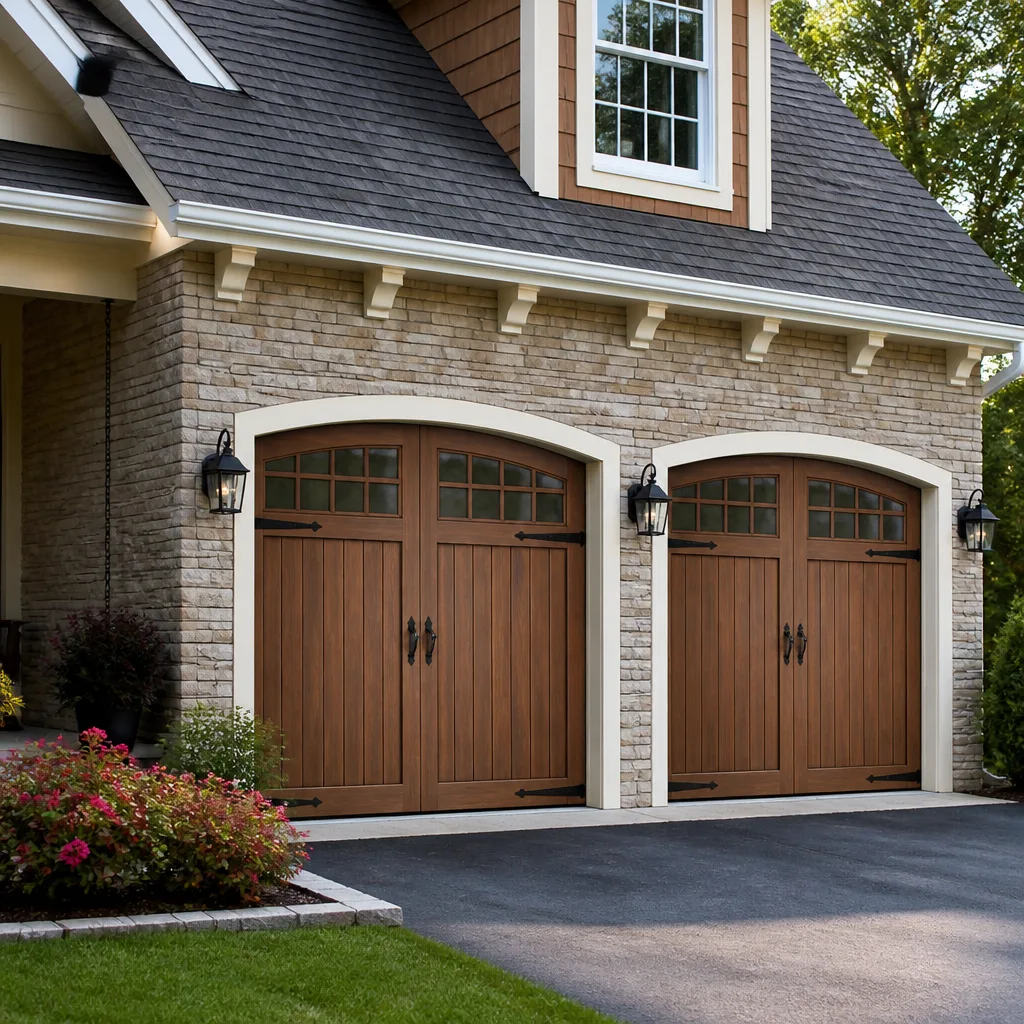 Carriage house
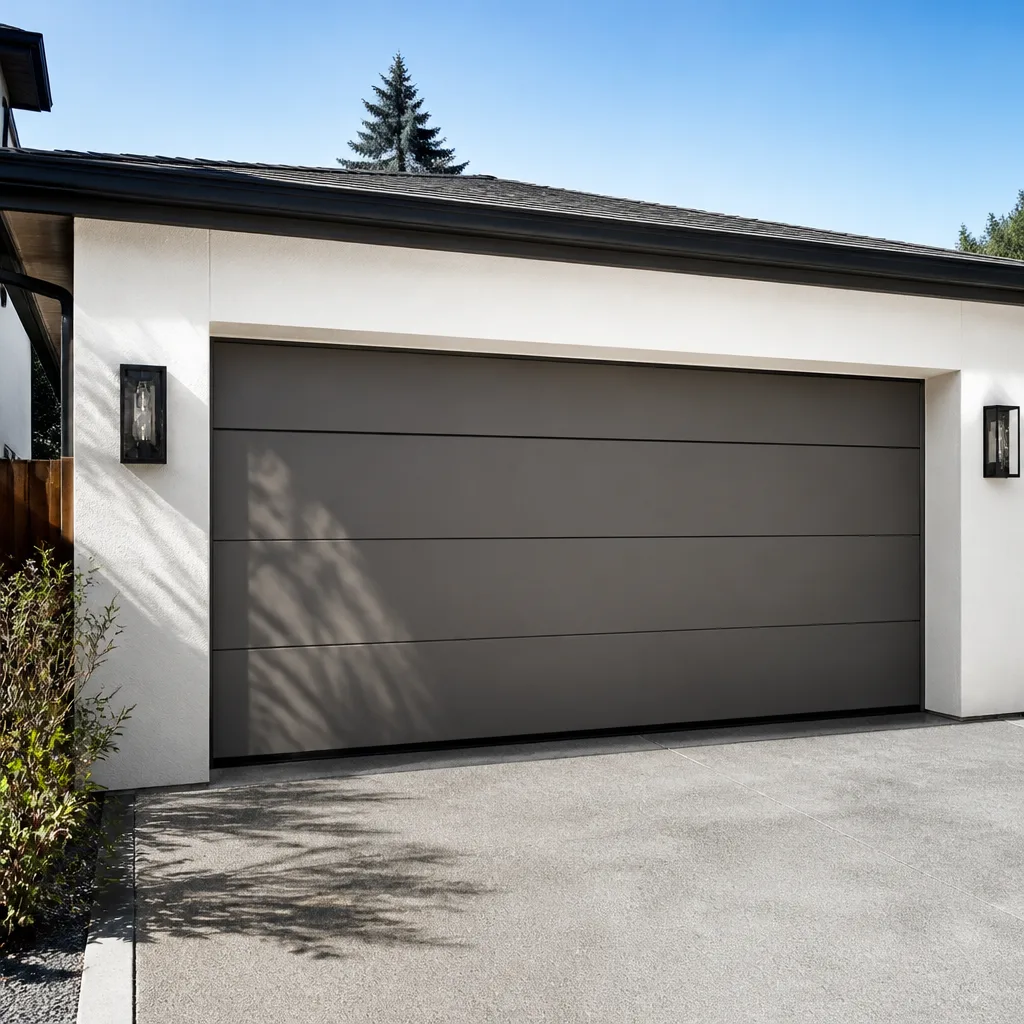 Modern flush
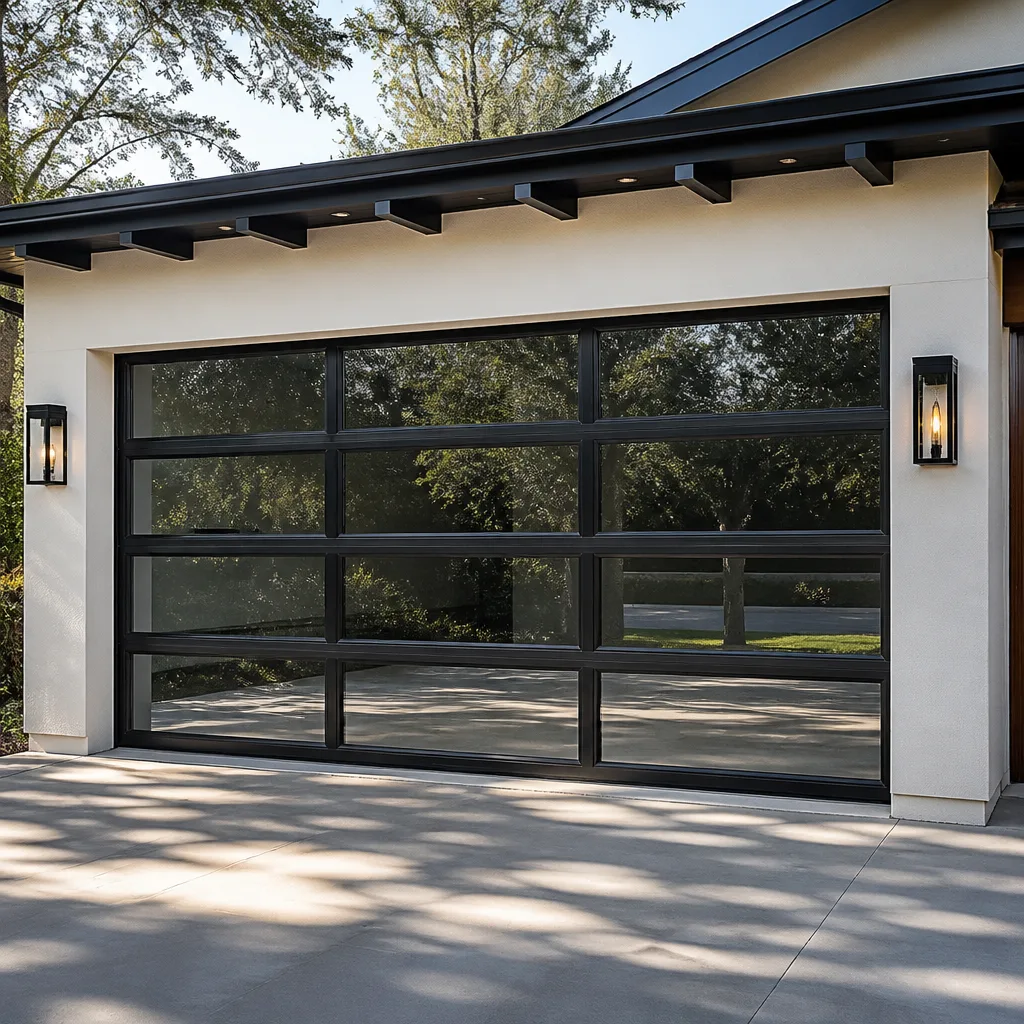 Full-view glass
 LiftMaster openers
 Chamberlain openers
Full 25-point door and opener safety check with every visit - springs, cables, rollers, tracks, and your LiftMaster or Chamberlain opener included
You get a price before we start. It does not change when the pro arrives.
Get your free estimateGarage Door Repair Troubleshooting in El Paso: Common Problems and How to Fix Them
Most garage door troubleshooting advice floating around online was written for mild climates, and that’s the problem. In El Paso, three forces do the damage: heat expansion, desert dust, and deferred lubrication. A door that worked perfectly in March can bind, groan, or drop by August because the sun has been baking it at over 100 degrees for weeks. Dust from the Chihuahuan Desert works its way into every hinge, roller, and logic board. And most homeowners don’t lubricate anything until something breaks. This guide diagnoses by symptom, not by part, so you fix the actual failure instead of the most visible one. We’ll walk you through what each symptom means, what’s safe to handle yourself, and what belongs in a technician’s hands.
Quick Answer
If your garage door won’t open, opens partially, reverses, or grinds, the cause is almost always one of five things: a misaligned safety sensor, a worn roller or hinge, a torsion spring losing tension in the heat, a clogged opener logic board from dust, or a snapped cable. Sensor alignment, lubrication, and limit switch adjustment are safe to try yourself. Springs, cables, and anything under tension are not. Call a technician for those. In El Paso specifically, heat and dust accelerate every one of these failure modes, so the fix usually involves addressing both the part and the conditions that wore it out.
Styles & brands we work with
- Raised-panel steel
- Carriage house
- Modern flush
- Full-view glass
- LiftMaster openers
- Chamberlain openers
Table of Contents
- Symptom-First Diagnosis: What Your Door Is Telling You
- How El Paso Heat Affects Springs, Tracks, and Seals
- Dust Infiltration: Why Your Opener Acts Up in the Desert
- Fixes That Are Safe to Do Yourself (and Fixes That Aren’t)
- Adjustment vs. Replacement: The Visual Tests That Tell You
- Brand Differences That Matter: Chamberlain, LiftMaster, Genie, Clopay
- Common Mistakes to Avoid
- When to Call a Professional
Symptom-First Diagnosis: What Your Door Is Telling You
The fastest way to solve a garage door problem is to stop looking at the part you can see and start listening to the symptom. A grinding noise and a door that won’t budge sound like two different problems, but both can trace back to the same dry hinge or the same tired spring. Match the symptom to the likely cause below before you touch anything.
Door won’t open at all, opener hums but nothing moves. In El Paso this usually means one of two things. Either the logic board has accumulated dust and is failing to send the run signal, or the torsion spring has lost enough tension that the opener can’t lift the weight. Check the opener first; if the light comes on and you hear a hum with no movement, the opener is trying and the door is stuck. That points to the spring or the door binding in its tracks.
Door opens partially and stops. A door that reverses or stalls halfway is almost always hitting a limit switch problem or a physical obstruction. On Chamberlain and LiftMaster openers, the travel limits can drift over time, especially with temperature swings that change how much drag the door creates. Rollers that have swollen in the heat or tracks that have warped inward will also stop a door mid-travel.
Door reverses immediately after touching the floor. This is a sensor or force adjustment issue. The safety sensors may be misaligned, or the opener’s force limit (the amount of resistance it will push through before reversing) is set too low for the drag your door now has. Dust on the sensor lenses is a common cause in El Paso, and it’s a two-minute fix.
Grinding, squealing, or scraping. Dry metal on metal. Hinges, rollers, and the torsion tube all need lubrication, and in desert conditions they need it more often than the manufacturer’s manual suggests. A loud grind that gets worse over weeks is usually a seized roller whose bearing has packed with the fine grit that blows around all year.
Opener runs but the door doesn’t move. If you can hear the motor running and see the chain or belt moving but the door stays put, the trolley is disconnected (often the emergency release was pulled and never re-engaged) or the drive gear inside the opener has stripped. Stripped gears are common on older Genie and Craftsman units after years of heat stress.
- Hums, no movement: spring tension lost or door binding
- Partial open: limit switch drift or track warping
- Reverses at floor: sensor misalignment or force set too low
- Grinding: dry or seized rollers and hinges
- Motor runs, door still: disconnected trolley or stripped drive gear
Everything on that list is a starting point, not a verdict. The next sections go deeper into the two El Paso-specific causes that most guides skip entirely: heat and dust.
How El Paso Heat Affects Springs, Tracks, and Seals
El Paso averages 297 sunny days a year, and your garage door faces most of them. That’s not a cosmetic detail; it changes how the whole system wears. Metal expands, springs lose tension, seals crack, and rubber parts dry out, all faster here than in climates with shorter summers and milder afternoons. A torsion spring that felt tight and responsive in March can develop a noticeable sag by August, and the door will start to feel heavy when you lift it by hand.
Springs. Torsion springs are engineered to a specific tension. Heat cycles stress the wire, and a spring that has cycled thousands of times in a hot garage can lose its stored energy or snap outright. A snapping torsion spring is loud and unmistakable, and it takes the door out of service immediately. You should never try to test a spring by winding or unwinding it yourself. That’s one of the genuinely dangerous parts of this trade. If you suspect spring trouble, look for a gap in the coil (a sign of a snapped spring) or a door that feels drastically heavier than it used to, then call for service.
Tracks. Steel tracks expand in the heat, and a track that was dead straight in winter can develop a slight bow by mid-summer. When a track bows inward, rollers bind, the door drags, and the opener has to work harder to lift it. That extra load accelerates wear on everything else. A visual check down the length of each track from floor to header will show obvious bends.
Weather seals and bottom seals. The rubber weather stripping along the sides and bottom of the door dries and cracks under sustained UV exposure. A cracked bottom seal lets dust and pests in and can also create a gap the opener reads as an obstruction, causing the door to reverse. If your seal is cracked, brittle, or missing chunks, replacing it is a straightforward fix and one of the cheapest things you can do to protect the door.
Wood and paint. If you have a wood door, the heat pulls moisture out of the panel seams, causing warping and hairline cracks. Paint fades and peels faster on south-facing doors. Repainting every few years is normal maintenance here, not a sign of a failing door.
The takeaway: in El Paso, “it worked fine last spring” is not evidence that it will work fine next summer. The heat changes the physical facts of the door every year.
Dust Infiltration: Why Your Opener Acts Up in the Desert
Desert dust does two different kinds of damage to a garage door system, and they show up in two different ways. Mechanical parts (rollers, hinges, tracks) collect dust that mixes with old lubricant to form a grinding paste. Electronic parts (the opener’s logic board, sensors, and remote receiver) collect fine dust that blocks signals and shorts circuits. Knowing which one you’re dealing with saves you from replacing a part you didn’t need to touch.
Logic boards. On Chamberlain and LiftMaster openers, the logic board sits in a housing on the motor head. Fine dust, especially the powdery dust that blows in from the surrounding desert, finds its way into that housing through the vents. Over months, it settles on the board and the connections. The symptom usually isn’t a dead opener; it’s a flaky one. The remote works sometimes and not others. The wall button misfires. The door reverses for no reason. Some homeowners replace their remotes first, which never fixes the problem because the remote wasn’t the issue.
The fix for a dusty board is careful cleaning or, if the board is genuinely damaged, replacement. We don’t recommend opening the opener housing yourself. The capacitors on those boards hold a charge, and the components are close together. That’s an opener technician’s job, and it’s exactly the kind of repair that a garage door opener repair visit handles in one trip.
Mechanical dust damage. Rollers, hinges, and the torsion tube all collect dust, and when that dust mixes with old grease it turns into a sticky grit that accelerates wear. Every roller has a bearing; when grit works into the bearing, the roller stops rolling and starts skidding. Skidding rollers are the source of most grinding noises on El Paso doors. Lubrication with a proper garage door lubricant (not WD-40) flushes out some of the grit and restores smooth travel, but once a bearing is seized, lubrication won’t save it. Replacement is the fix.
Safety sensors. The photo-eye sensors near the floor are vulnerable to dust accumulation on the lenses. A quick wipe with a soft cloth fixes most sensor problems. If the door reverses at the floor and the lenses look clean, check the alignment: the sending and receiving eyes need to point directly at each other. Even a slight knock from a broom or a stored item can throw them off.
Photo-eye brackets. The brackets that hold the sensors in place are often mounted to the track or the wall. Dust doesn’t damage the brackets, but vibration from a door that travels roughly can work them loose. If your sensors won’t stay aligned, check that the brackets are tight before you decide the sensors themselves are failing.
Fixes That Are Safe to Do Yourself (and Fixes That Aren’t)
Some garage door problems are genuinely within reach for a careful homeowner, and some are not. The line is not about difficulty. It’s about stored energy and height. Anything involving a torsion spring, a cable under tension, or work on a ladder above head height carries real injury risk. Everything else is fair game if you’re methodical.
Safe to do yourself:
- Lubrication. Apply a garage door lubricant to hinges, rollers, and the torsion tube once or twice a year. Wipe off old grit first.
- Sensor cleaning and alignment. Wipe the photo-eye lenses and check that the two eyes are pointed at each other. Adjust the brackets gently if they’ve drifted.
- Track cleaning. Wipe the inside of the tracks with a damp cloth to remove dust and debris. Don’t lubricate the tracks themselves; that attracts more dust.
- Weather seal replacement. Bottom seals and side seals slide out and in without any tension on the door. This is a comfortable DIY job.
- Visual inspection. Look for bent tracks, cracked seals, worn rollers, and gaps in the torsion spring. No tools required.
- Checking the balance. Disconnect the opener (pull the release), lift the door halfway by hand, and let go. A properly balanced door stays put. One that drops fast or rises on its own needs a technician.
Not safe to do yourself:
- Torsion spring replacement. These springs hold enough force to kill. Never attempt to wind, unwind, or replace one without proper training, tools, and winding bars.
- Cable replacement. The lift cables are under tension and can whip free with serious force. Leave this to a technician.
- Cable drum work. The drums at the ends of the torsion tube control cable tension. If you don’t know exactly what you’re doing, they can slip and let the door drop.
- Opener logic board repair. Capacitors hold charge. Dust cleaning is one thing; poking around inside a board is another.
- Hinge replacement on a tensioned door. Replacing hinges that sit under load requires supporting the door first. If you’re not sure how, don’t.
If your visual inspection shows a snapped spring, a frayed cable, or a track that has pulled loose from the wall, stop there. Those are professional repairs, and trying to force a door in that condition can make things worse. Our garage door repair service handles exactly these situations, and we’ll tell you plainly whether the part needs replacing or just adjusting.
Adjustment vs. Replacement: The Visual Tests That Tell You
Homeowners ask us all the time whether a worn part can be adjusted or needs to be replaced. In many cases it can be adjusted, and a technician who tells you to replace everything is charging you for a problem that doesn’t exist. Here’s how to look at the three most commonly worn parts and decide.
Rollers. Rollers should be smooth and round. Look for flat spots, cracks in the nylon or steel wheel, or a bearing that doesn’t spin freely when you nudge it with a finger (door disconnected and stationary, obviously). A roller that spins smoothly with no play is fine. A roller with flat spots, visible cracks, or a bearing that grinds needs replacement, not adjustment. Rollers are cheap and replacing them in a set when one fails is usually the right call.
Cables. Look for fraying, kinks, or broken strands. A cable that’s a little loose can sometimes be re-tensioned, but if you can see individual strands pulled loose or breaks anywhere along its length, it needs replacement. Don’t try to measure cable tension by hand. A cable that looks fine but feels loose is a technician’s call.
Bottom seal. Run your hand along the bottom seal (door closed). It should be flexible and unbroken. If it’s cracked, hard, or missing chunks, replace it. A seal doesn’t get adjusted; it gets replaced.
Hinges. Hinges don’t usually wear out on their own in El Paso; they sieze from dried lubricant. If the hinge moves freely after a clean-and-lube, it’s fine. If the pin is loose or the hinge is visibly bent, replace it.
Tracks. A track with a slight dent or bow can sometimes be gently straightened. A track that’s badly bent, cracked at the mounting points, or pulling away from the wall needs replacement. Track repairs done wrong will cause the door to jump the track repeatedly.
Opener gears. If you hear the motor running but the door doesn’t move and the chain or belt is intact, the drive gear inside the opener may be stripped. A stripped gear usually means replacing the gear set or the opener. It’s not adjustable.
- Inspect the part with the door closed and the opener disconnected.
- Clean away dust and old grease so you can see the actual condition.
- Test movement by hand where the part is safe to touch (rollers, hinges, seal).
- Look for cracks, flat spots, frayed strands, and visible bends.
- If it looks worn or damaged, replace it. If it just moves stiffly, clean and lubricate first.
- Check again after a week. If the stiffness returns, the part is worn through.
Brand Differences That Matter: Chamberlain, LiftMaster, Genie, Clopay
Different brands fail in slightly different ways, and knowing which system is on your door shortens the diagnostic work. Chamberlain and LiftMaster (which share underlying engineering) have well-documented logic board vulnerabilities to dust and heat. Their drive gears hold up well, but the travel limits drift after season changes. Genie openers have a reputation for stripping drive gears after long service, and their older chain-drive units can develop a rattling noise that comes from a worn trolley rather than a failing motor. Craftsman openers (many built on the same platform as Chamberlain) share the same dust-sensitivity pattern.
On the door side, Clopay and Amarr steel doors handle heat well, but their bottom seals crack faster under sustained UV exposure. Wayne Dalton and Raynor doors may use proprietary spring systems or panel profiles, which matters if you need a part. A generic panel won’t fit a proprietary profile, and matching the right part is easier when the technician already knows the brand.
Our technicians work across eight major brands: LiftMaster, Chamberlain, Genie, Clopay, Amarr, Wayne Dalton, Craftsman, and Raynor. That covers the overwhelming majority of doors and openers in El Paso homes. Door and opener get handled together, so you’re not passing the problem to a second contractor when the fix involves both. Our technicians have up to 8 years of experience across these systems, and we diagnose what’s actually wrong before recommending a fix.
If you’ve been told your brand needs a specialty shop, that’s not usually true. We work on your brand, not a brand we prefer.
See the difference
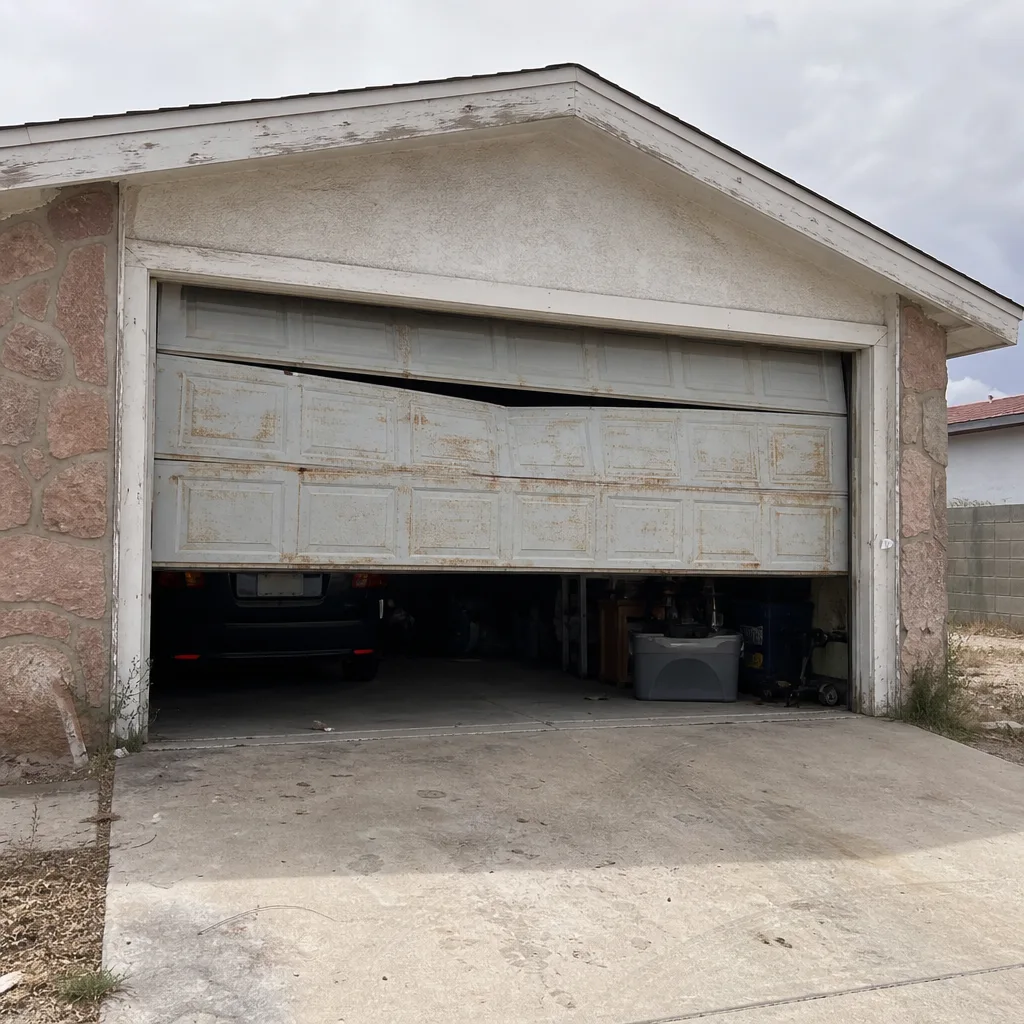 Before
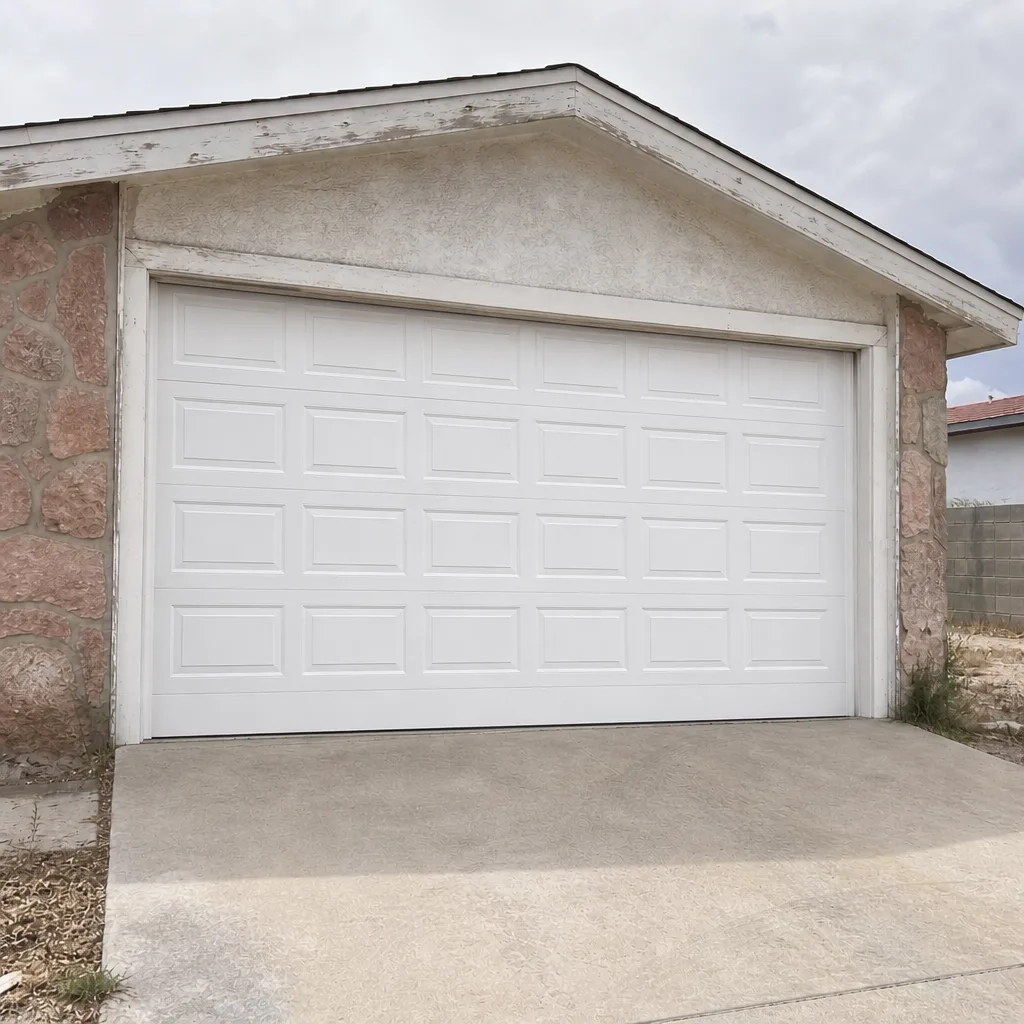 After
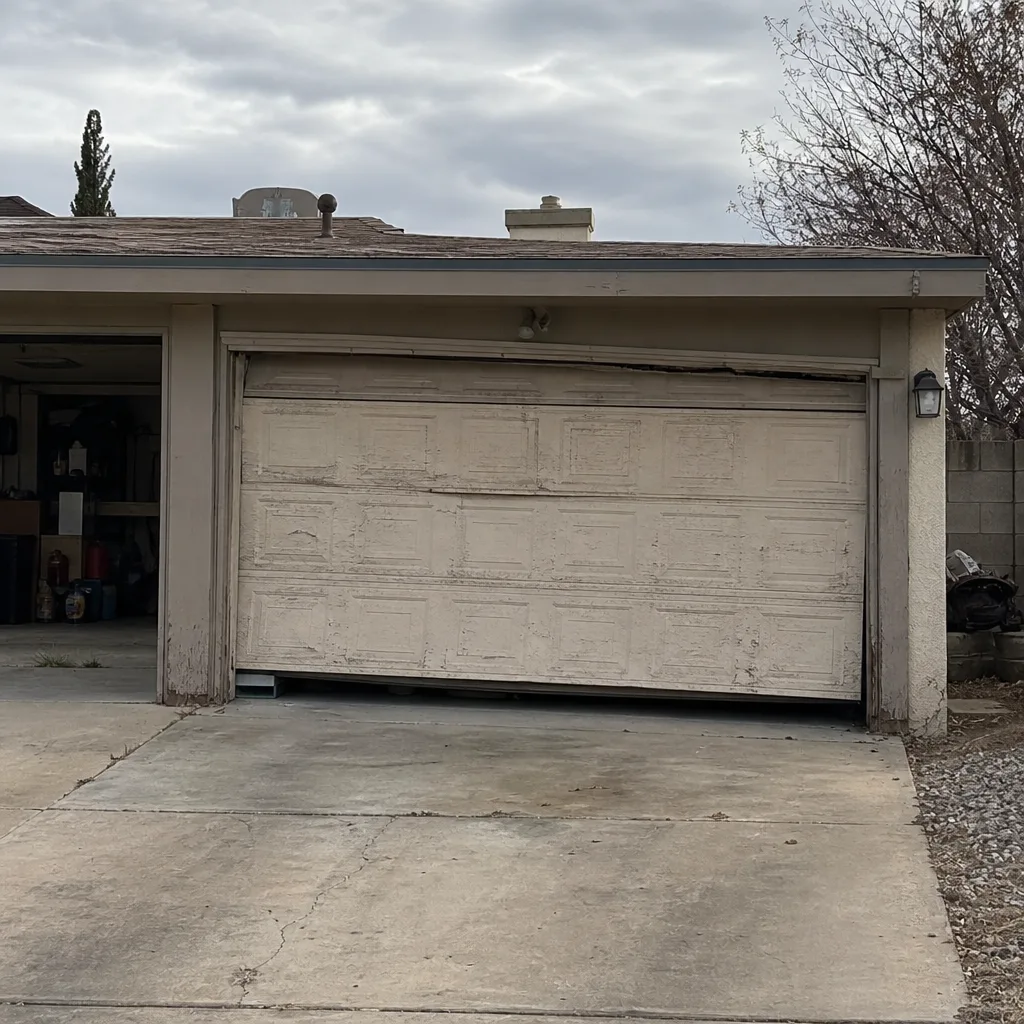 Before
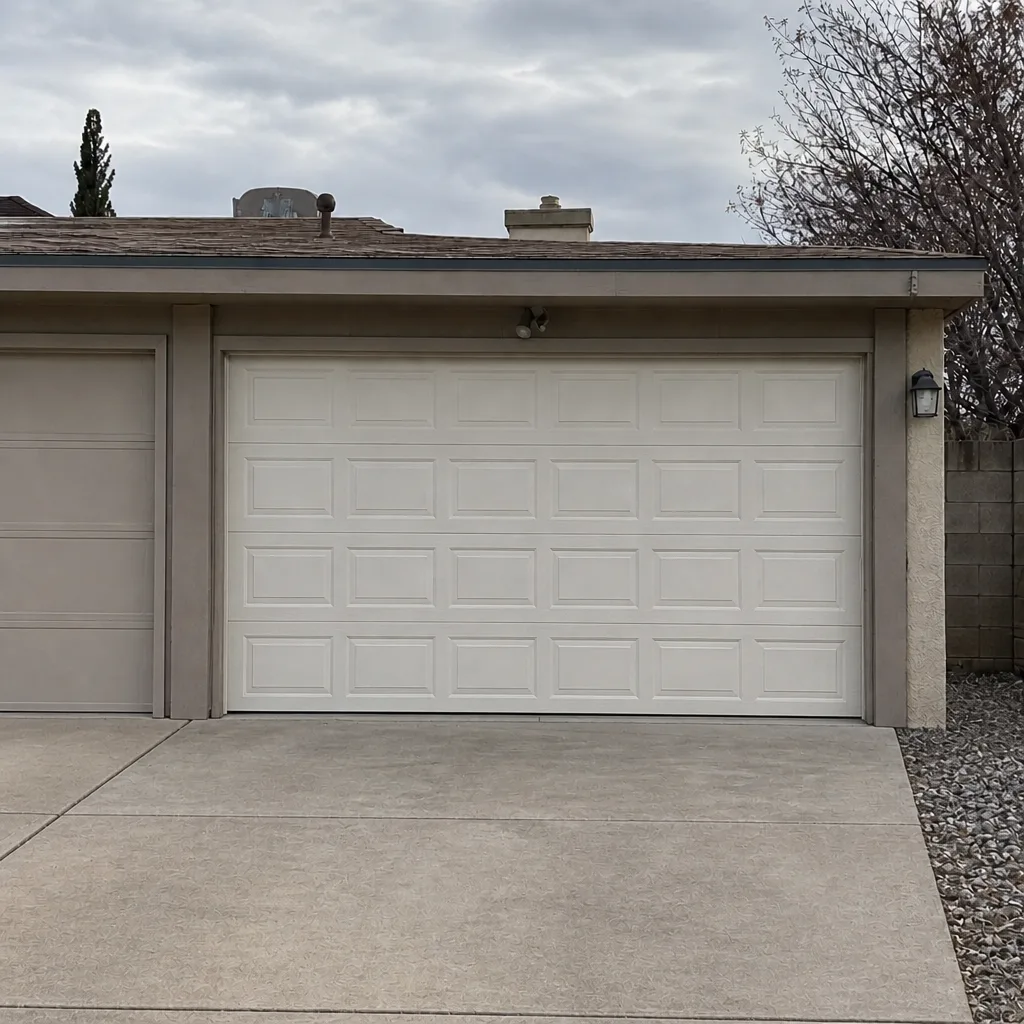 After
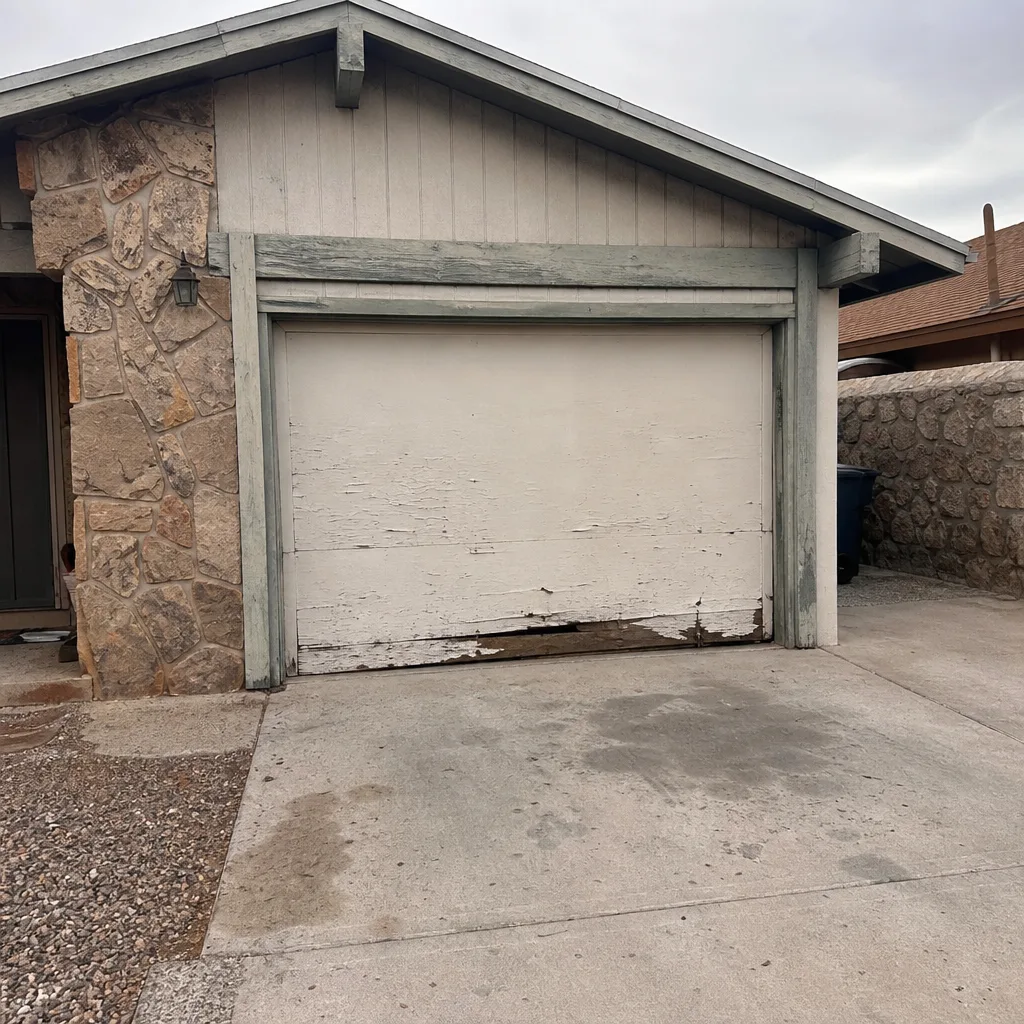 Before
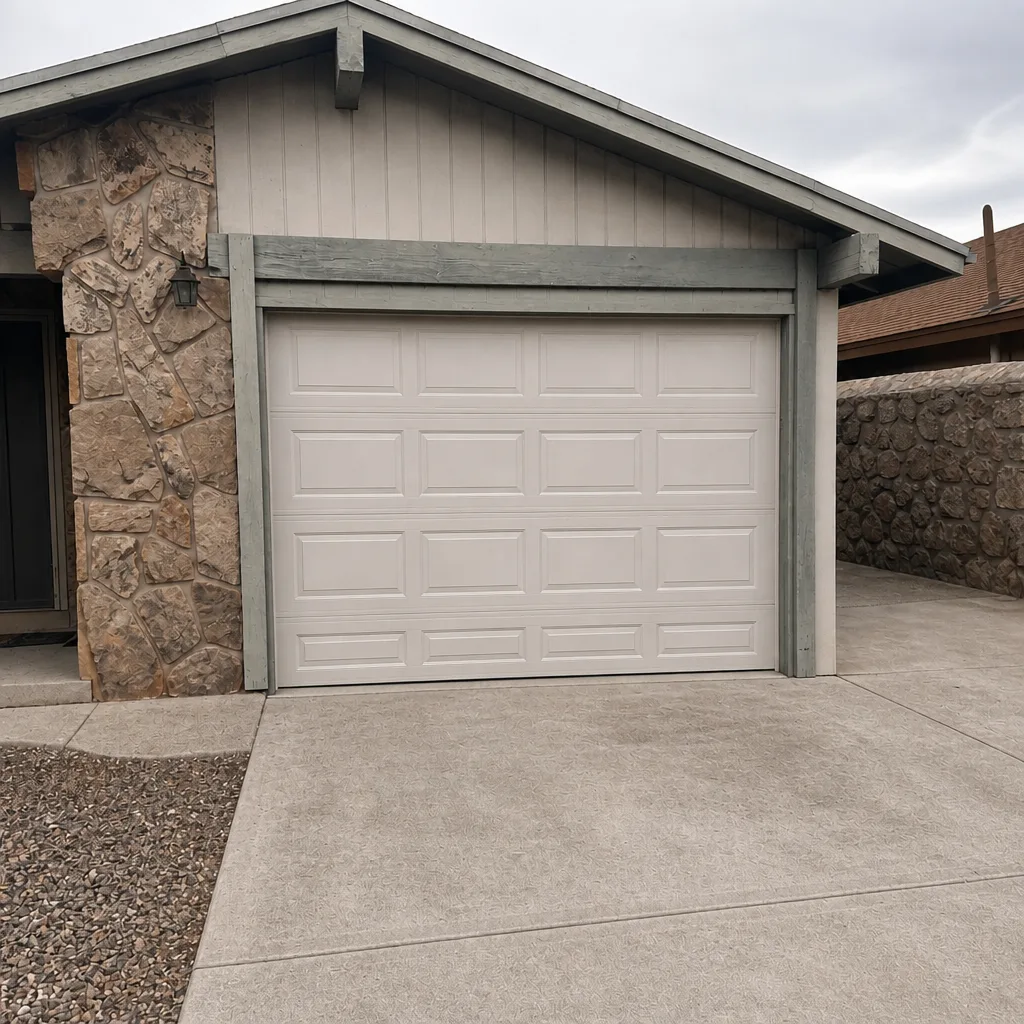 After
Common Mistakes to Avoid
- Lubricating the tracks. Tracks should stay dry. Lubricant attracts dust, dust becomes grit, and grit accelerates wear on the rollers. Lubricate the hinges, rollers, and torsion tube, never the tracks.
- Using WD-40 as a garage door lubricant. WD-40 is a penetrating spray, not a long-term lubricant. It evaporates and leaves the parts drier than before. Use a proper garage door lubricant rated for hinge and roller use.
- Forcing a stuck door open by hand. If the door won’t lift with reasonable resistance, something is broken. Forcing it can snap a cable or bend a track. Stop and inspect.
- Adjusting the opener’s force limit to fix a heavy door. Turning up the force setting to make a sagging door open works for a while, and then it burns out the opener and masks the real problem: the springs have lost tension. Fix the springs, then reset the force.
- Ignoring a small dent in the track. In El Paso’s heat, a small dent in a steel track grows into a bow that binds the rollers. Straighten it early.
- Replacing the opener when the door is the problem. If the door is binding in the tracks or the springs have lost tension, a new opener will fail too. Diagnose the door before you replace the opener.
- Skipping lubrication because the door “feels fine.” Lubrication is preventive. By the time the door feels rough, the parts have already worn. Twice a year is the rule here.
- Assuming dust on a sensor is a sensor failure. Wipe the lenses before you replace them. Most “sensor failures” in El Paso are just dust.
When to Call a Professional
Call a technician the moment you see a snapped spring, a frayed or broken cable, a track that has pulled away from the wall, a door that has come off its tracks, or an opener that runs but produces no movement after you’ve confirmed the trolley is engaged. Those are the situations where DIY attempts can cause injury or make the repair more expensive. Also call if your door is out of balance: if it won’t stay open at the halfway point when disconnected from the opener, the springs need attention. And call if a repair you attempted hasn’t fixed the problem after one try. Guessing at a second fix often costs more than a diagnosis would have.
El Paso Garage Door Service offers free estimates in El Paso, and we diagnose before recommending. Call (833) 345-7126. We answer 24/7. Fast dispatch from 7am to 7pm. Whether the problem is a worn roller or a broken spring, we’ll quote the repair and agree on the price with you before any work starts.
Frequently Asked Questions
El Paso heat changes the physical condition of the door and its parts. Torsion springs lose tension, steel tracks expand and bow, and rubber seals crack under sustained UV exposure. A spring that had adequate tension in March may not have enough by August. If your door gets harder to open every summer, that’s the pattern to look for, and it means the springs or their tension are the place to start.
Typical repair costs in the El Paso market depend on the part and the cause. Roller or hinge replacement is usually at the low end; torsion spring replacement and cable work sit higher because of the labor and safety requirements. We don’t quote a fixed price before diagnosing. Call (833) 345-7126 for an exact quote. Estimates are free, and the written estimate is the price you pay.
No. Torsion springs store enough energy to cause serious injury or death. Replacing one requires winding bars, correct technique, and a proper understanding of how much tension the door needs. If you see a snapped spring or a door that has suddenly become very heavy, call a technician rather than attempting the repair. This is one of the few garage door jobs that should never be a DIY project.
Fine desert dust infiltrates the logic board housing on Chamberlain and LiftMaster openers and settles on sensors and circuit connections. The result is an opener that behaves erratically: intermittent remote response, phantom reversals, or wall buttons that misfire. Cleaning the sensors on the outside is safe; opening the logic board housing to clean the inside is not. That repair belongs with an opener technician.
Yes. We handle both the mechanical door (panels, springs, tracks, rollers, seals) and the opener or operator in a single visit. You don’t need to hire one contractor for the door and another for the opener. Our technicians have up to 8 years of experience across LiftMaster, Chamberlain, Genie, Clopay, Amarr, Wayne Dalton, Craftsman, and Raynor, so most systems found in El Paso homes can be diagnosed and repaired by the same team.
Repair is almost always the answer unless the door has structural damage to the panels, the tracks are badly bent beyond straightening, or the opener is at the end of its service life. A single worn roller, a cracked seal, a misaligned sensor, or a tired spring is a repair. A door with multiple cracked panels, a bent torsion tube, or repeated track failures is a replacement conversation. We’ll tell you which one is right for what you already have, without steering you toward a new system you don’t need.
The Bottom Line
Most garage door failures in El Paso come down to heat, dust, or deferred lubrication, and knowing which one is doing the damage saves you both time and money. Diagnose by symptom before you touch anything: a door that opens partially is usually a limit or track issue, a door that reverses at the floor is usually a sensor, a door that grinds is usually dry or seized rollers. Confirm the failure with a visual inspection. Handle the safe fixes (lubrication, sensor cleaning, seal replacement) yourself, and hand the dangerous ones (springs, cables, logic boards) to a technician. When in doubt, call before you force anything. We work on the door and the opener together, across eight major brands, so there’s one accountable point of contact for the whole system. Call (833) 345-7126. We answer 24/7. Fast dispatch from 7am to 7pm.
If you’re not sure which part is causing your problem, El Paso Garage Door Service diagnoses the whole system before recommending any repair. Read more about how our garage door opener repair handles the electronic side, or learn about the local conditions that drive these failures on our El Paso page. Free estimates, upfront pricing, and the price is set by the written estimate before any work begins.
Written by the team at El Paso Garage Door Service.