
Last updated November 15, 2026
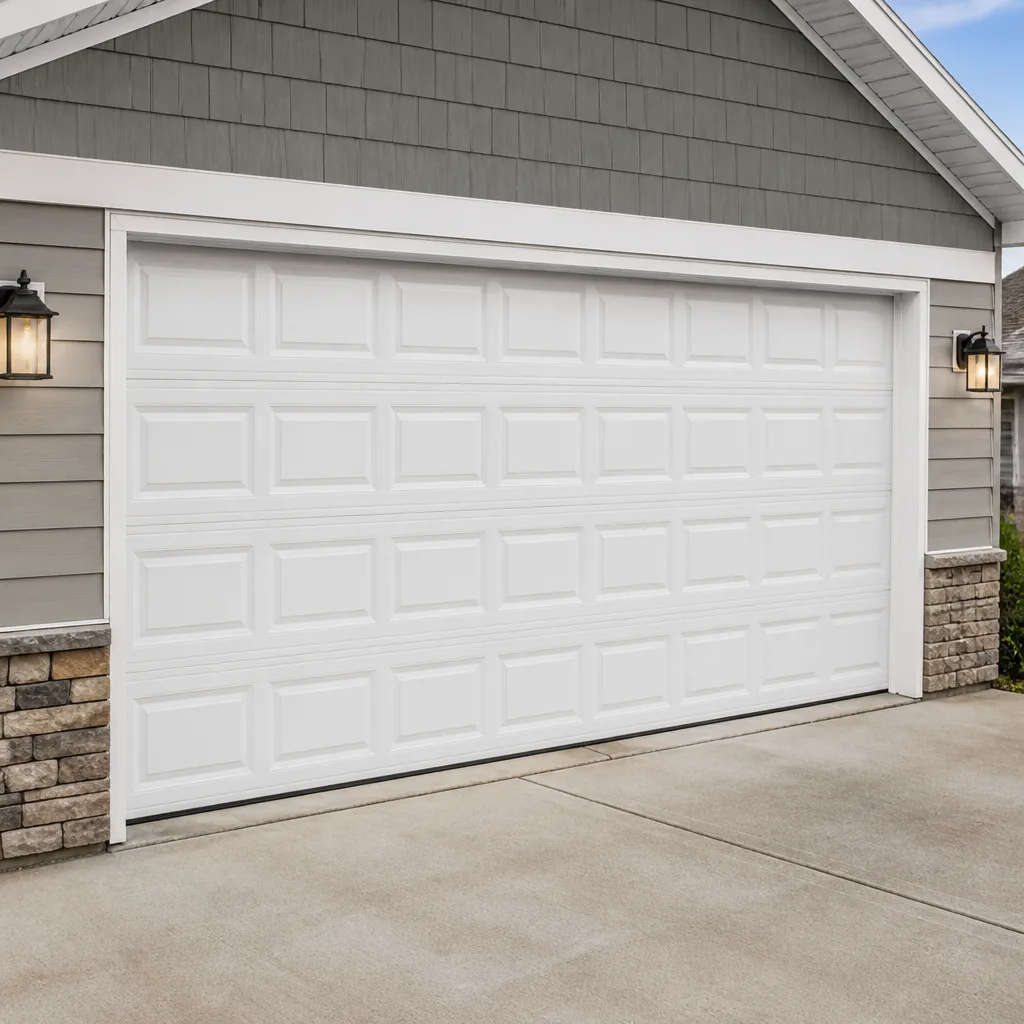 Raised-panel steel
 Carriage house
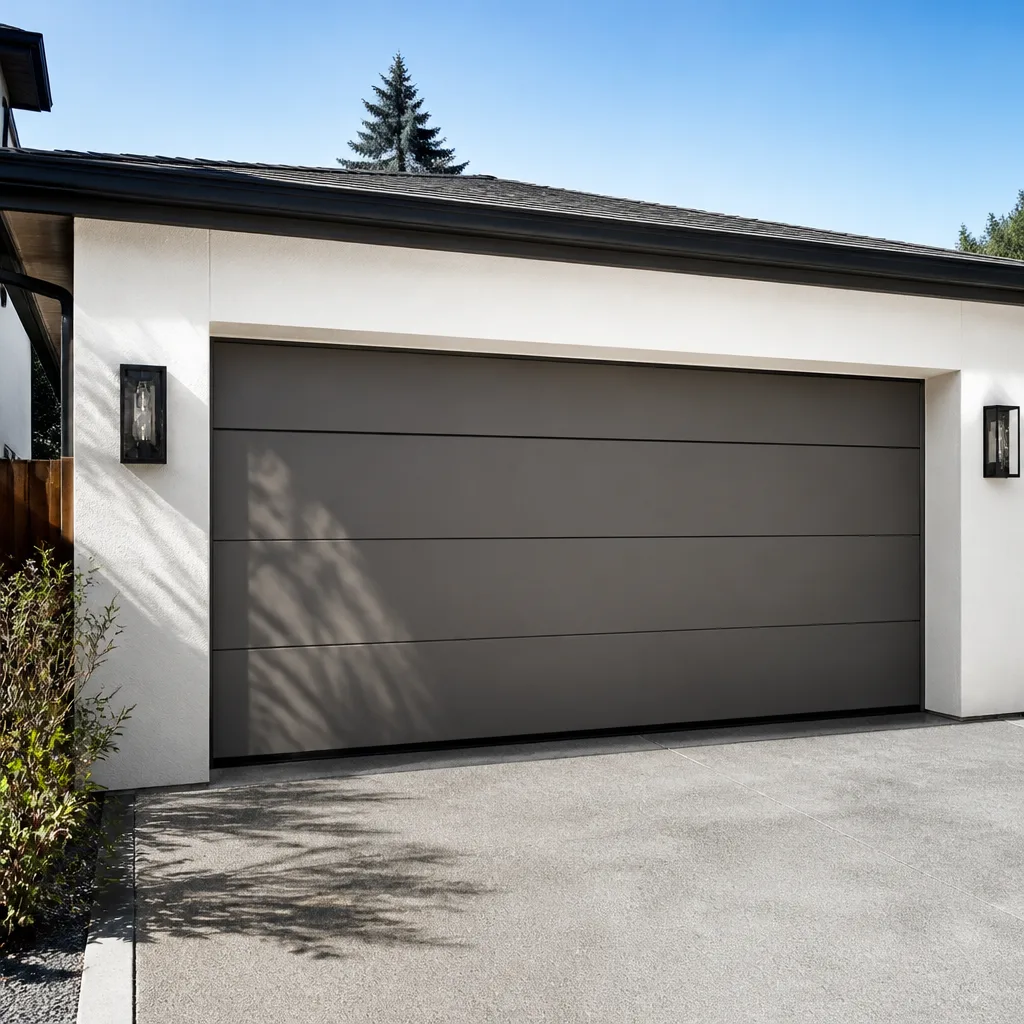 Modern flush
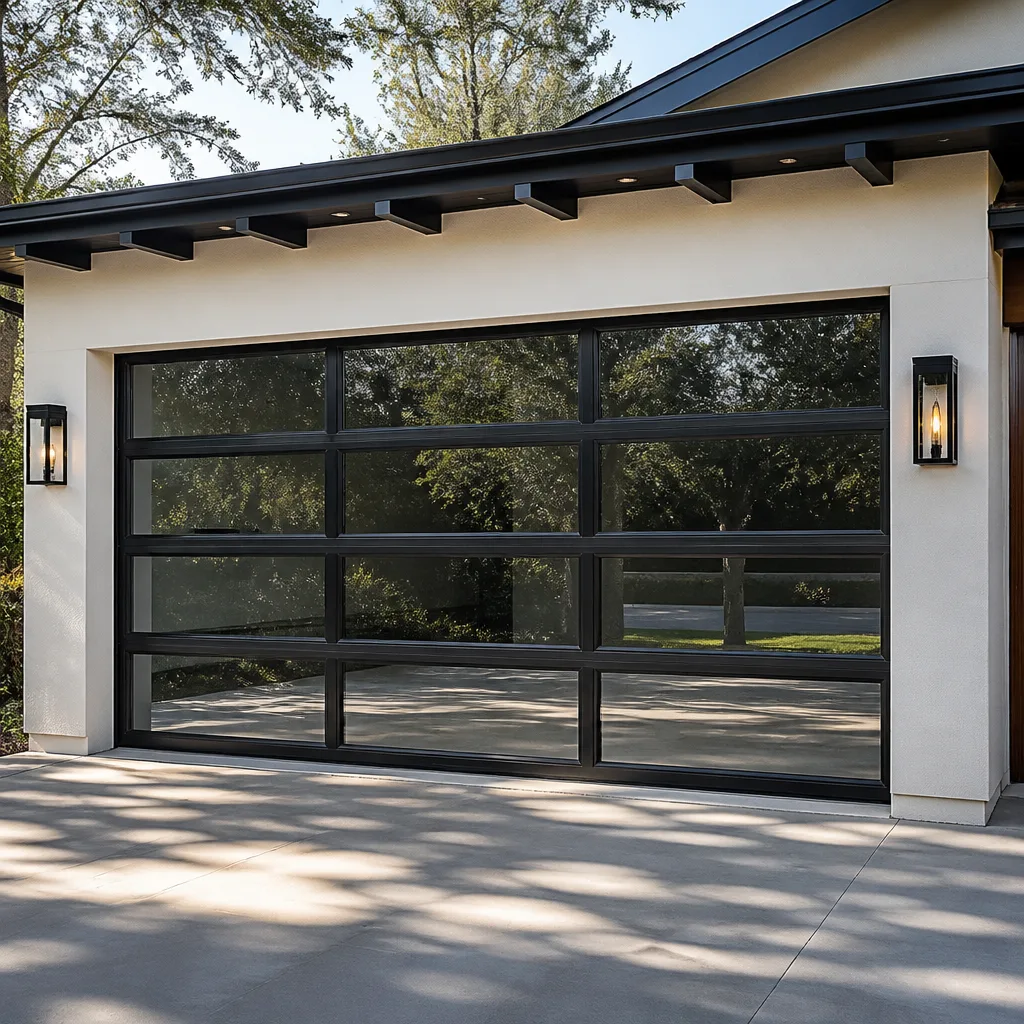 Full-view glass
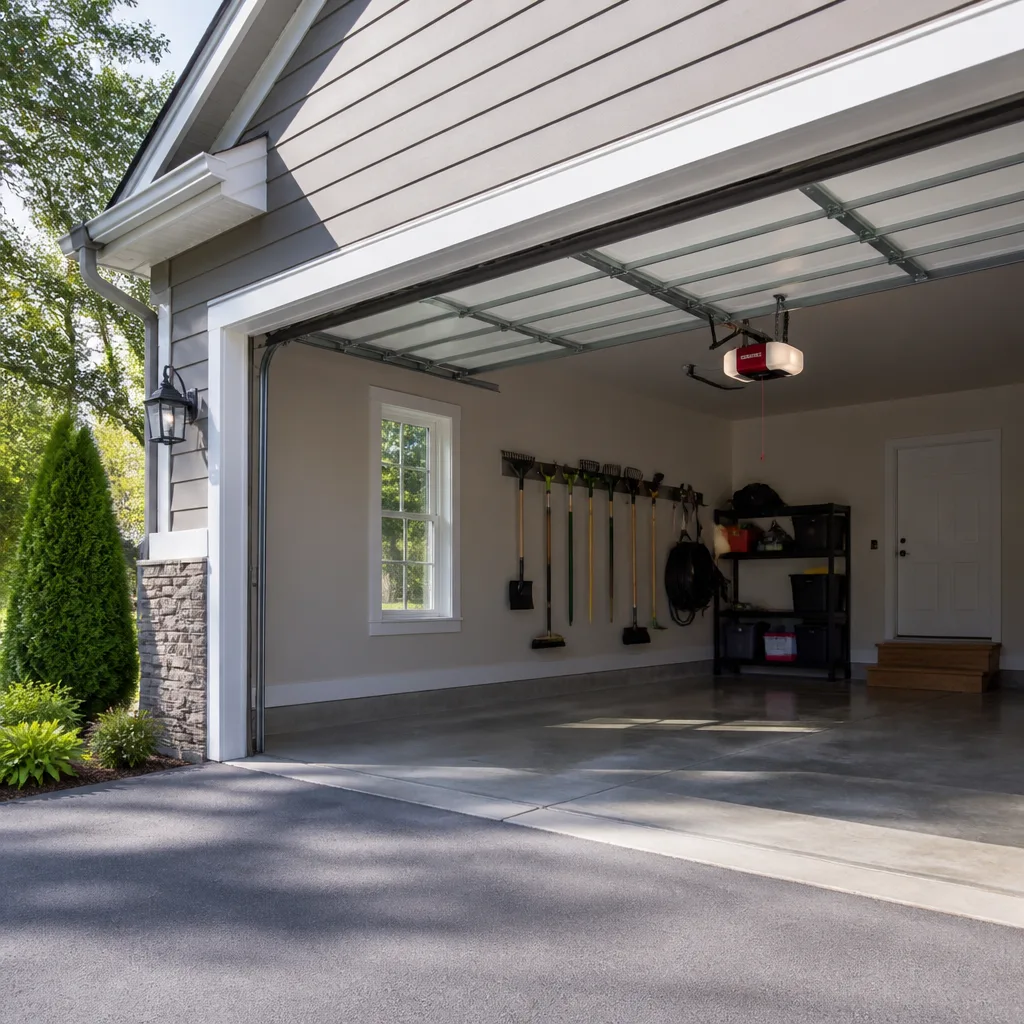 LiftMaster openers
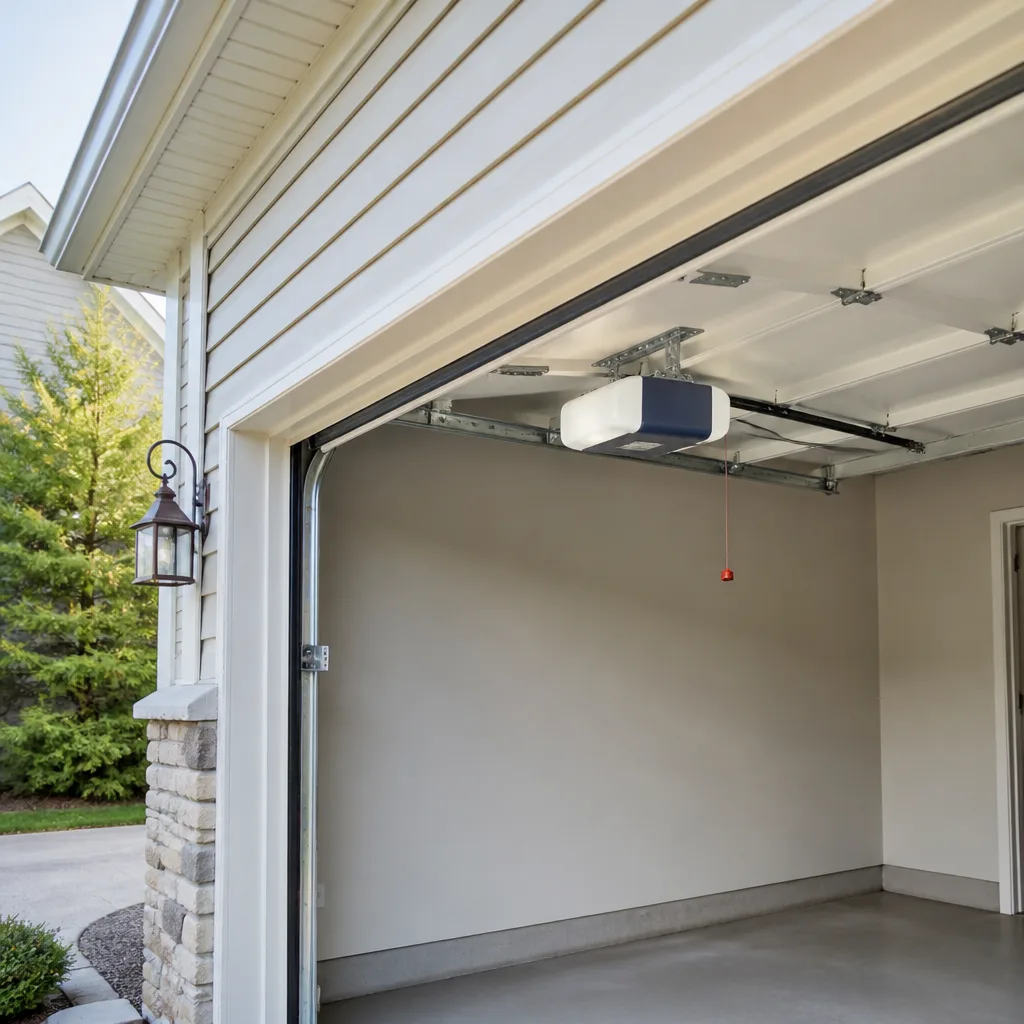 Chamberlain openers
Full 25-point door and opener safety check with every visit - springs, cables, rollers, tracks, and your LiftMaster or Chamberlain opener included
You get a price before we start. It does not change when the pro arrives.
Get your free estimateGarage Door Repair Maintenance Schedule: What to Do and When
The most expensive garage door repair call we see is a snapped torsion spring that takes the cable drum and bottom bracket with it. The frustrating part is that the failure is almost always preceded by months of skipped maintenance that would have cost under $20 in silicone spray and 15 minutes of time. National garage door advice tells you to “lubricate twice a year and check the hardware.” That schedule doesn’t hold up here, where summer heat and desert dust wear parts at their own pace. This guide lays out a maintenance calendar built around El Paso’s actual seasons and the failure patterns that show up after each one.
Quick Answer
In El Paso, a garage door needs a light inspection monthly, real lubrication and a balance test four times a year, a dedicated pre-summer heat check in April, and a post-monsoon debris and rust inspection in October. Spring tension, cables, and safety-reverse testing are the checks that prevent the costliest failures. Skimp on the calendar and heat, dust, and seasonal cold snaps will find the weakest part of your system first.
Styles & brands we work with
- Raised-panel steel
- Carriage house
- Modern flush
- Full-view glass
- LiftMaster openers
- Chamberlain openers
Table of Contents
- Why Garage Door Maintenance Runs on a Different Calendar in El Paso
- The El Paso Month-by-Month Garage Door Maintenance Calendar
- Which Lubricants Go Where (and Why WD-40 Is the Wrong Answer)
- How to Test Spring Tension and Door Balance Without Special Tools
- Opener-Specific Maintenance by Brand and Type
- Coil Springs vs. Wayne Dalton TorqueMaster: A Different Inspection
- What to Log After Every Inspection
- What You Can Safely Check vs. What Needs a Technician
Why Garage Door Maintenance Runs on a Different Calendar in El Paso
Most garage door maintenance guides are written for a climate with four distinct seasons and moderate humidity. El Paso isn’t that. Summers here push past 100 degrees for stretches, the air holds very little moisture, and spring winds carry fine desert dust into every track, roller, and hinge. Those are the three forces that wear a garage door in this city, and each one hits at a different time of year.
Heat is the biggest factor. Torsion springs are steel under constant tension, and repeated thermal expansion and contraction from triple-digit days shortens their working life compared with cooler climates. Grease and oil on moving parts dry out faster, too. A chain that runs quiet in March can start to chirp by June because the factory lubricant has cooked off.
Dust is the second. Desert dust settles into the tracks and mixes with whatever lubricant is already there, forming a gritty paste that wears roller bearings and grinds against hinges. In our experience, a door that never gets its tracks wiped down accumulates enough grit over a summer to accelerate wear on the moving parts.
Winter is mild here, but it isn’t nothing. Cold snaps drop nighttime temperatures enough to stiffen weather seals and make old, dried-out rubber crack. The cold is also when a marginal spring finally lets go, because cold steel is more brittle and the door gets heavier to lift. That’s why the mid-winter seal check on this calendar matters even though you won’t be shoveling snow.
The takeaway: the twice-a-year advice you’ll read on most garage door sites is too little for a climate that combines extreme heat with abrasive dust. You need a calendar that reacts to what each El Paso season actually does to the hardware.
The El Paso Month-by-Month Garage Door Maintenance Calendar
Here’s the calendar we’d hand a homeowner if we could only give them one page. It’s built around the four quarterly deep checks, with the monthly and seasonal tasks layered on top. None of it requires special tools.
- Every month, all year: Look and listen. Run the door up and down and watch for jerky movement, listen for grinding or squealing, and check that the tracks look clear. This takes two minutes and catches problems early.
- January – mid-winter seal and cold-snap check: Inspect the bottom weather seal and the seals around the sides for cracks or gaps. Cold nights make dried rubber brittle, and a cracked seal lets in dust and drafts. Wipe the tracks clean.
- February – hardware tighten: Go along the hinges, brackets, and rail bolts with a wrench and snug anything loose. Vibration loosens fasteners over time, and one loose bracket can throw the whole door out of alignment.
- March – spring-wind dust sweep: Spring winds blow fine dust into the garage. Wipe the tracks with a damp cloth, clear the photo-eye lenses on the opener, and clean out the tracks at the floor where grit collects.
- April – pre-summer heat check (the big one): This is the most important inspection of the year in El Paso. Check spring condition, lubricate rollers, hinges, and springs with the right product, test the door balance, and confirm the opener’s safety reverse works. Doing this before the heat arrives is what prevents a mid-summer breakdown.
- May – opener and safety check: Test the auto-reverse by placing a solid object in the door’s path and confirming the door reverses. Check the opener’s force settings are behaving normally and clear any dust from the motor housing vents.
- June through September – heat watch: Once the heat is on, do a quick monthly listen-and-look. Watch for new noises, jerky travel, or a door that seems heavier. Lubricate if anything starts to squeak.
- October – post-monsoon debris and rust inspection: After the summer rain and dust, check every metal moving part for rust, especially hinges, rollers, and the bottom bracket. Wipe the tracks and clear any debris that blew in. This is when you spot the corrosion the summer set up.
- November – pre-cold-check: Test the balance again and inspect the springs and cables before the cold snap. Lubricate moving parts so they don’t stiffen with the cold.
- December – year-end full inspection: Walk the whole system: springs, cables, rollers, hinges, tracks, seals, and opener. Update your log (more on that below) and note anything that’s changed over the year.
The pattern is simple: the two deep checks in April and October bracket the two hardest seasons, and the rest keeps the hardware clean and tight between them.
Which Lubricants Go Where (and Why WD-40 Is the Wrong Answer)
Here’s a maintenance fact that saves a lot of doors: WD-40 is not a lubricant for garage door hardware. It’s a solvent and water displacer. Spray it on a roller or hinge and it strips away whatever grease was protecting the metal, then evaporates and leaves the part drier than before. Homeowners use it because it’s what’s in the garage, and the door seems quiet for a day or two, then gets noisier than ever. Use the right product for each part instead.
- Rollers and hinges: Silicone spray. It’s dry, it doesn’t attract dust the way oil does, and it won’t gum up the bearing surfaces. In a dusty climate like El Paso’s, this matters more than it would elsewhere.
- Springs: A light coat of silicone spray or a garage-door-specific lubricant. Don’t use heavy grease on springs; it collects grit.
- Tracks: Nothing. Tracks should be clean and dry. Lubricating the track is a common mistake because the lubricant mixes with dust and turns into a grinding paste.
- Opener chain or screw drive: This is where white lithium grease or a synthetic chain lubricant belongs. A dry, unlubricated chain on a chain-drive opener wears fast and gets loud. Synthetic chain lube is better in the heat because it doesn’t migrate off the chain as quickly.
- Opener rail: For a screw-drive opener, use the lubricant the manufacturer recommends for that drive type. For belt drives like many Craftsman units, the belt itself needs no oil, but check belt tension.
The rule of thumb: silicone spray for the door’s moving metal, chain lubricant for the opener’s chain, nothing on the tracks. Buy one can of silicone spray and one bottle of chain lube and you’ve covered 90% of the lubrication your system needs. That’s the under-$20 kit the opening of this guide mentioned.
If the door is already noisy after you’ve lubricated everything with the right products, the noise may be coming from a worn roller, a binding track, or a failing opener rather than dry metal. That’s a good point to have someone look at it – it’s the kind of thing our garage door repair service sorts out.
How to Test Spring Tension and Door Balance Without Special Tools
You don’t need a gauge to check whether your springs are carrying the door’s weight properly. You need your hands and about a minute. The manual lift test is the single most useful check on this whole calendar, because an out-of-balance door puts constant strain on the opener and the springs, and that’s what fails first.
- Close the door fully.
- Pull the opener’s release cord (or disengage the manual release) so the door is disconnected from the opener.
- Lift the door by hand to about waist height, then let go.
- Watch what it does. A properly balanced door stays put where you leave it, or moves only slightly. A door that slides down on its own is under-sprung. A door that flies up is over-sprung.
- Lift the door to the halfway position and test it there too. A balanced door will hold at roughly the midpoint.
- Re-engage the opener by running it and letting the carriage reconnect, or follow the manual release instructions for your opener.
What does “off balance” feel like? A door that’s sagging on the springs feels heavy to lift and won’t stay where you put it, it wants to fall. A door with too much spring tension feels light, almost like it’s pulling itself up, and won’t stay down. A door that’s binding on one side feels like it fights you unevenly, with one side dragging.
Here’s the safety caveat that matters most on this page: the test above is the limit of what you should do by hand. Do not try to adjust, wind, or unwind torsion springs yourself. A torsion spring under tension can release suddenly and cause serious injury, and a cable that snaps under load is just as dangerous. The balance test tells you the system needs attention. A trained technician does the actual spring work. For anything beyond the test, that’s a job for a professional – our El Paso team handles spring and cable work routinely and can tell you what’s actually wrong.
Opener-Specific Maintenance by Brand and Type
Your opener has its own maintenance needs, and they differ by drive type and by brand. A generic “check the opener” line doesn’t help much, so here’s what to look at for the most common systems we work on. We service LiftMaster, Chamberlain, Genie, Clopay, Amarr, Wayne Dalton, Craftsman, and Raynor, so we’ve seen how each one typically ages.
LiftMaster and Chamberlain (chain-drive and MyQ units)
These two brands share a lot of engineering, and their chain-drive units need the chain lubricated with a chain or lithium product and checked for tension. A chain that’s too loose slaps and gets loud; too tight and it strains the motor. If your unit has MyQ smart-home integration and a battery backup, test the backup battery periodically by cutting power at the breaker and confirming the door still operates. A dead backup battery you don’t know about is useless when the power actually goes out.
Genie openers
Genie makes both chain-drive and screw-drive units. On a screw drive, the rail needs the manufacturer’s recommended lubricant and the drive should run smoothly without grinding. On a chain drive, treat the chain the same as above: lubricate with chain lube and check tension. Genie’s older units sometimes develop a stripped gear over time, which shows up as the motor running but the door not moving.
Craftsman belt drives
Belt-drive openers are quieter, and many Craftsman units are belt drive. The belt needs no oil, but it does need its tension checked and its condition inspected – a fraying or stretched belt will eventually slip. Look for cracking on the belt surface and listen for a change in the motor’s sound.
Smart-drive and modern units across brands
The newer openers from LiftMaster, Chamberlain, and Genie increasingly integrate with smart-home systems. Beyond the mechanics, keep the opener’s firmware and app updated, clear dust from the motor housing vents, and confirm the safety reverse works – it’s the one safety function every opener shares. If your opener is acting up despite clean tracks and a lubricated chain, our garage door opener repair service can diagnose whether it’s the opener or the door itself.
Coil Springs vs. Wayne Dalton TorqueMaster: A Different Inspection
Most garage doors use torsion springs mounted above the door or extension springs along the sides. Wayne Dalton is the major manufacturer that uses a different system on many of its doors: the TorqueMaster, which houses the torsion spring inside a tube above the door rather than exposed. That changes how you inspect it.
With a standard exposed torsion spring, you can visually check for gaps, rust, or stretching, and you can do the balance test to feel if tension is right. With a TorqueMaster, the spring is enclosed, so you can’t see it directly. The balance test still works as a functional check – if the door feels heavy or won’t hold position, the internal spring is losing tension. What you’re looking for with a TorqueMaster is different: watch the door’s travel for jerky movement, listen for a change in the winding sound, and check the end plates and the door’s alignment. When a TorqueMaster spring finally fails, the door often drops suddenly, so any sign of weakening is worth having checked.
If you have a Wayne Dalton door and you’re not sure whether it’s a TorqueMaster, the housing above the door tells you. This is the kind of brand-specific difference that makes a proper inspection worth doing – the same visual check doesn’t apply to every door. We work on Wayne Dalton, Clopay, Amarr, and Raynor doors as well as the openers, so a single visit can cover the door and the opener together. If you’re weighing whether to repair or replace, our El Paso Garage Door Service team can walk you through the options for the system you already have.
What to Log After Every Inspection
The one habit that separates homeowners who catch problems early from those who get surprised is record-keeping. A simple log of what you checked and what you noticed lets a technician see deterioration trends rather than starting from scratch. It’s also how you notice that a noise you heard in March is the same noise you heard in June.
What to record after each inspection:
- Date and the check performed (monthly look, quarterly lube, April heat check, etc.).
- Any new noises and when they happen (on opening, closing, or both).
- Balance test result – does the door stay put, slide down, or fly up?
- Lubrication done – which parts, which product.
- Visual condition of springs, cables, rollers, hinges, and seals – note rust, fraying, or cracking.
- Opener behavior – any change in speed, sound, or safety-reverse performance.
- Anything you want a technician to look at next time.
Hand a technician a year of those notes and they can usually spot the failing part before it breaks. Without them, they’re guessing based on a single snapshot. It’s a small habit that pays off, especially in a climate that wears parts on a schedule of its own.
What You Can Safely Check vs. What Needs a Technician
Most of this calendar is homeowner territory. Some of it isn’t, and the line between the two is worth drawing clearly. The checks you can do safely:
- Monthly look-and-listen, wiping the tracks, and keeping the tracks clean and dry.
- Lubricating rollers, hinges, and springs with silicone spray, and the opener chain with chain lube.
- Tightening loose bolts on hinges, brackets, and rails.
- The manual lift balance test.
- Testing the opener’s safety reverse and a battery backup.
- Inspecting seals for cracks and the hardware for rust.
The work that needs a trained technician:
- Replacing, adjusting, or winding torsion springs. These are under high tension and can cause serious injury if released. Don’t attempt it.
- Replacing or adjusting cables. A cable under load can snap.
- Realigning a track that’s bent or out of square.
- Replacing rollers if the bearings are seized and the door is binding.
- Any repair to the opener’s internal mechanism.
A good rule: if the task involves the springs, cables, or the inside of the opener, it goes to a professional. The maintenance you do yourself prevents the failures; the technician handles anything under tension. That division of labor keeps you safe and keeps the door running.
Common Mistakes to Avoid
- Spraying WD-40 on the hardware. It strips the lubricant that protects the metal instead of adding protection, and the door gets noisier a few days later. Use silicone spray on the door and chain lube on the chain.
- Lubricating the tracks. It seems logical, but in El Paso’s dusty air it mixes with grit and turns into a grinding paste. Tracks should be clean and dry.
- Skipping the April heat check. That’s the most important inspection of the year here. Putting it off until summer is when springs fail in the worst heat and you’re stuck with a door that won’t close.
- Ignoring a door that’s heavier or noisier than it used to be. A door that gets harder to lift is telling you the springs are losing tension. Waiting for it to fail usually costs more than fixing it early.
- Trying to adjust the springs yourself. This is the mistake that causes real injuries. The balance test is safe; the spring work is not.
- Not testing the safety reverse. It’s the one safety function every opener has, and it’s easy to forget until it matters. Test it whenever you check the opener.
- Forgetting that different brands need different checks. A Wayne Dalton TorqueMaster needs a different inspection than an exposed torsion spring, and belt-drive and chain-drive openers need different care. Know what you have before you check it.
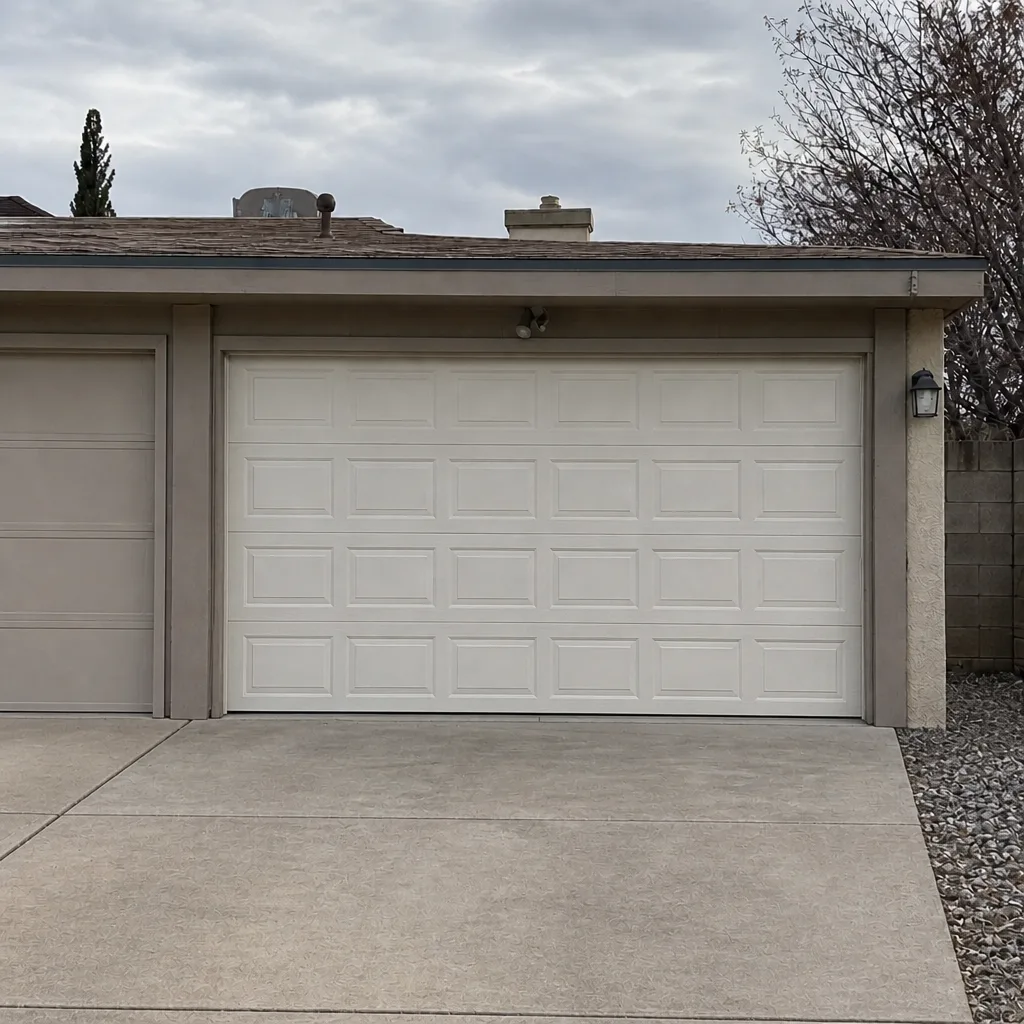
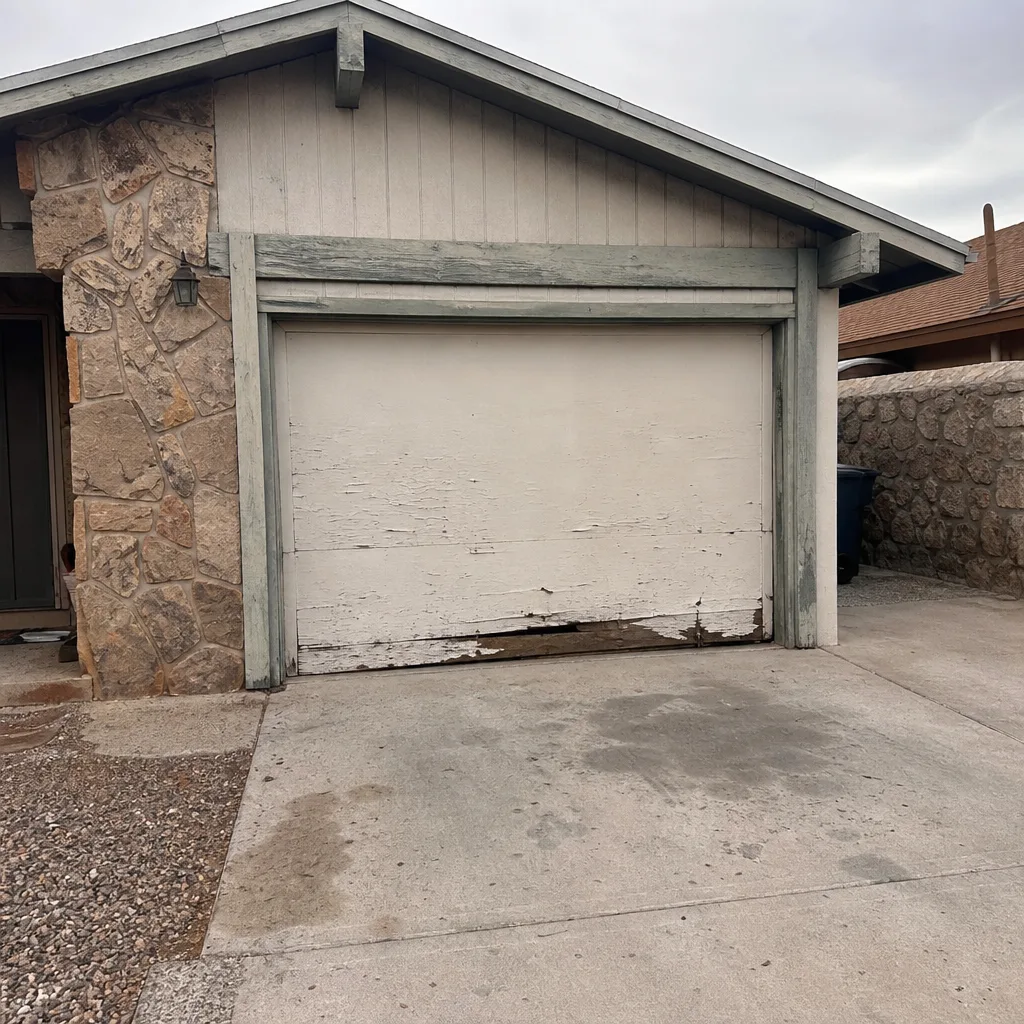
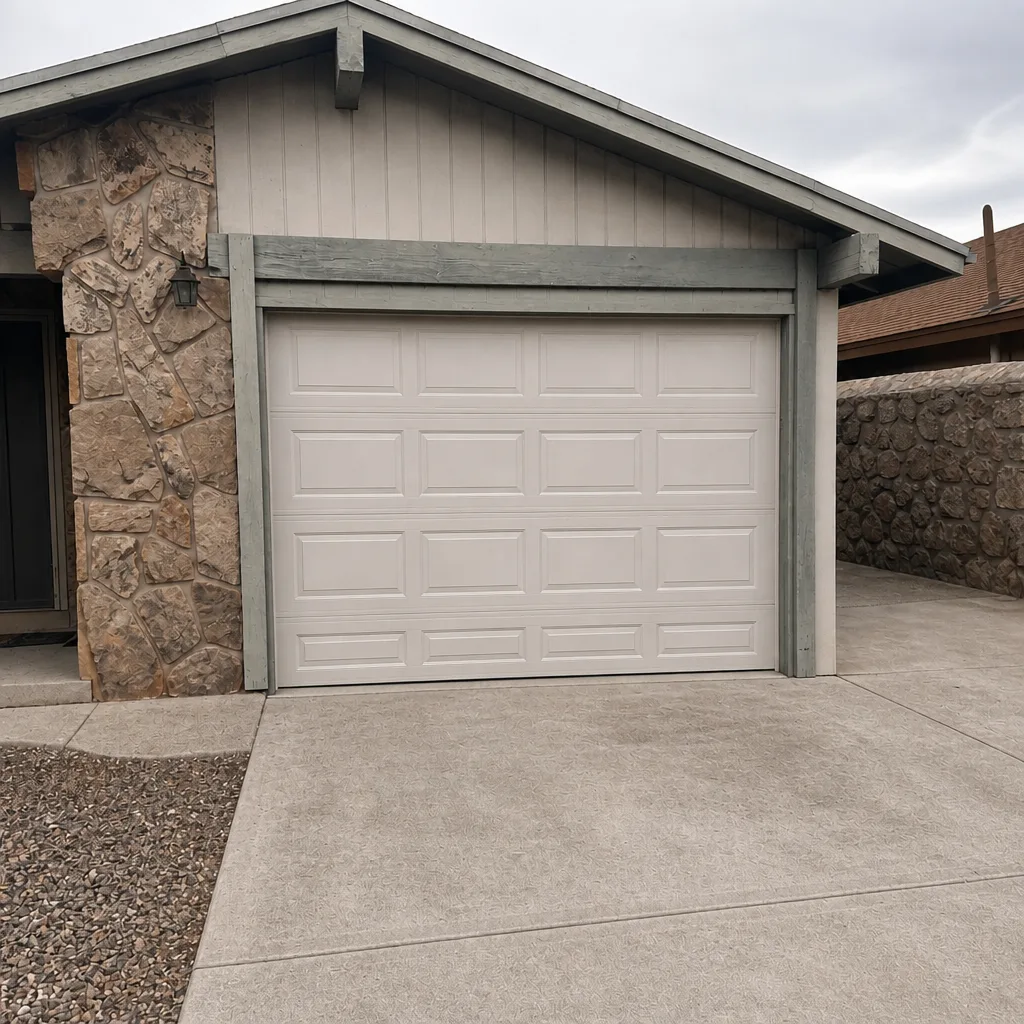
See the difference
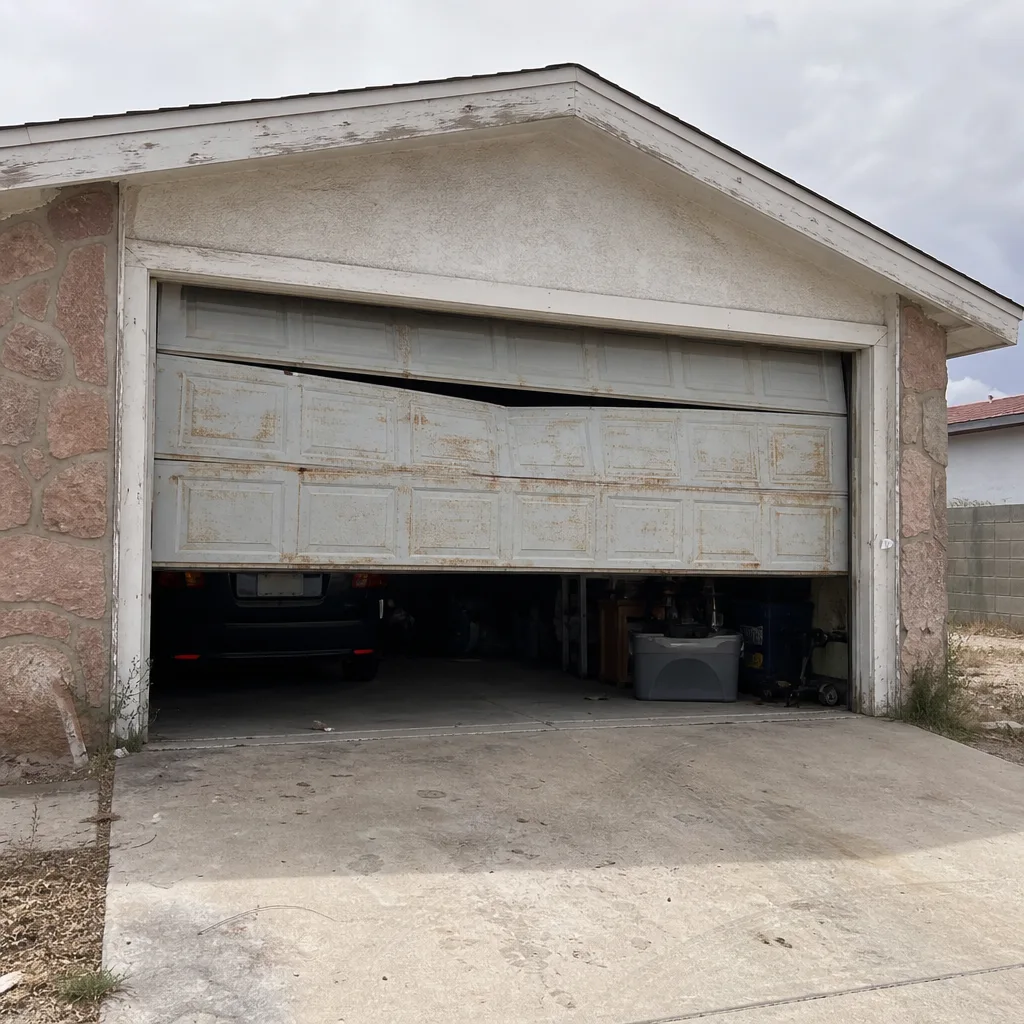 Before
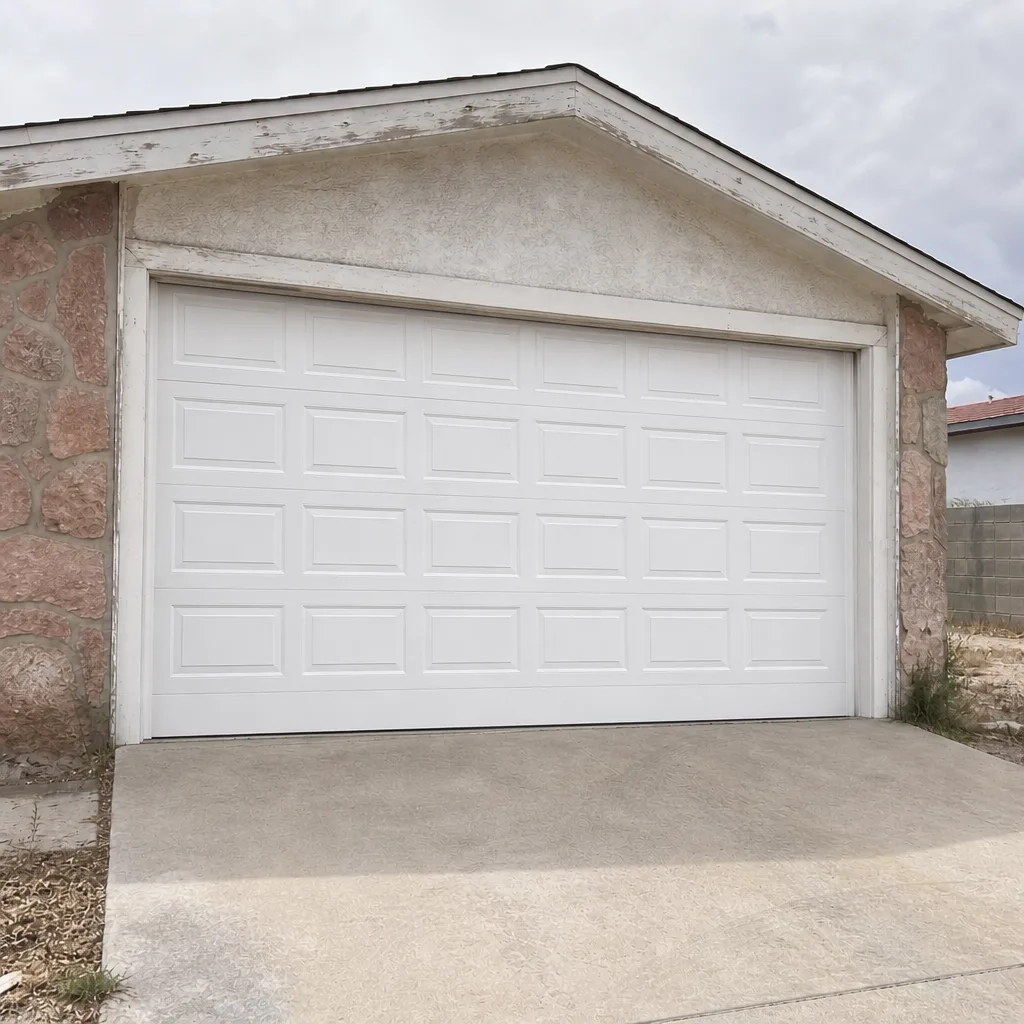 After
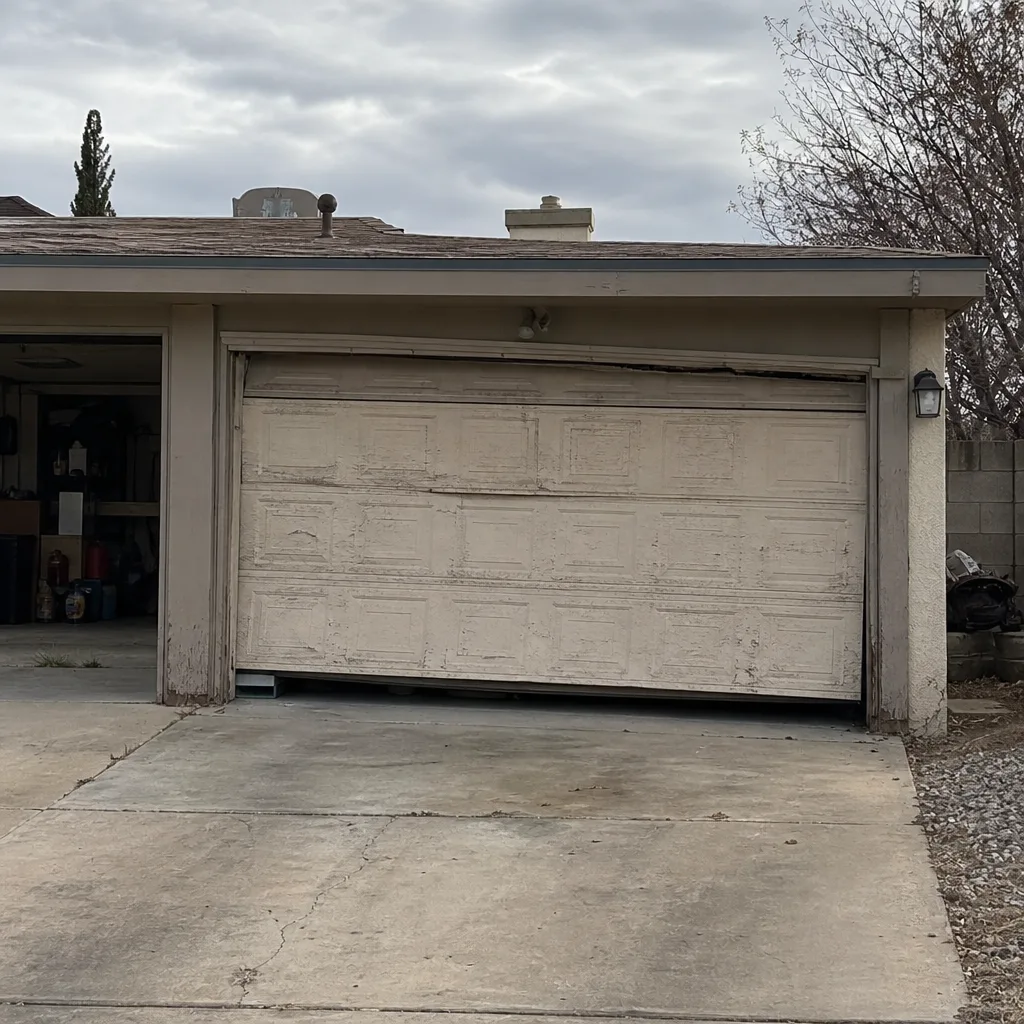 Before
 After
 Before
 After
When to Call a Professional
Some problems are beyond a homeowner’s checklist. Call a professional if the door won’t stay up on its own, if you hear a loud snap and the door won’t move, if the door comes off one track or hangs crooked, if a cable is frayed or loose, if the opener runs but the door doesn’t move, or if the safety reverse fails and won’t reset. Any of those means the system needs a trained technician, not another round of maintenance.
El Paso Garage Door Service offers free estimates in El Paso – call (833) 345-7126. We handle the door and the opener together in one visit, so no part of the system gets handed off to another vendor. We answer 24/7, and fast dispatch runs from 7am to 7pm, Sunday through Friday, so you’re not stuck waiting days for a failure to be looked at.
Frequently Asked Questions
Four times a year for the deep lubrication, plus a quick touch-up any time a part starts to squeak. The quarterly schedule aligns with the April pre-summer heat check and the October post-monsoon inspection, when you’re doing a full hardware walk-through anyway. The heat here dries out lubricant faster than in cooler climates, so staying on the four-times-a-year pace matters. Call (833) 345-7126 if you’d rather have a technician handle it – estimates are free.
It means the door is out of balance, and almost always that the springs aren’t carrying the door’s weight properly. If the door slides down on its own, the springs are weak or failing; if it flies up, they’re over-tensioned. Either way, don’t try to fix the springs yourself – that’s dangerous. A technician can diagnose and correct it safely. Call (833) 345-7126 for an exact quote – estimates are free.
No. WD-40 is a solvent and water displacer, not a lubricant, so it strips away the grease that protects the metal and leaves parts drier than before. Use silicone spray on rollers, hinges, and springs, and chain or lithium lubricant on the opener’s chain. It’s a small change that makes a real difference in how long the hardware lasts.
Because the climate here combines extreme summer heat with fine desert dust, which wears parts on a different schedule than the moderate, four-season climates most garage door guides are written for. Springs work harder in the heat, and dust turns into a grinding paste in the tracks and rollers if it isn’t cleared. That’s why this calendar adds a dedicated April heat check and an October post-monsoon inspection rather than the generic twice-a-year advice.
Look above the door. A TorqueMaster houses its spring inside a tube, so you won’t see an exposed coil the way you would on a standard torsion setup. If the spring is enclosed, it’s a TorqueMaster-style system, and the inspection is different – you check the door’s travel and feel rather than looking at the spring directly. If you’re not sure what you have, a technician can tell you in a minute. Call (833) 345-7126 for a free estimate.
If it’s still noisy with the right products on the right parts, the noise is likely coming from a worn roller, a binding track, or a failing opener rather than dry metal. That’s worth having looked at, because those tend to get worse and can lead to a bigger repair. Call (833) 345-7126 for an exact quote – estimates are free.
The Bottom Line
A garage door maintained on this calendar costs a fraction of one that’s ignored. The heart of it is the April pre-summer heat check and the October post-monsoon inspection, with monthly look-and-listen checks and quarterly lubrication in between, all tuned to how El Paso’s heat and dust actually wear the hardware. Use silicone spray on the door and chain lube on the opener, never WD-40 on metal, and never lubricate the tracks. Run the manual lift balance test – and leave the springs to a professional. Keep a log so a technician can see trends, not just a snapshot. Do the checkable part yourself and call in the rest. We work on LiftMaster, Chamberlain, Genie, Clopay, Amarr, Wayne Dalton, Craftsman, and Raynor, so no matter what’s on your garage, we’ve seen it. Call (833) 345-7126 for a free estimate. We answer 24/7. Fast dispatch from 7am to 7pm, Sunday through Friday.
Written by the team at El Paso Garage Door Service.