
Last updated November 15, 2026
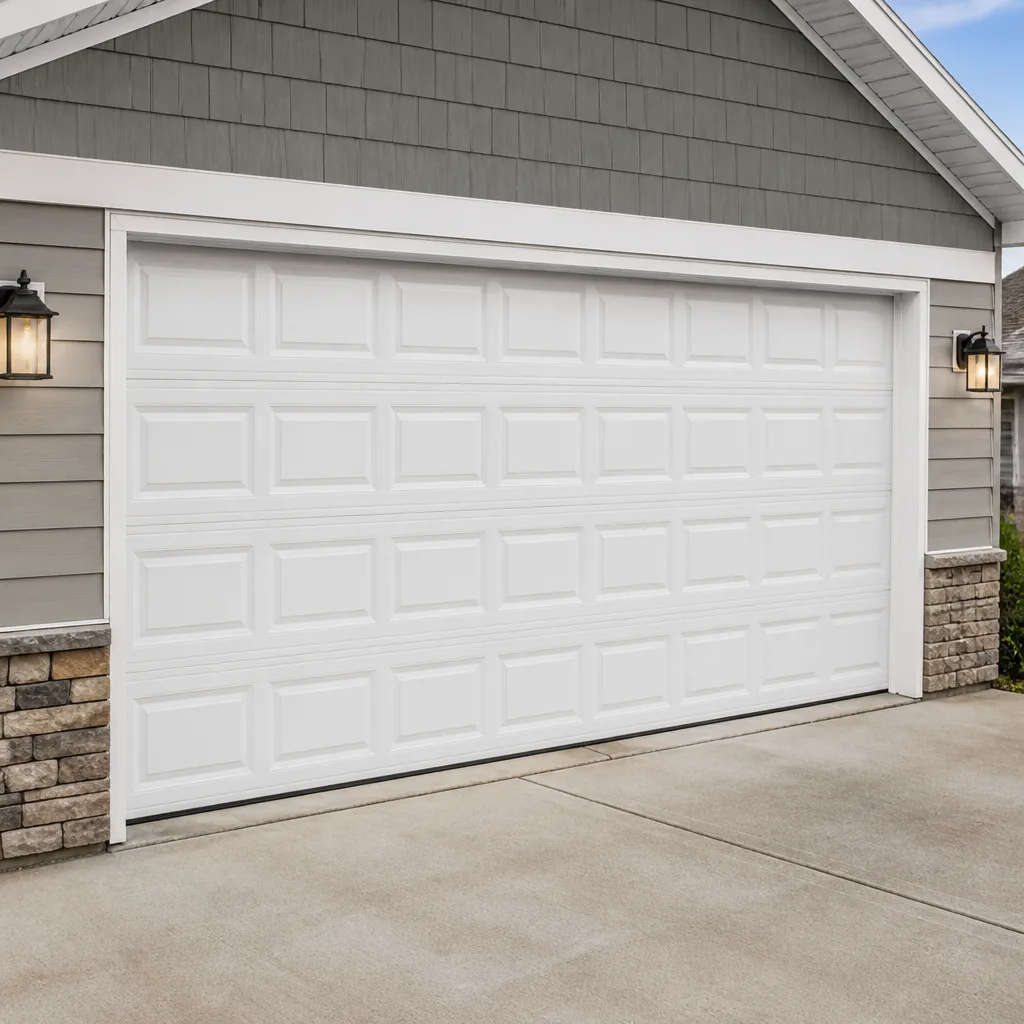 Raised-panel steel
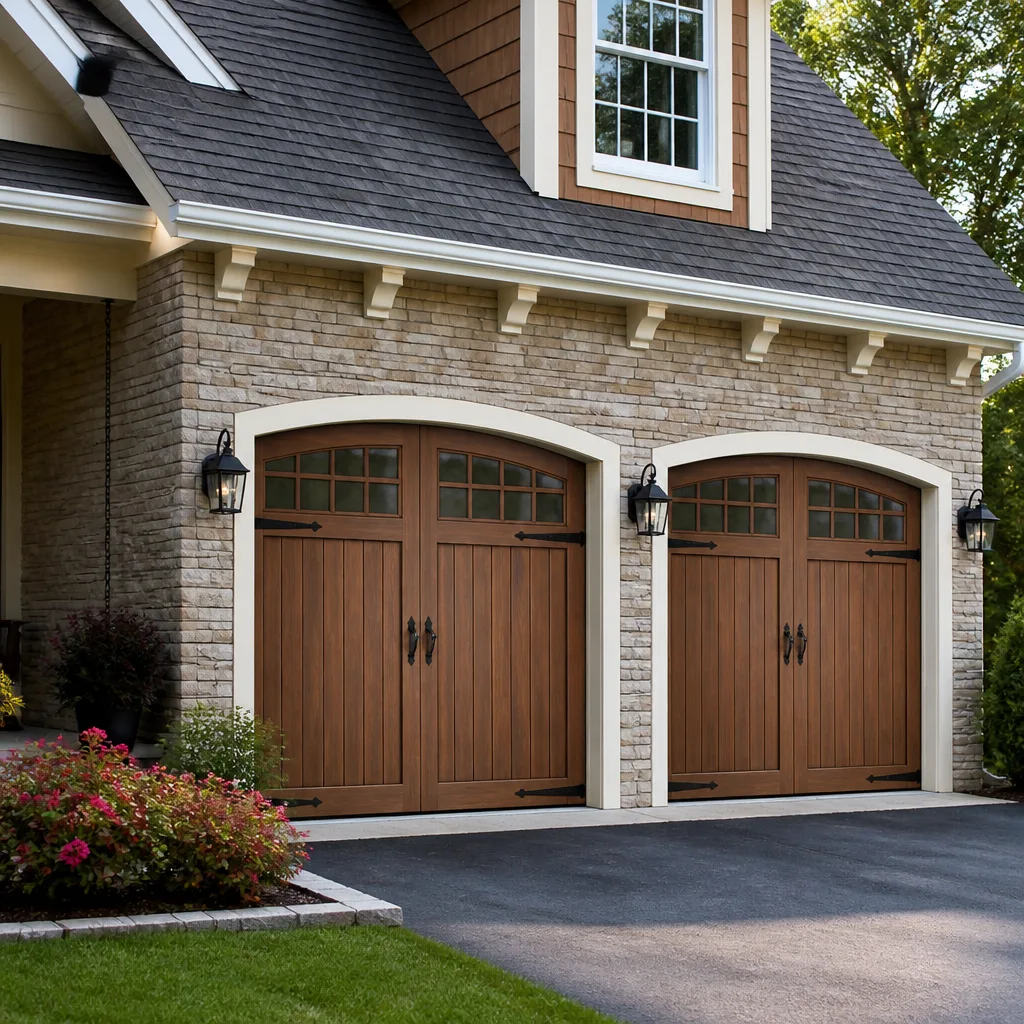 Carriage house
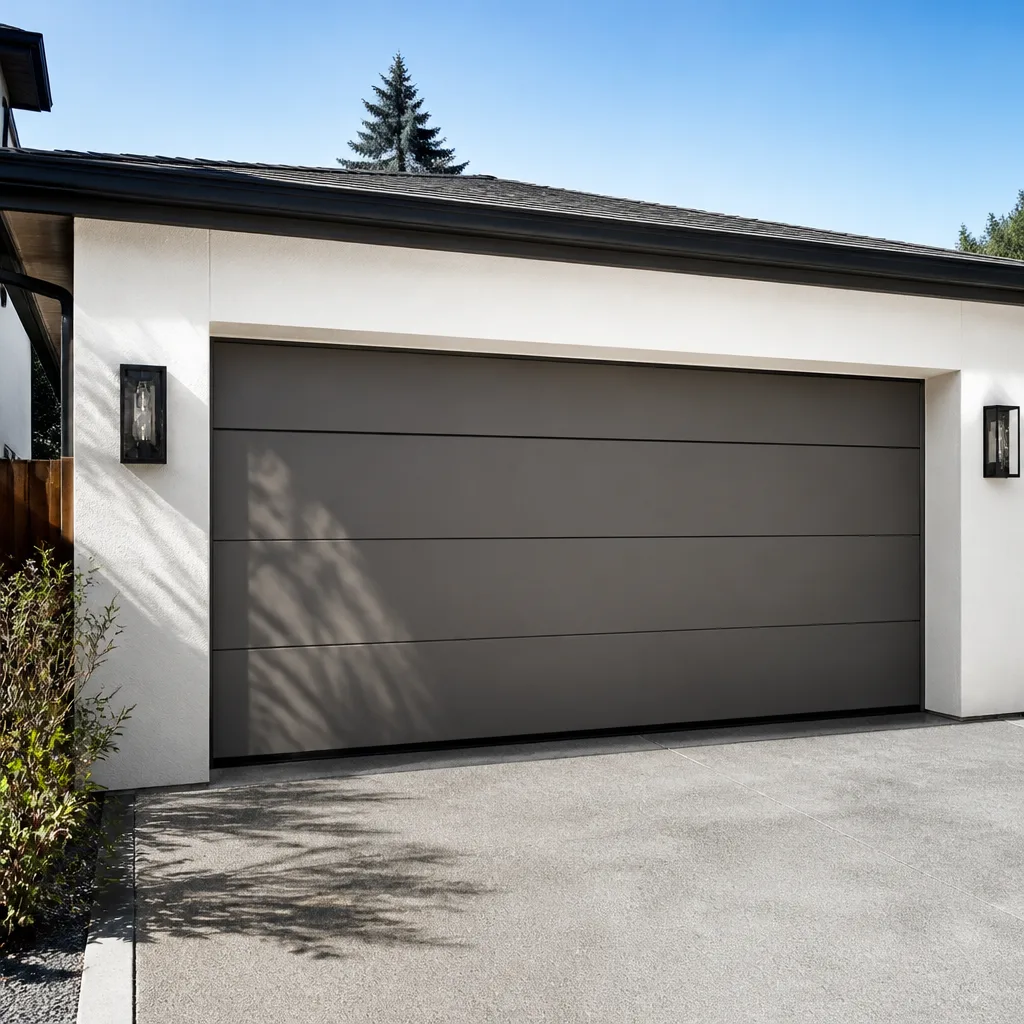 Modern flush
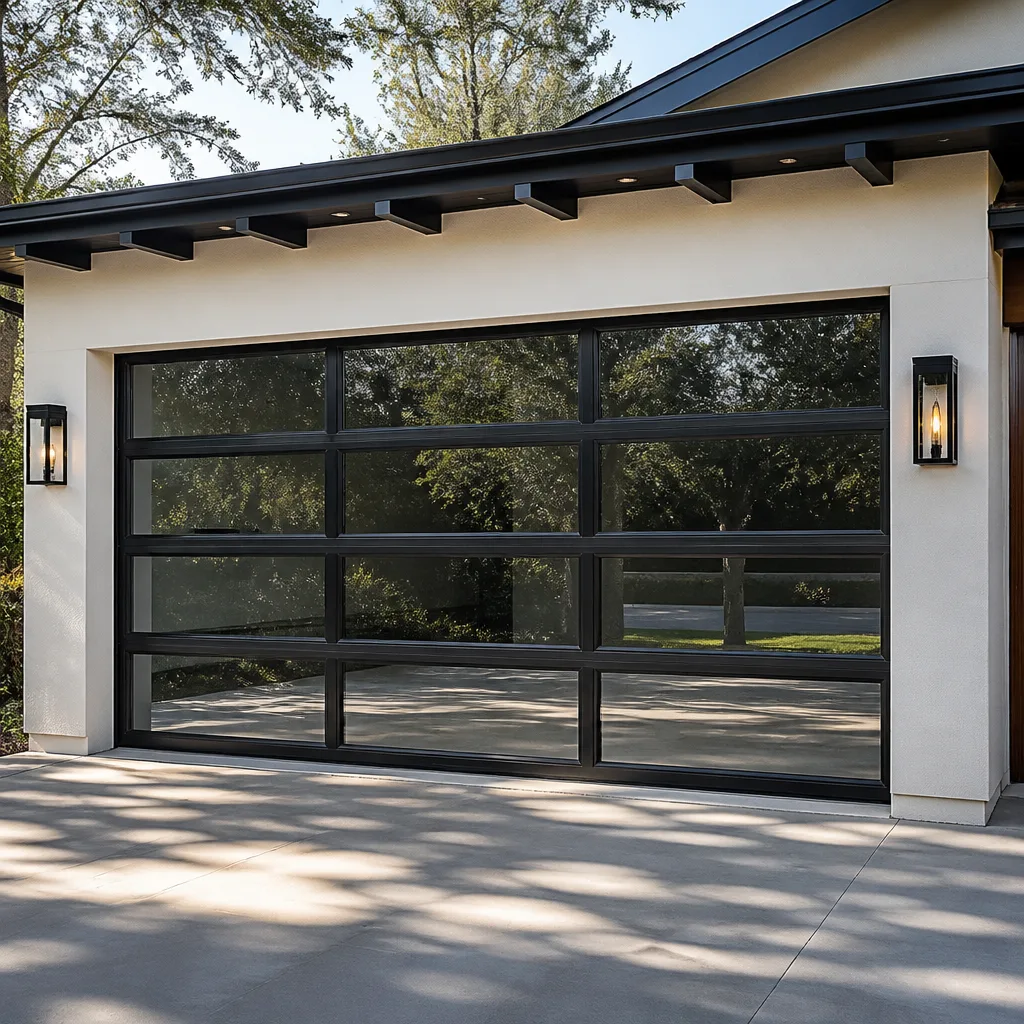 Full-view glass
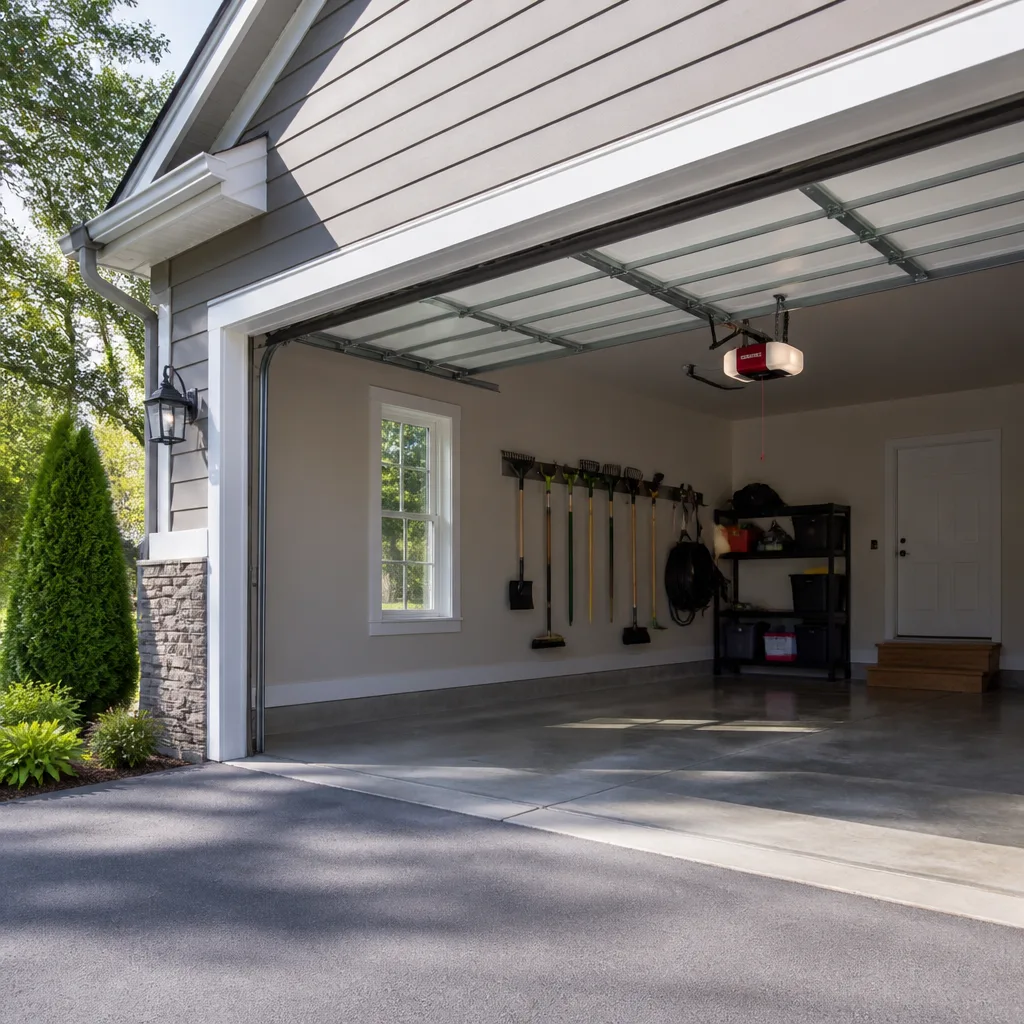 LiftMaster openers
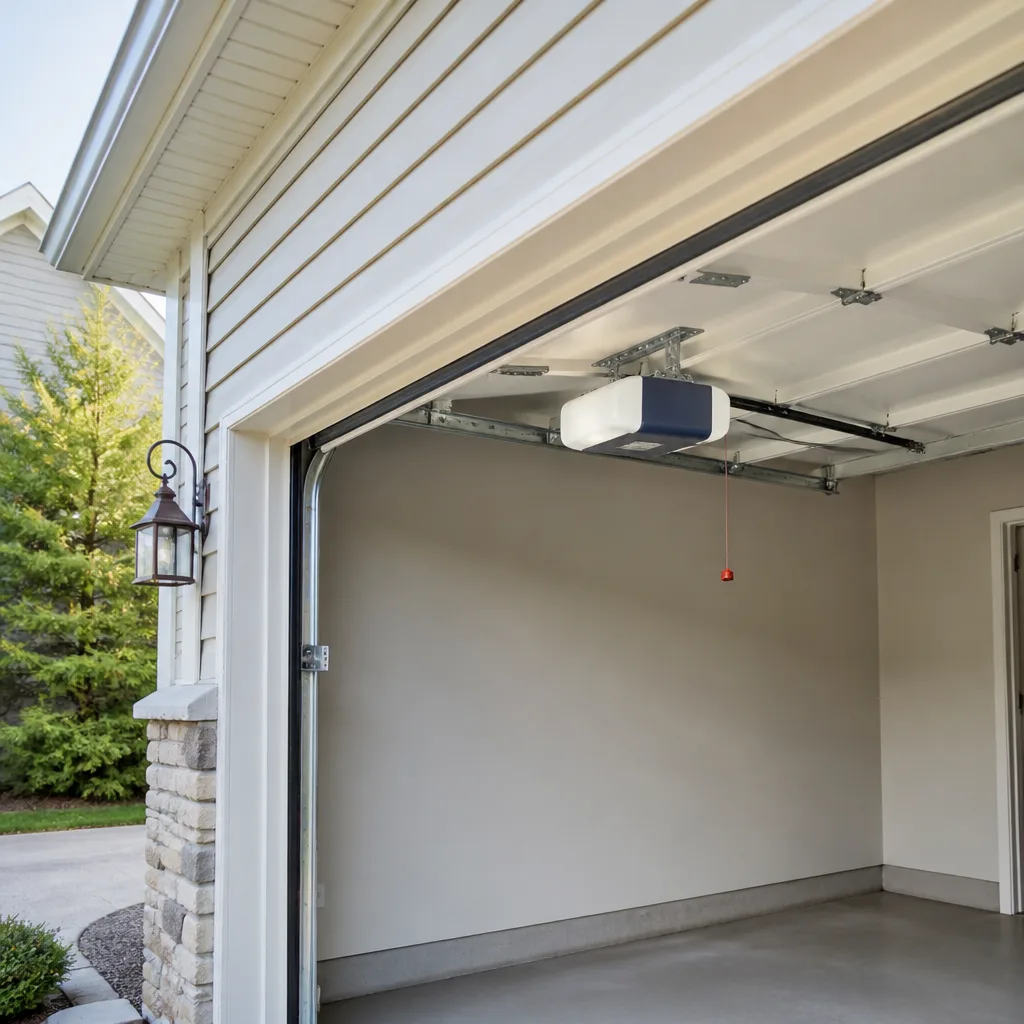 Chamberlain openers
Full 25-point door and opener safety check with every visit - springs, cables, rollers, tracks, and your LiftMaster or Chamberlain opener included
You get a price before we start. It does not change when the pro arrives.
Get your free estimateGarage Door Emergency Preparedness Guide for El Paso Homes
Most homeowners think their garage door is ready for trouble. Then the first monsoon gust knocks the power out and they walk into the garage and realize they don’t actually know where the manual release cord is. Worse, they lift the trolley arm and nothing happens, because someone unhooked it during a past service and never clipped it back on. In our experience, the failure itself is rarely the emergency. The lack of a plan is. This guide covers what to do when a door won’t move, won’t close, or is stuck open in El Paso’s heat, storms and rare cold snaps. You’ll get the release routine for the three opener brands we see most, security steps for a door that can’t close, and the exact information to give us when you call so a technician arrives with the right part the first time.
Quick Answer
For most garage door emergencies in El Paso, the first step is to pull the manual release cord hanging from the opener’s trolley to disconnect the door from the motor, then lift the door by hand. If the door won’t open by hand, a spring is likely broken and the door should stay closed until a technician arrives. If it’s stuck open and can’t be closed, clamp a pair of C-clamps on the vertical track just above a roller to stop the door from dropping.
Styles & brands we work with
- Raised-panel steel
- Carriage house
- Modern flush
- Full-view glass
- LiftMaster openers
- Chamberlain openers
Table of Contents
- What Happens When the Power Goes Out During a Monsoon
- Manual Release Cord Location by Opener Brand
- When the Door Is Stuck Open and Won’t Close
- Closing a Door With a Broken Spring: When It’s Safe, and When It Isn’t
- El Paso Weather Events That Break Garage Doors
- What to Tell a Technician When You Call
- Electrical and Opener Safety: When to Stop and Call
- Pre-Season Preparedness Checklist
What Happens When the Power Goes Out During a Monsoon
When a summer monsoon rolls through El Paso and the power drops, the garage door stops exactly where the opener left it. The door itself isn’t broken. It’s just disconnected from the motor. What surprises homeowners is that the fix is mechanical and takes about ten seconds, provided the release cord is still attached and the door’s springs are intact.
The routine looks like this:
- Check that the power is actually out. Look at the lights on the opener. No lights usually means no power to the unit, either from the outage or from a tripped breaker in your panel.
- Locate the manual release cord. It hangs from the trolley that slides along the opener’s rail, near the motor head. It’s usually a red or T-handle rope.
- Pull the cord straight down and toward the door. You’ll feel the trolley disengage with a click.
- Lift the door by hand. A well-balanced door comes up with modest effort. If it feels like lifting a concrete slab, stop and read the broken spring section below.
- When power returns, reconnect the trolley by running the opener, then pull the cord again to re-latch it as the door travels toward the motor. Or press the wall control to cycle the door and let the trolley re-engage automatically.
Here’s the part most people miss. If the last technician who serviced your door unhooked the release cord and never clipped it back, you won’t have a working manual release during the next El Paso power outage. Before storm season, reach up and confirm the cord is connected to the trolley and that it doesn’t hang low enough to snag on anything. That’s a two-minute check that saves an hour of frustration when the lights go out.
For more on the parts that break when the power returns, our guide to garage door repair covers the specific failures we diagnose most often.
Manual Release Cord Location by Opener Brand
The manual release cord looks and feels different depending on the opener, but the operation is the same on all three brands we see most in El Paso homes. Here’s where to find the cord and how to pull it for each one.
LiftMaster
On a LiftMaster opener, the release cord hangs from the trolley directly. Look for a red T-handle attached to a short rope, usually hanging over the center of the door. Pull it down and toward the door with one firm motion. You’ll hear the trolley disengage. To reconnect, cycle the opener and the trolley re-latches on its own as the arm travels toward the motor. If the door won’t reconnect, check that the outer trolley is seated on the rail before cycling again.
Chamberlain
Chamberlain uses the same trolley design as LiftMaster in most residential units, so the release looks identical: a red or black T-handle on a short cord over the door. Pull down and toward the door. One difference worth knowing is that some Chamberlain models have a separate keyed emergency release on the outside of the door. If yours does, it drops the door’s connection from outside; use that when you can’t get into the garage to reach the rope.
Genie
On a Genie opener, the cord often hangs from the carriage assembly rather than the trolley head, and it may be a shorter handle without a T. Pull it straight down and toward the door. Genie’s reconnect routine is the same: cycle the opener and let the carriage re-engage. If it doesn’t, run the opener a second time with the door partly raised.
One more thing: never leave the disconnect engaged and then press the wall button expecting the door to open. The motor will run, the trolley will travel, and the door won’t budge, which is how a lot of people decide their opener is broken when it isn’t. If your opener has stopped responding through normal operation, our garage door opener repair page covers the diagnosis and the fix.
When the Door Is Stuck Open and Won’t Close
A door stuck open is an open invitation, and in El Paso it’s the situation we get the most calls about. If the opener won’t respond, the release cord is stuck, or the door is resting open because a cable has come off the drum, the priority shifts from repair to securing the opening.
Here’s what we recommend:
- Try the manual release cord first. If the trolley disconnects and the door lowers by hand, push it down fully and call it done for now.
- If the door won’t move, don’t force it. A jammed door being pushed risks the panels, the tracks and the cables.
- Clamp the tracks. Place a C-clamp or a locking pliers on the vertical track directly above a roller on each side of the door, with the clamp snug against the roller. This creates a physical stop that prevents the door from sliding down. Do this on both sides.
- Consider the interior. If the garage connects to the house and the door is open to the outside, latch the interior door and treat the opening as exposed until the repair is done.
- Call us with the details. The faster we know the door’s position, the brand and the failure mode, the faster we can bring the right part.
Avoid using a block of wood, a broom handle or a chair against the door as a stop. Those hold until the door shifts and then slide out of place with much less warning than a clamp on the track. And please don’t climb on a ladder to reach the spring assembly or drum. A door held open by an unbalanced spring or a slipped cable is under constant tension, and it can move suddenly. We answer 24/7. A call outside dispatch hours is booked into the next opening, Sunday through Friday, 7am to 7pm, and we’ll talk you through the clamp setup while you wait.
Closing a Door With a Broken Spring: When It’s Safe, and When It Isn’t
When a torsion spring breaks, which is the most common spring failure we see, the door usually drops or becomes impossible to lift by hand. You’ll know one has let go by the sound and the sudden imbalance. Closing it safely then becomes a judgment call.
Here’s the general rule. If you can lift the door several inches and lower it without strain, and the door stays balanced when you let go, you can generally lower it and get it fully closed by pushing it down by hand. If it feels heavy, wants to slam down, or rises on one side more than the other, stop. That door is out of balance and needs a technician before anyone moves it.
Never do this with the opener engaged. If the opener is connected, disconnect the trolley first using the release cord, then work the door by hand. And never try to close a door by pulling on a cable or by lifting on the bottom bracket that the cable attaches to. Both of those are under tension and are a leading cause of serious injury.
If the door has one broken spring out of a matched pair, the second spring is carrying double the load and should be replaced at the same time. A single spring replacement is priced separately from a pair, because a pair costs about twice a single spring. In El Paso we typically see both replaced together on a door that’s been in service any length of time, because the surviving spring is already past its design life.
Spring work is one of the genuinely dangerous parts of this trade. The springs, cables and drums together hold the full weight of the door, and a mistake releases that stored energy in a fraction of a second. This is a trained-professional job. Our technicians have up to 8 years of experience with the brands we carry, and we’ll always explain what failed and what the fix involves before any work starts. For the mechanics of a spring replacement specifically, see our El Paso Garage Door Service page.
El Paso Weather Events That Break Garage Doors
Most garage door failure guides were written for a climate where ice is the main enemy. El Paso isn’t that climate. Ours runs from dry desert heat to summer monsoon storms to the occasional hard cold snap, and each one breaks doors in a different way.
Monsoon Electrical Surges and Opener Boards
Summer monsoon storms bring lightning, and lightning brings power surges. The most common casualty in a garage after a storm is the opener’s logic board, followed by the wall control. The door itself is fine, but the opener won’t respond, won’t complete a cycle, or clicks without moving. A surge protector on the opener’s outlet is a cheap precaution. If the opener has already gone silent after a storm, a board replacement or a full opener replacement is usually the answer, and the brand matters because boards vary by model. On a LiftMaster or Chamberlain, replacement boards are widely available; on an older Genie, the model number on the motor head is what we need to source the right part.
Cold Snaps and Threshold Seals
El Paso winters are mild, but the occasional hard freeze still happens. The rubber threshold seal at the bottom of the door is the part most likely to suffer. When it freezes against the slab and the door cycles, the seal can tear or pull loose. A brittle seal also lets dust and insects in the rest of the year. If you’ve had a cold snap and the bottom of the door looks ragged, that’s a seal replacement, not a new door.
High Wind and Full-View Panels
The desert wind that comes with a monsoon front loads a garage door like a sail. On full-view doors with glass panels, high wind puts the stress on the stiles and the panel-to-panel joints, and the damage often shows up as a cracked glass panel or a bent section rather than a catastrophic failure. If a window panel cracks, a Clopay or Amarr panel of the matching model can usually be replaced on its own, so you aren’t replacing the whole door over one pane.
Wind pressure is also why a damaged or rusted track matters more than it looks. A weak track lets wind-driven panels shift, and that shift is what cracks glass. If you’ve got doors and openers from more than one brand on the same property, a single diagnostic visit can cover both. We work on doors from Clopay, Amarr, Wayne Dalton and Raynor and openers from LiftMaster, Chamberlain, Genie and Craftsman, so you don’t get handed off between vendors when the failure touches both.
What to Tell a Technician When You Call
The most useful thing you can do in a garage door emergency is to give us enough detail on the phone that we arrive with the right part. Here’s what we need, in the order that helps most.
- The brand and model of the opener. It’s printed on the motor head or on a label on the back panel. Write it down before you call if you can reach it.
- What the door is doing right now. Open, closed but stuck, partway down, or not moving at all.
- What you’ve already tried. Did the manual release disconnect the trolley? Did the door lift by hand?
- What you heard or saw when it failed. A bang points to a spring. A screech points to a bearing or a roller. Clicking without movement points to the opener board or a sensor.
- Whether there’s a vehicle trapped inside. That changes the urgency and the sequence.
- Whether it’s the door or the opener that misbehaved. If the opener runs but the door doesn’t, the door is the issue. If the door is fine but the opener won’t run, the operator is the issue.
That last point is why we ask so many questions on the phone. A door and opener are one system, but the fix is different for each half, and a technician who arrives without knowing which one failed may make a second trip. Our practice is to come with the right part for both, which is the practical reason we carry knowledge across the eight brands most El Paso homes have: LiftMaster, Chamberlain, Genie, Clopay, Amarr, Wayne Dalton, Craftsman and Raynor. When you call, we’ll also tell you the price quoted matters: the written quote is the price, and nothing begins before you’ve agreed to it.
Electrical and Opener Safety: When to Stop and Call
Most opener issues are mechanical, but the opener runs on house current, and the wall control and safety sensors are wired into the same circuit. That’s where the line between a homeowner fix and a professional job sits.
Stop and call for help if any of these are true:
- The opener sparks, buzzes or smells like burning. That’s an electrical fault, and the unit should be unplugged at the outlet, not just switched off at the wall control.
- The breaker for the garage trips repeatedly. That points to a wiring fault, and a tripping breaker is a signal to stop using the circuit.
- The wiring to the wall control or the safety sensors is damaged or exposed. Low-voltage sensor wiring is one thing; the line voltage feeding the opener is another, and that’s panel work for a licensed electrician, not a garage door job.
- The opener’s motor runs hot or the door moves in stops and starts. That can be a failing capacitor or a board issue, and continued cycling makes it worse.
Never open the opener’s housing to poke around inside. The capacitors hold a charge after the power is off. For anything past the outside of the unit, call us, and if the problem is in the panel or the house wiring, we’ll tell you so and point you to the right trade. Our El Paso page covers the areas we serve and the three service categories we offer: garage door repair, opener repair and full installation.
Pre-Season Preparedness Checklist
Ten minutes of prep before storm season is worth an hour of scrambling during an outage. Run through this list twice a year.
- Find and test the manual release cord. Pull it, feel the trolley disconnect, then cycle the door and confirm it reconnects. Do this before monsoon season and again before the first cold snap.
- Check the balance of the door. Disconnect the opener and lift the door halfway. If it stays put on its own, it’s balanced. If it drops or needs constant pressure to hold, it needs adjustment.
- Look at the springs and the cables. A gap in a torsion spring or a frayed cable is a call-now item, not a wait-and-see.
- Inspect the bottom seal. A torn or brittle threshold seal lets dust in and can snag the door on the slab.
- Clear the sensor eyes. Dust and cobwebs on the safety sensors are the most common reason a door won’t close.
- Put a surge protector on the opener outlet. A simple step for monsoon lightning.
- Keep two C-clamps in the garage. They’re the fastest way to secure a door that won’t close.
- Write down your opener’s brand and model. Tape it to the wall next to the wall control so it’s there when you call.
Common Mistakes to Avoid
- Pulling the release cord without checking the door first. If the door is stuck or out of balance, disconnecting the opener while it’s partway down can drop it fast. Check the door’s weight before you pull the cord.
- Assuming the opener is broken when the trolley is just disconnected. The motor runs, the door doesn’t move, and the fix is a five-second re-latch, not a new opener. Check the release cord first.
- Forcing a door that’s jammed in the track. Pushing a jammed door risks the panels, the tracks and the cables, and it’s how a small repair turns into a full replacement.
- Using a chair or a broom as a door stop. Those don’t hold against the weight of a door. Clamp the track instead.
- Replacing one spring when one of a pair has broken. The second spring is already past its design life and is now carrying double the load. Replace the pair.
- Ignoring a cracked glass panel on a full-view door. A cracked panel can fog or shatter with the next wind event, and on a Clopay or Amarr door the panel can be replaced on its own.
- Letting a storm surge take out the opener board twice. Without a surge protector on the outlet, a second monsoon can do the same damage again.
See the difference
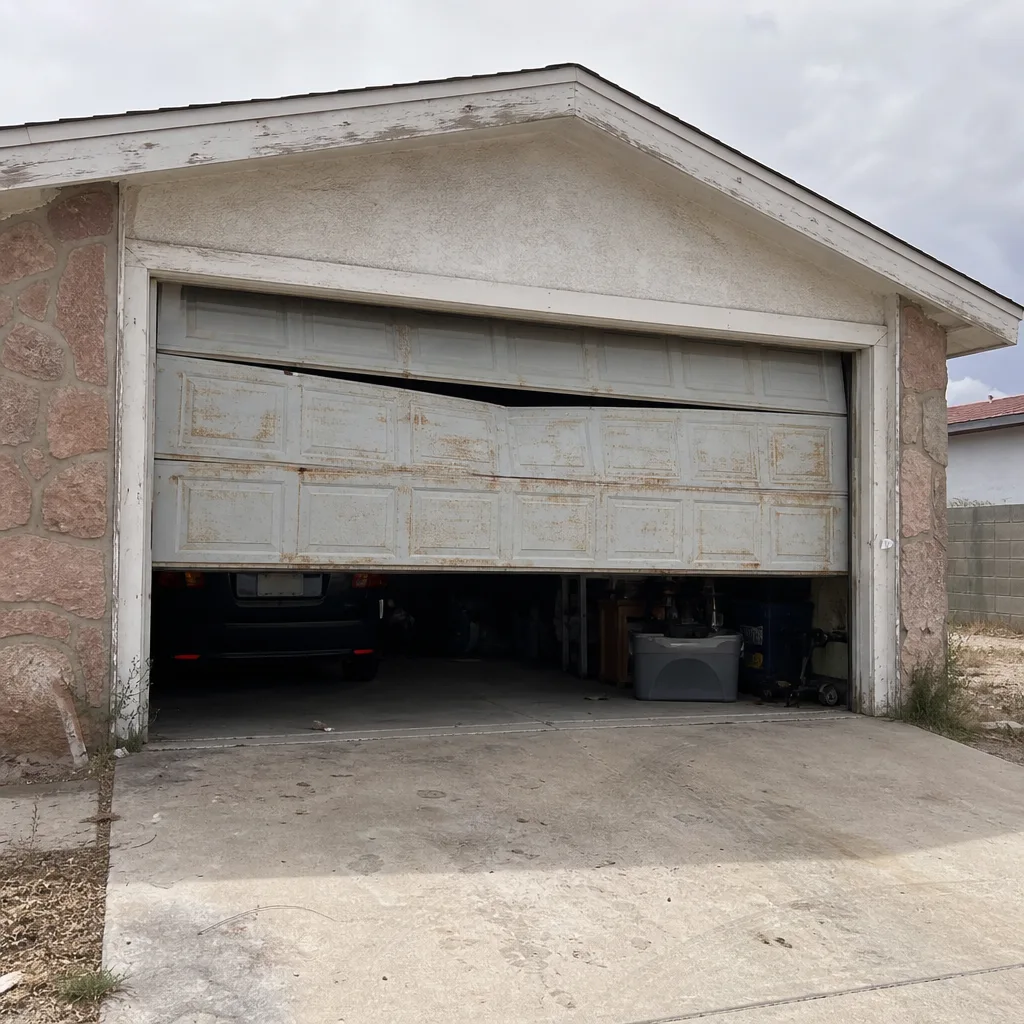 Before
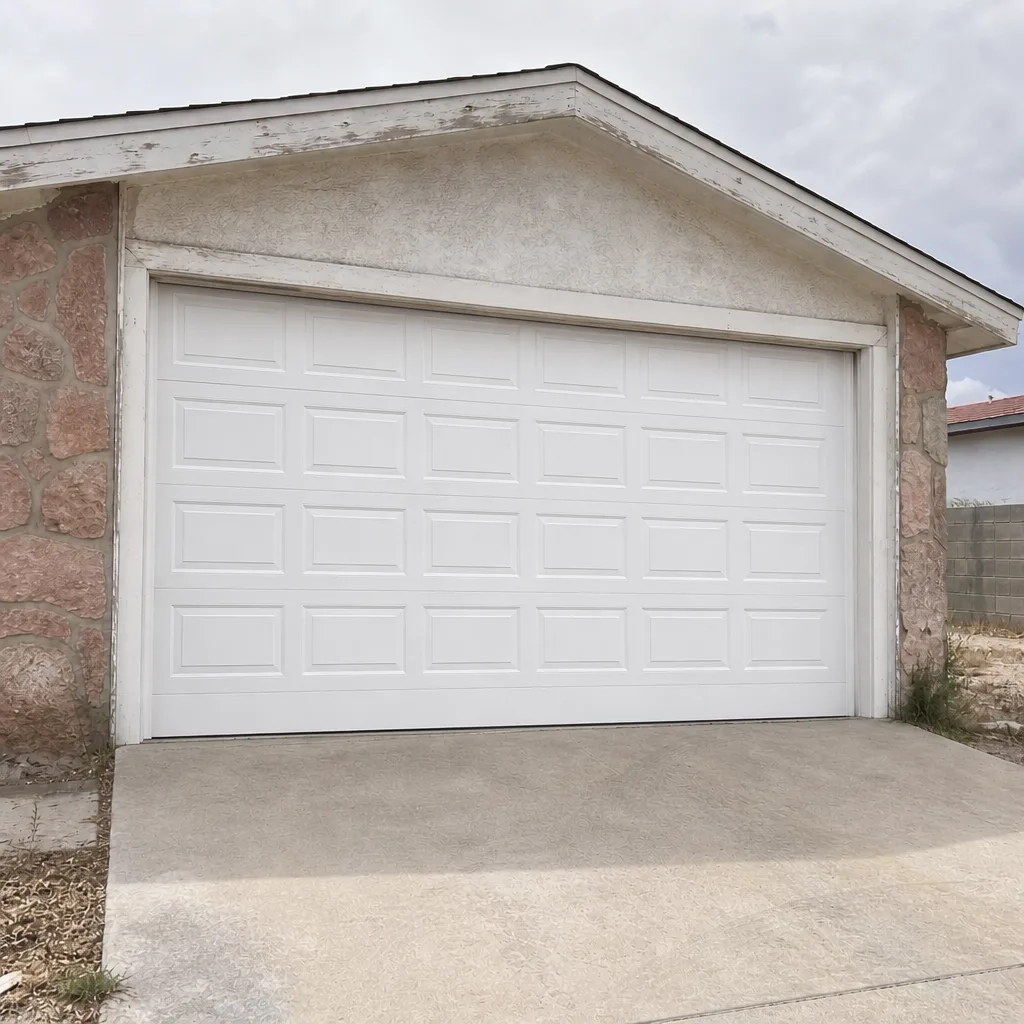 After
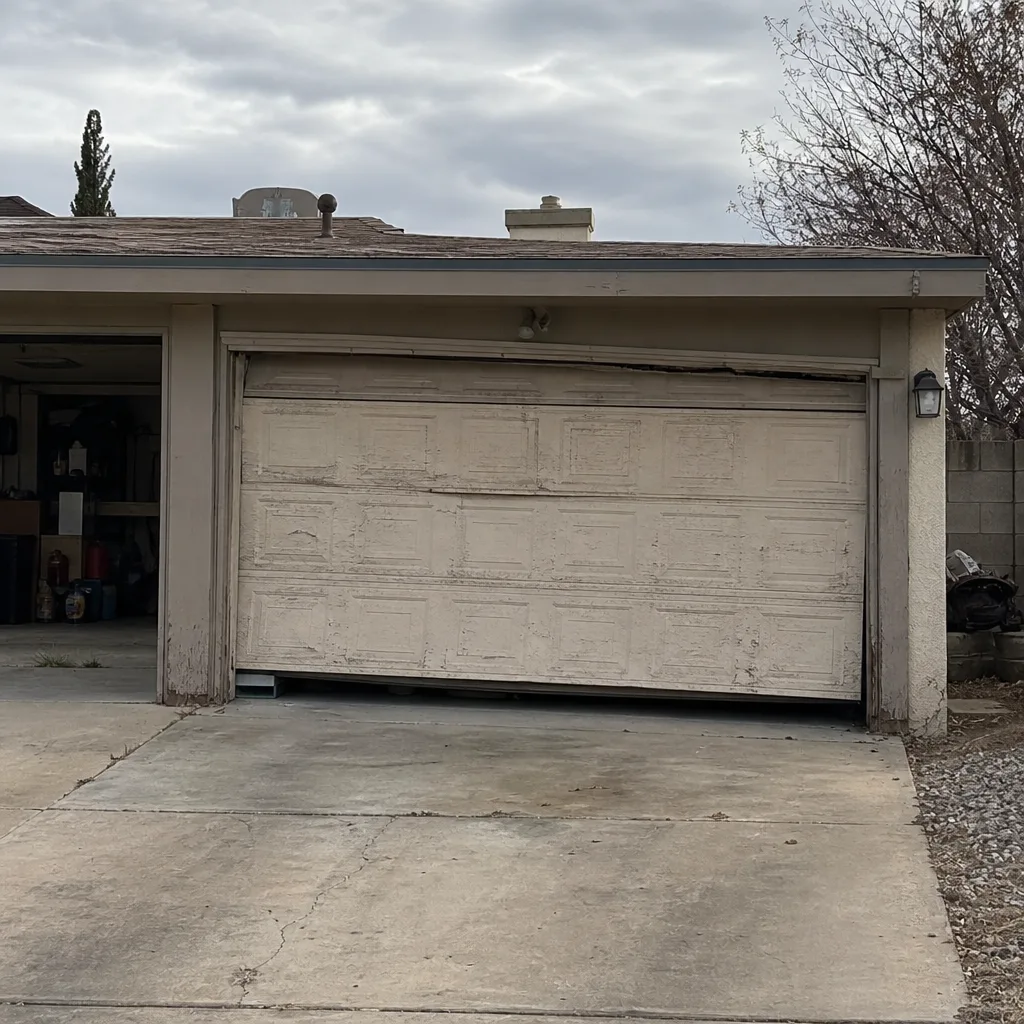 Before
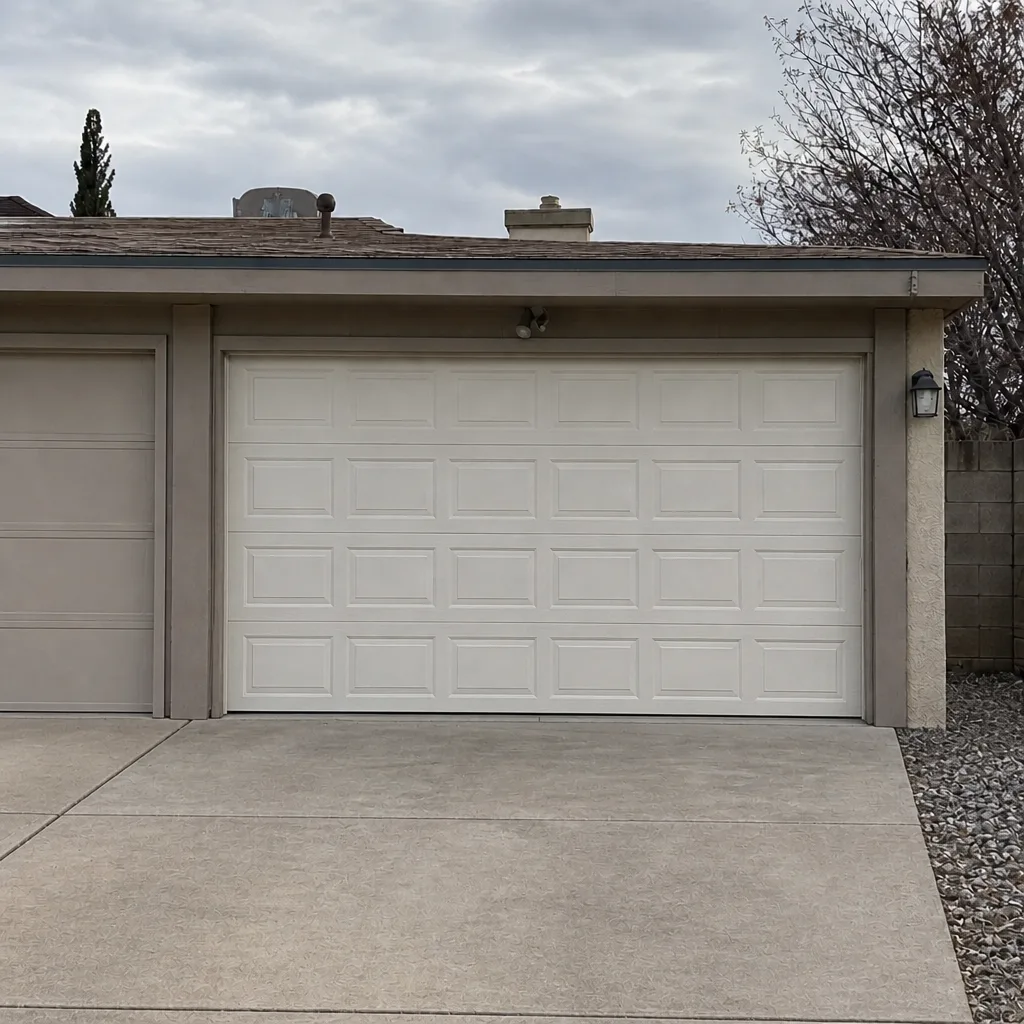 After
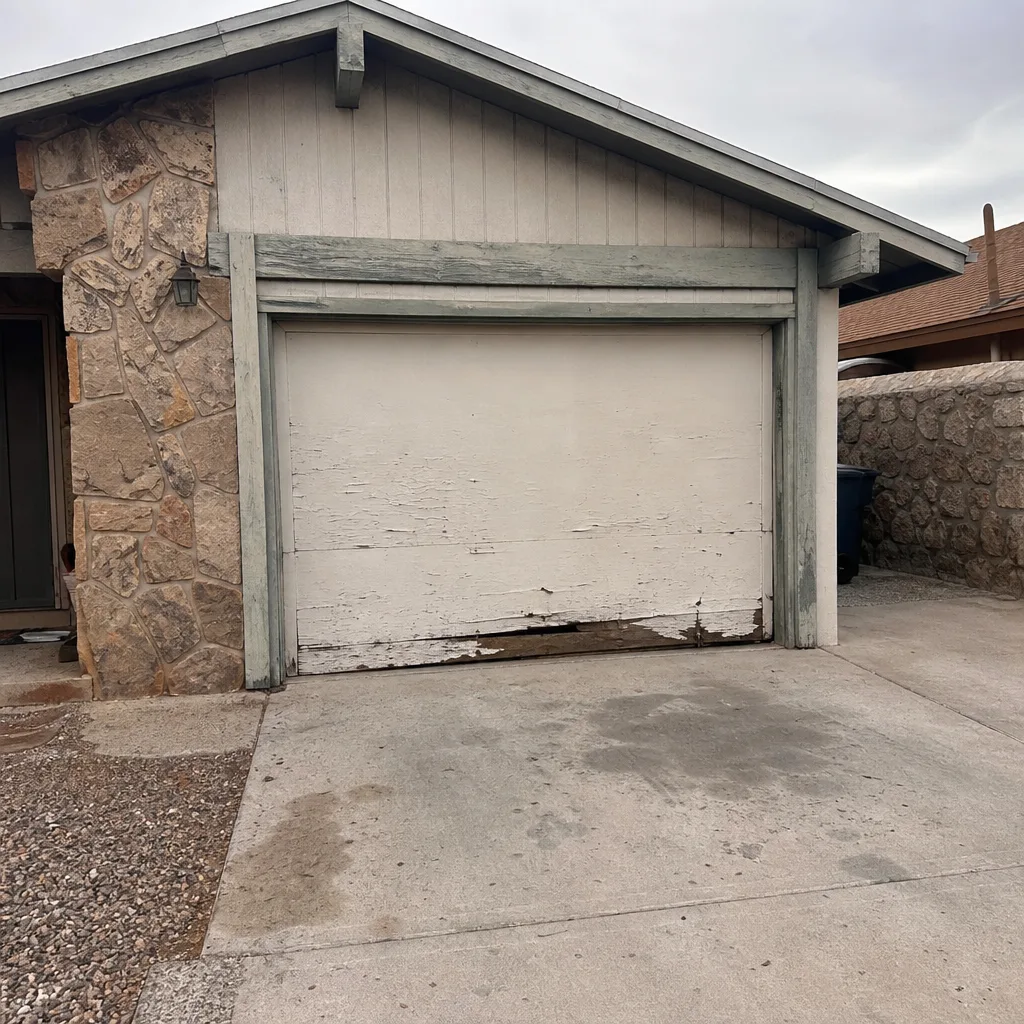 Before
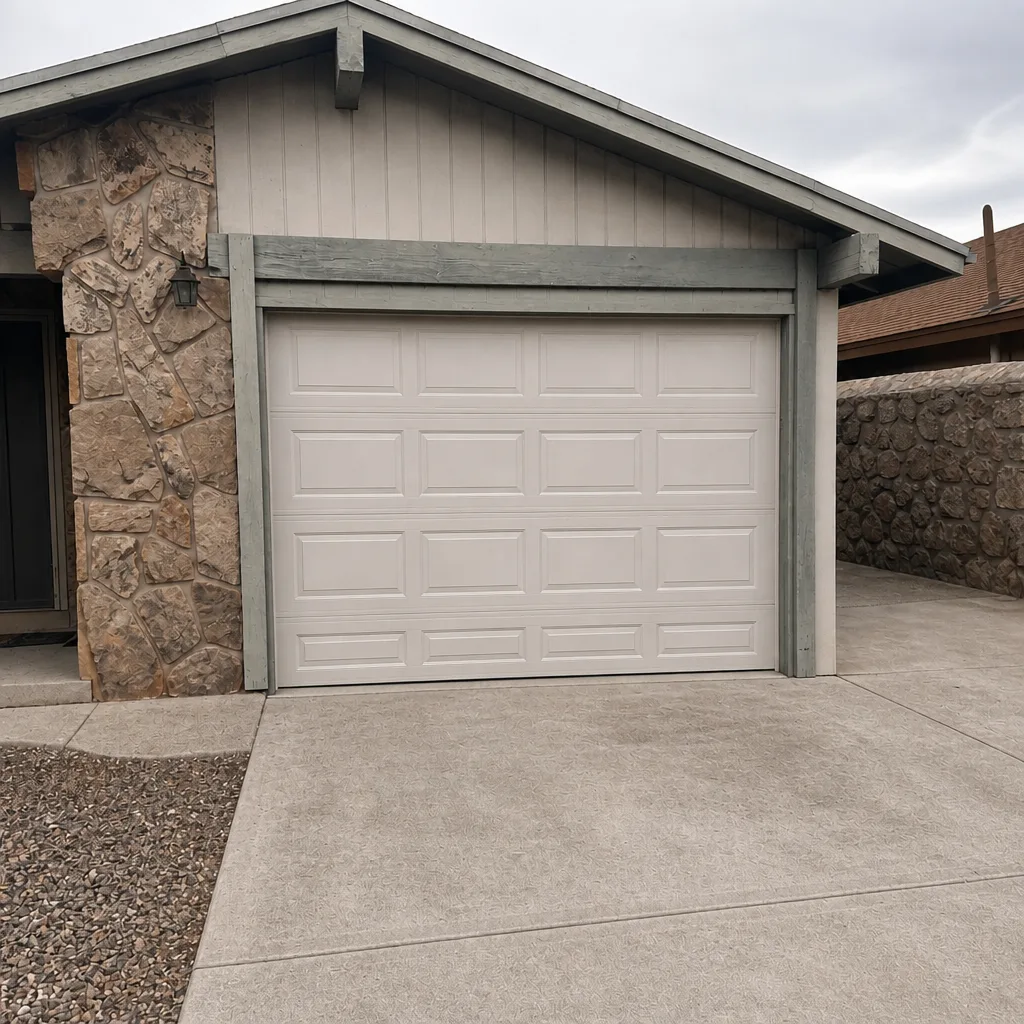 After
When to Call a Professional
Call a professional when the door won’t move by hand, when a spring has visibly broken, when a cable has come off the drum, when the door is stuck open and can’t be secured, or when the opener sparks, buzzes or trips the breaker. Those situations involve stored energy or house current, and a mistake can hurt you or damage the door further. Call us sooner if a vehicle is trapped inside or if the garage is open to the street. El Paso Garage Door Service offers free estimates in El Paso, and we handle the door and the opener together so you’re not tracking down two vendors. Call (833) 345-7126. We answer 24/7. Fast dispatch from 7am to 7pm, Sunday through Friday.
Frequently Asked Questions
Pull the manual release cord that hangs from the opener’s trolley and lift the door by hand. The cord is usually a red or T-handle rope near the motor head. Once it’s pulled, the door disconnects from the motor and moves freely, as long as the springs are intact. Call (833) 345-7126 if the door won’t lift by hand; that points to a spring or balance problem.
Clamp a pair of C-clamps on the vertical track just above a roller on each side of the door to create a physical stop. Then call us with the door’s position and the opener brand. We answer 24/7, and a call outside dispatch hours is booked into the next opening, Sunday through Friday, 7am to 7pm. Don’t use a chair or a block of wood as a stop; those slip.
Only if the door lowers by hand without strain and stays balanced when you let go. If it feels heavy, wants to slam, or rises unevenly, stop and call a technician. Never pull on a cable or a bottom bracket to close a door; those parts are under tension and cause serious injuries. Call (833) 345-7126 for a free estimate; the written quote is the price.
A power surge from the storm most likely damaged the opener’s logic board or the wall control. The door itself may be fine. Check the outlet and the breaker first, then call us with the opener’s brand and model so a technician arrives with the right part. A surge protector on the outlet helps prevent a repeat.
Yes. Our technicians are licensed and insured, and they have up to 8 years of experience. We work on doors and openers together, across the eight brands we service, so you’re not passed to another vendor when the failure touches both halves of the system. Call (833) 345-7126 for an exact quote; estimates are free.
No. We quote the job and agree the price with you before any work starts, and the written estimate sets the final price. Emergency and same-day work isn’t priced higher; the estimate is the same per job. Call (833) 345-7126 to get a written price for your repair.
The Bottom Line
The homeowner who does best in a garage door emergency isn’t the one with the newest opener. It’s the one who knows where the release cord is, keeps two C-clamps in the garage, and can tell a technician the brand and the failure mode on the phone. Run the checklist before storm season, leave the springs and the wiring to a trained professional, and secure a stuck-open door with a clamp on the track rather than something that slides. When the door won’t move, won’t close, or smells like burning, call us with the details so we can bring the right part. Call (833) 345-7126 for a free estimate. We answer 24/7. Fast dispatch from 7am to 7pm, Sunday through Friday.
Written by the team at El Paso Garage Door Service.