
Last updated November 15, 2026
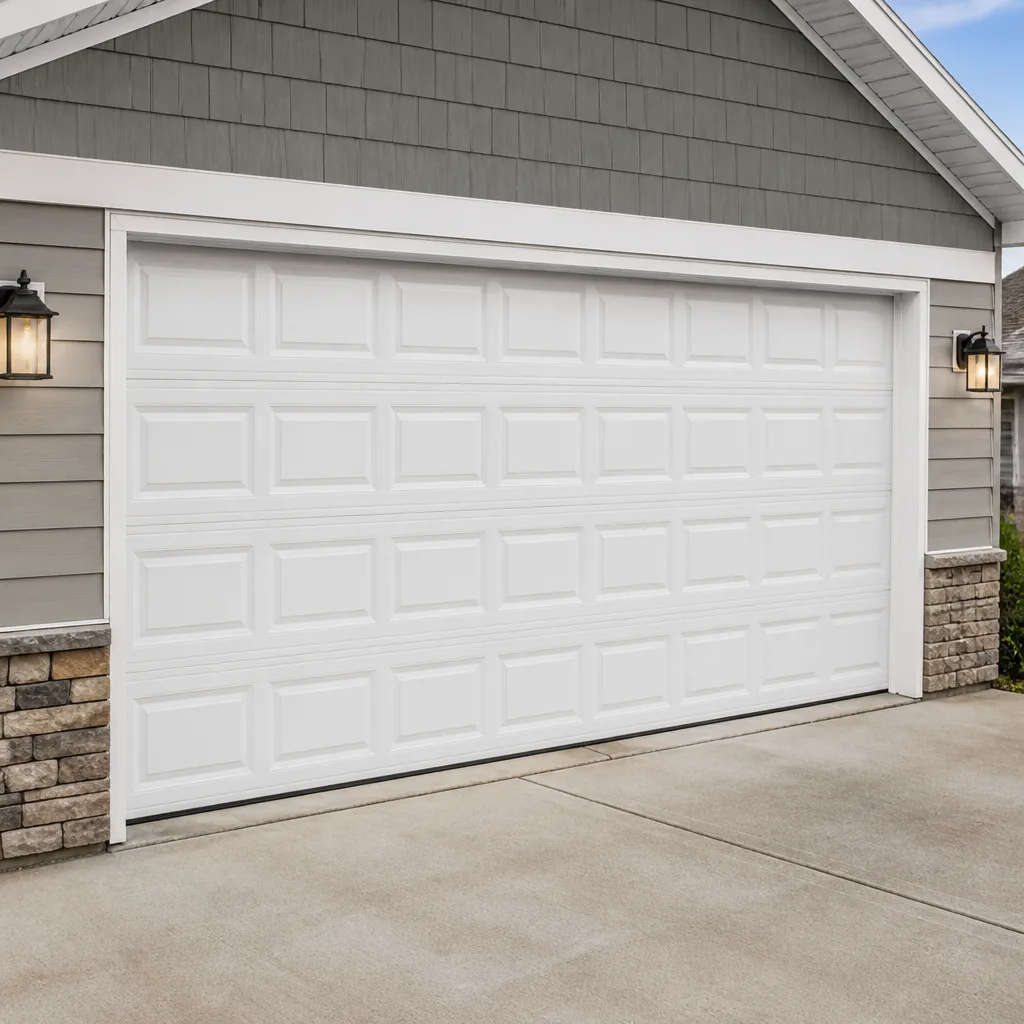 Raised-panel steel
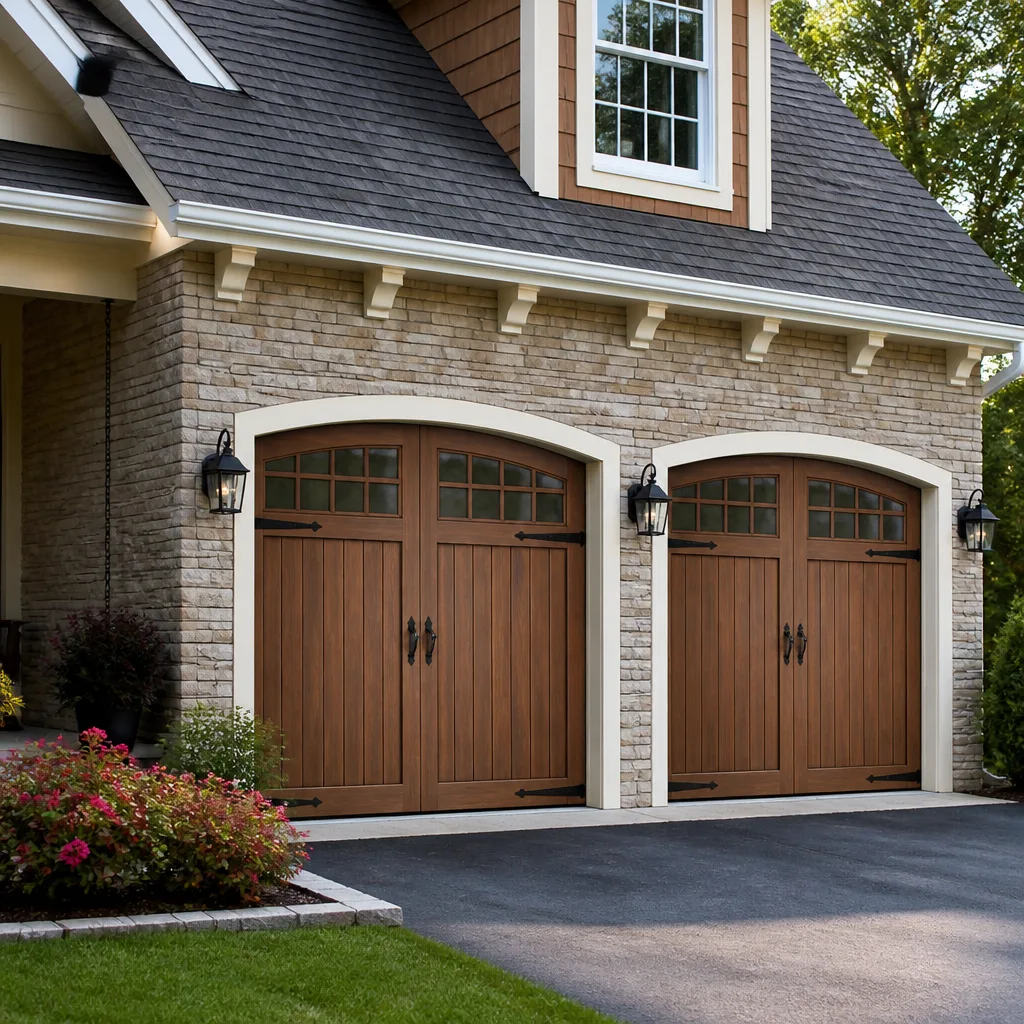 Carriage house
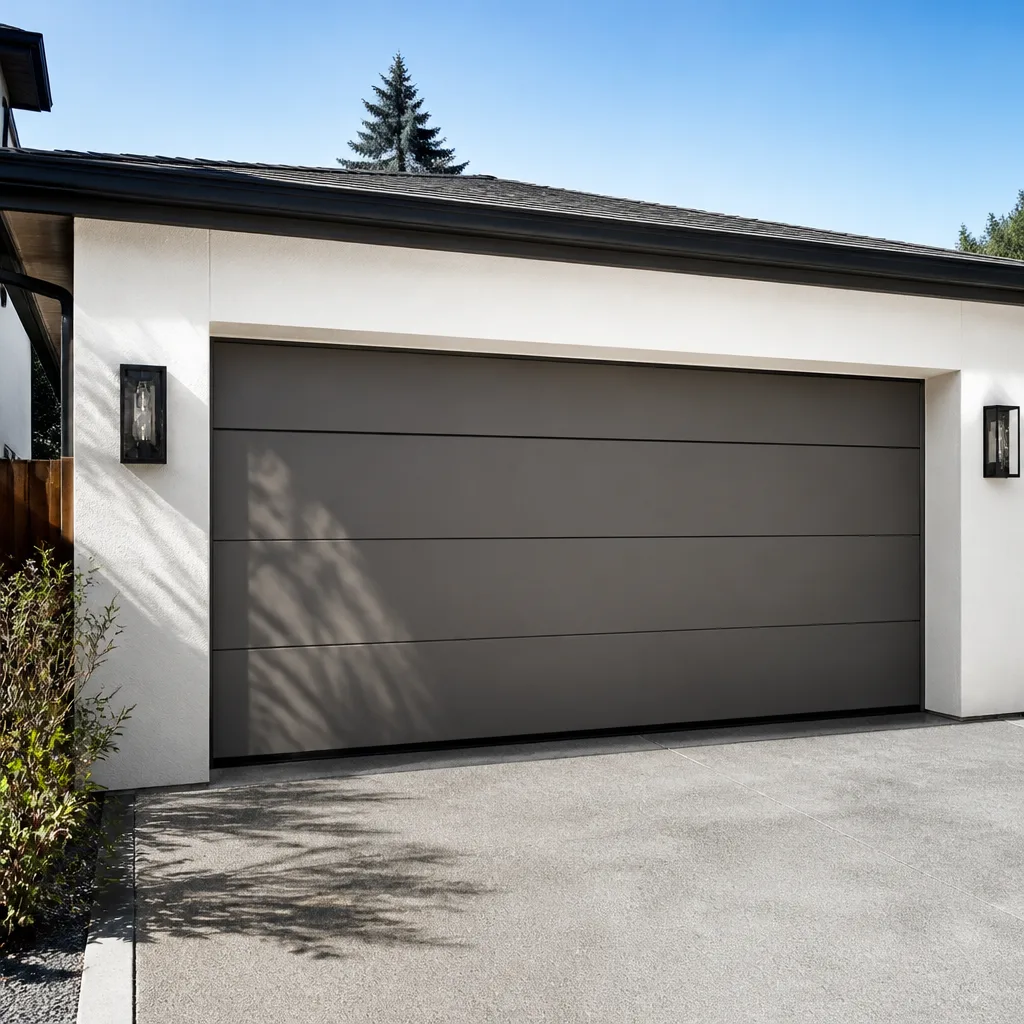 Modern flush
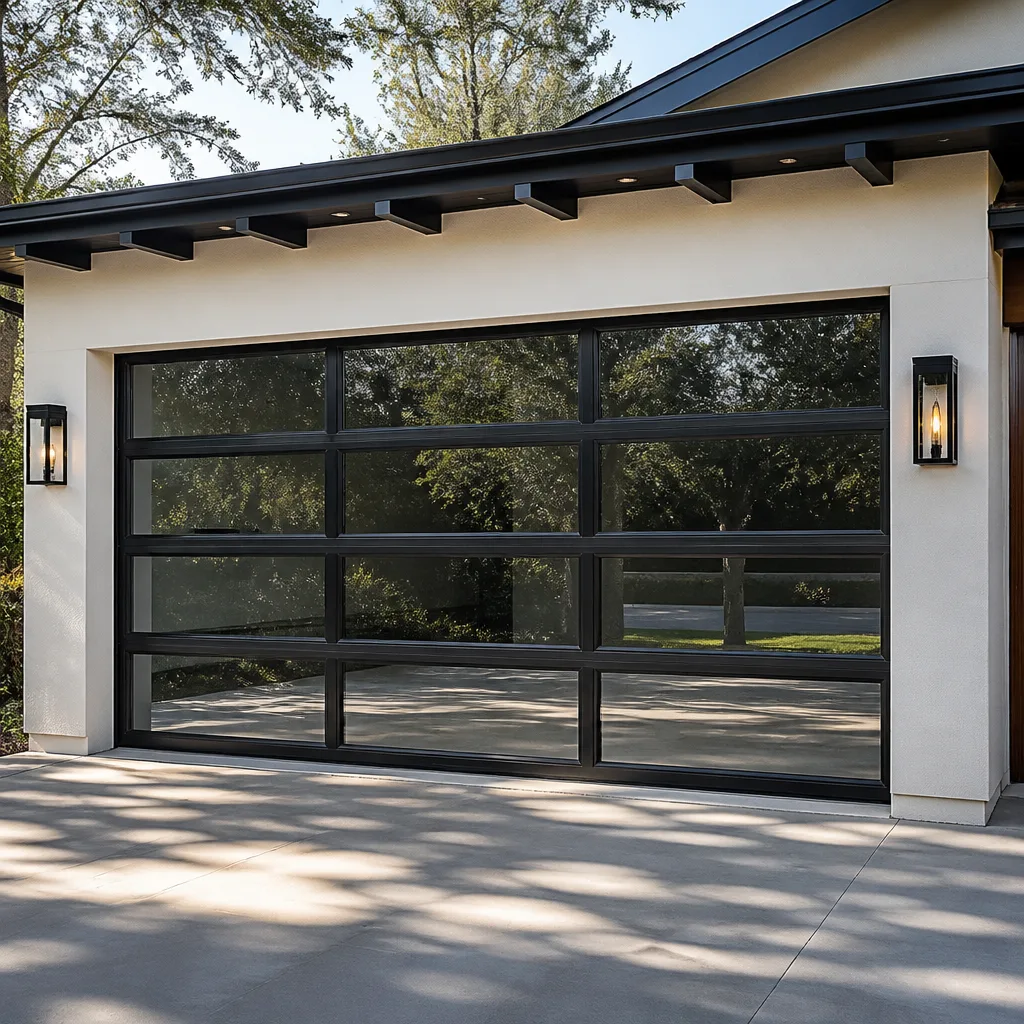 Full-view glass
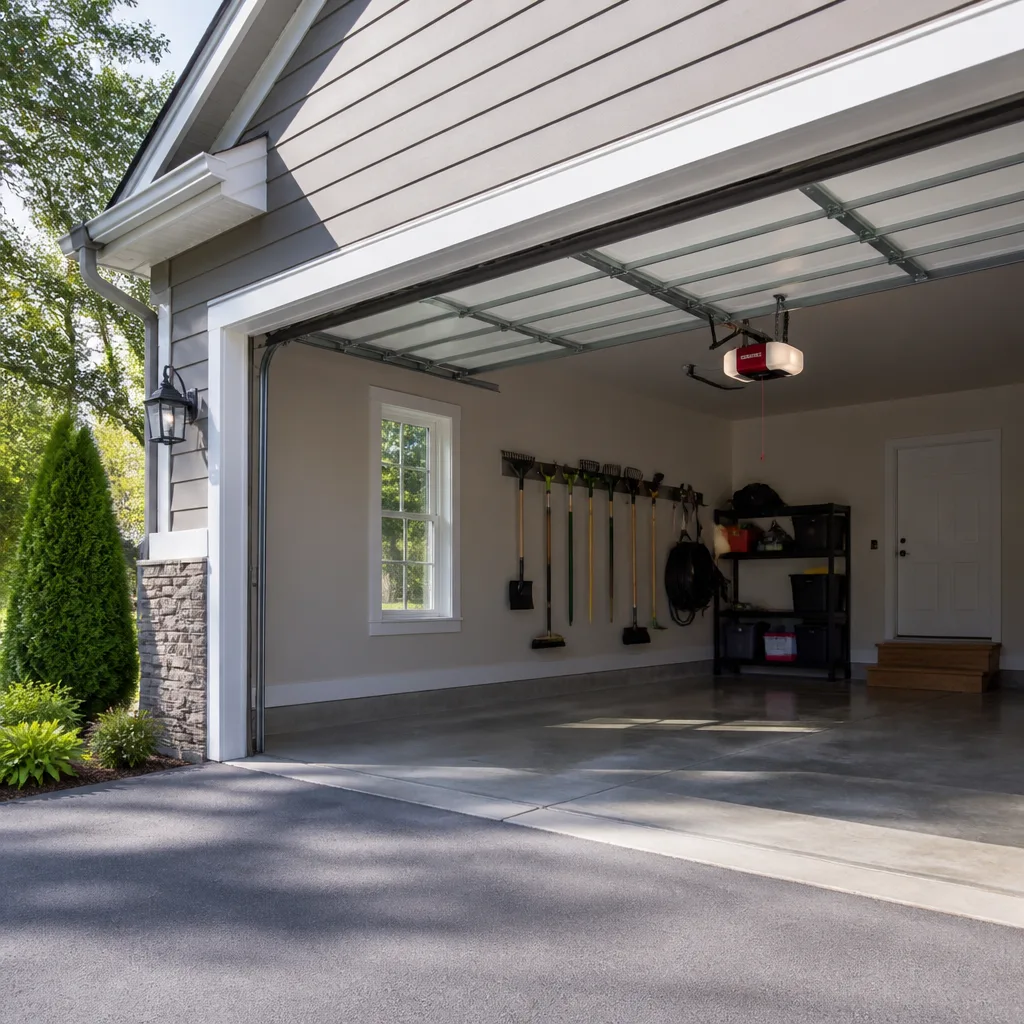 LiftMaster openers
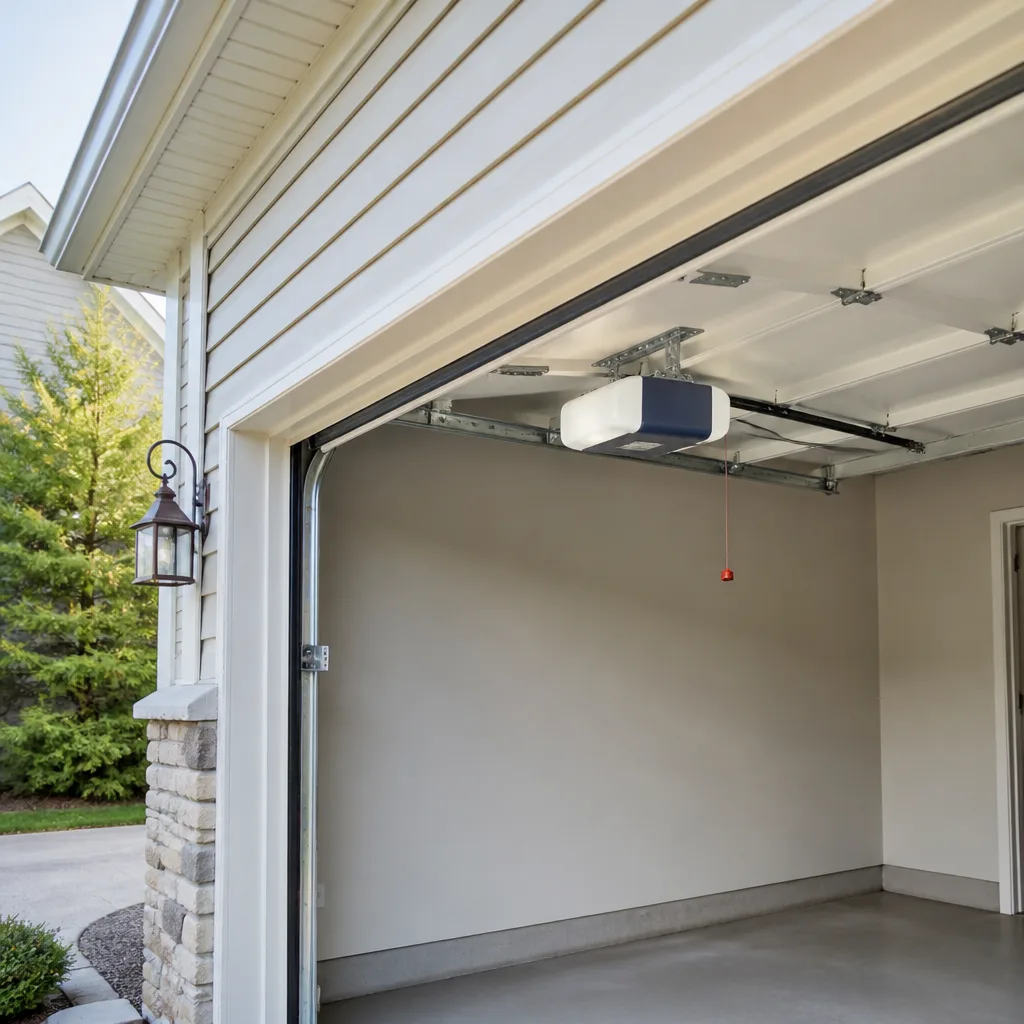 Chamberlain openers
Full 25-point door and opener safety check with every visit - springs, cables, rollers, tracks, and your LiftMaster or Chamberlain opener included
You get a price before we start. It does not change when the pro arrives.
Get your free estimateGarage Door Repair Maintenance Checklist for El Paso Homeowners
Nearly every maintenance checklist you’ll find online starts with lubrication. That’s not wrong, but it misses the bigger problem in this desert climate. What actually ages the doors we service is spring metal fatigue from thermal cycling – a garage that swings from a cold morning to a hot afternoon every day, all year, puts more wear on the springs than any humidity ever could. A door that cycles 4 times a day through that kind of temperature range accumulates stress faster than you’d expect. This guide is built backward from the failures we actually see in El Paso, so you’re checking the things that break here first. By the end, you’ll have a visual inspection routine, a balance test, and a cycle log that turns spring replacement into something you plan for instead of something that surprises you.
Quick Answer
A garage door maintenance checklist for El Paso should prioritize spring inspections, balance testing, track and roller cleaning, and UV-sensitive weatherstripping checks – in that order – because dry heat and daily temperature swings break metal and seals faster than humidity-driven rust. Check springs and balance monthly, clean and lubricate tracks and hardware every few months, and inspect weatherstripping every 18 months. Lubrication matters, but it’s not the first thing to check.
Styles & brands we work with
- Raised-panel steel
- Carriage house
- Modern flush
- Full-view glass
- LiftMaster openers
- Chamberlain openers
Table of Contents
- Why Springs Come First: UV, Heat, and Metal Fatigue
- Testing Door Balance with a Manual Disconnect
- The Right Lubricants for El Paso Heat and Dust
- Weatherstripping Intervals for Desert UV
- Tracks, Rollers, and Hinges: The Dust Grind
- Opener Checks That Save Motor Wear
- Building a Cycle Log by Season
- What a Professional Is Actually Checking
Why Springs Come First: UV, Heat, and Metal Fatigue
If you own a garage door in El Paso, the torsion spring above the door is the part most likely to fail first, and it’s the part most homeowners check last. Springs don’t rust out here the way they do in humid climates. They fatigue. Each open-close cycle flexes the coils, and heat accelerates the wear on the oil-tempered steel. Add the daily temperature swing and the hours of direct sun a west- or south-facing garage takes, and you get a spring that weakens slowly and then snaps without warning.
You can’t measure the stress inside the steel, but you can look for the tell that comes before a break: a coating that’s dried out, chalky, or flaking. Garage door springs come from the factory with a coating that slows corrosion and retains lubricant. UV exposure degrades that coating over time, and once it goes, the metal is exposed to dust and dry air with no protection. On a Clopay or Amarr door, springs are typically mounted on a torsion bar across the top; on some Wayne Dalton systems you’ll see a different configuration at the header. Either way, the inspection idea is the same.
A visual spring inspection in 4 steps
- With the door fully closed, look up at the torsion bar and springs from the ground. Use a flashlight – don’t climb.
- Check the coating for chalky white or gray patches, flaking, or visible bare metal.
- Look for a visible gap in a coil. A snapped spring shows a clear break.
- Note any change in how the door feels: heavier, uneven, or slow to lift at the start.
Do not touch, adjust, or try to wind a spring. Torsion springs are under extreme tension and can cause serious injury if handled without the right tools and training. A visual inspection is safe; anything beyond that belongs with a trained technician.
Testing Door Balance with a Manual Disconnect
A balanced door takes almost no effort to lift partway. An unbalanced door makes the opener work overtime on every cycle, and that’s where most premature opener failures start. Testing balance is one of the few checks a homeowner can do safely, and it takes about two minutes.
Most openers have a manual release – a red pull cord or handle hanging from the rail. Pulling it disconnects the door from the operator so you can move it by hand. Before you start, make sure no one is under the door and that the door is fully closed.
How to test balance
- Pull the manual release cord to disconnect the opener.
- Lift the door by hand to about halfway and stop.
- Let go. A balanced door should hold its position with almost no drift.
- Lift it to about three-quarters open. It should feel smooth and light, not heavy or stiff.
- Lower it and check the closing motion for pauses or sudden speed changes.
What counts as acceptable? A door that drifts up or down a little from the halfway point is normal. A door that slides down on its own, needs real effort to lift, or slams shut under its own weight is out of balance. That’s usually a spring or cable issue talking, and the fix is a technician’s call. If you’ve been pushing a hard-to-lift door for months, you’ve also been overworking the opener motor, which is why we look at both at once.
The Right Lubricants for El Paso Heat and Dust
Here’s where a lot of well-meaning advice goes sideways. The wrong lubricant in this climate can do more harm than none, because the fine desert dust blows against everything and sticks to anything tacky. A thick grease that works fine in a humid climate becomes a dust magnet on a garage door track in El Paso, and the resulting paste grinds rollers and hinges faster than dry metal would.
What we recommend and why
- Silicone spray – the default for tracks, rollers, hinges, and the torsion bar. It’s dry, it doesn’t collect dust, and it holds up to heat. Apply lightly, then wipe off the excess.
- White lithium grease – good for the opener’s rail and gear area, and for the pivot points where a bit more film is needed. Use it sparingly and keep it off anything that rolls.
- Chain-drive opener chains – a purpose-made chain lubricant. On a LiftMaster or Chamberlain chain-drive unit, a light application keeps the chain moving quietly; too much and you’ll have a dust-coated chain within weeks.
Never use WD-40 as a long-term door lubricant. It helps for a day or two, then evaporates and leaves the metal dryer than before. Never grease the tracks themselves – the door rides on rollers, and grease on the track just collects dirt.
How often? In El Paso, clean tracks and lightly lubricate every 3 to 4 months, and after any dust storm that leaves grit on the rails. If your door is on a Genie or Craftsman opener with a screw drive, follow the manufacturer’s manual for the drive – it’s the exception to the general chain-and-rail rule.
Weatherstripping Intervals for Desert UV
The standard advice says inspect your garage door seals every three years. That’s fine for a mild climate. In El Paso, where the sun is direct and the UV is intense for most of the year, weatherstripping typically needs checking every 18 months. Rubber and vinyl dry out faster here, and once a bottom seal cracks, you’re letting in dust, insects, and the summer heat that makes your garage the hottest room in the house.
There are three places to check:
- The bottom seal – the rubber flap along the bottom of the door. Run a hand along it and look for cracks, brittleness, or sections that no longer touch the floor. A hard, shiny, or chalky surface is dry-rot.
- The perimeter seals – the vinyl or brush strips along the sides and top. Look for gaps at the corners and any section that’s pulled away from the frame.
- The threshold – the floor strip the door meets. Cracks or gaps here let in dust and heat.
Replace seals with the same profile the door was built around. Clopay and Amarr doors, for example, use specific bottom seal profiles, and the wrong seal can bind the door or fail within a year. Seals are a job most homeowners can handle, but if you’re not sure of the profile, that’s a quick call.
Tracks, Rollers, and Hinges: The Dust Grind
Fine desert dust gets into every moving part on a garage door. The vertical and horizontal tracks collect it, the rollers grind it into the rail, and the hinges wear it into their pivot points. When you hear clicking, squeaking, or scraping as the door moves, that’s usually grit doing its work.
Monthly track and hardware routine
- Wipe the inside of both vertical and horizontal tracks with a dry cloth. Don’t use grease or oil.
- Check the tracks for dents or bends. A dented vertical track will make the door wobble and eventually jump out of the rail.
- Look at the rollers. Steel rollers wear flat and get noisy; nylon rollers last longer and are quieter. If they wobble or show flat spots, replace them.
- Apply a light spray of silicone to the rollers, hinges, and the pivot on the top of the door. Wipe off any drips.
- Check the hinges at each panel joint for loose screws. Snug them up, but don’t over-tighten – panel material is thin.
One thing to leave alone: the bolts on the torsion bar. They’re under tension, and the wrong adjustment can unload a spring unexpectedly. A door that has started wobbling side to side or jumping in the track usually needs a professional to realign the panel or reset the track. That’s a garage door repair job, not a DIY one, because a misaligned door also stresses the opener and can tear up the panel edges.
Opener Checks That Save Motor Wear
The opener is the part most homeowners notice only when it stops. But the wear that kills a motor is usually invisible until the door stops responding. Every extra pound the door carries – from an off-balance spring or a dry hinge – adds resistance the motor has to push through, cycle after cycle. That’s why we test the door first and the opener second.
What to check on the operator
- Force and travel settings – if the door reverses on its way down for no clear reason, or pushes too hard into the floor, the force limit has likely drifted. Most LiftMaster, Chamberlain, and Craftsman units have adjustment screws or a digital menu for this. Reset per the manual.
- Safety sensors – the two electric-eye sensors at the bottom of the door. Wipe the lenses and confirm the indicator light is steady, not blinking. Dust or a misalignment here is one of the most common service calls in El Paso, and it’s a quick fix.
- Battery backup – if your opener has one, test it periodically. Batteries age faster in heat, so a unit in an El Paso garage gets more fatigue than one in a cool climate.
- Chain or belt tension – a sagging chain or a slipping belt means the opener is working harder than it should.
- Smart-home connection – if your opener is app-connected, check that it still responds after a software update or a router change.
If the door runs fine by hand but the opener strains or stalls, that’s an opener problem – not necessarily a door problem. Our garage door opener repair covers the full operator, from standard chain-drive units through the smart-drive models you’ll find on newer homes, and we can usually tell you in one visit whether the issue is the motor, the logic board, or the door hardware it’s pushing.
Building a Cycle Log by Season
Most homeowners replace a spring in a panic because they didn’t see the wear coming. A simple cycle log changes that. You don’t need an app – a notebook taped to the garage wall or a note on your phone works. The point is to track how often the door opens, what season it’s in, and how the door feels, so you can spot the trend.
What to log
- Daily cycles – roughly how many times the door opens and closes on an average day. A family that leaves and returns three times each and parks once typically cycles around 4 to 6 times a day.
- Season – winter, spring, summer, fall. El Paso’s seasons are mild, but the summer heat matters most for spring stress and seal wear.
- Observations – “feels heavier than last month,” “squeak on the left side,” “bottom seal looks dry,” “opener seems slower.”
- Date of last lubrication – so you know when the next one is due.
- Date of last balance check – monthly is the goal, but noting any drift is the key value.
What you get out of this: a running count of cycles that tells you when the spring is getting near the end of its normal life, and a written record to show a technician so they don’t have to guess. Springs have a rated life in cycles, not years – so a household that cycles the door 6 times a day will wear a spring out faster than one that parks outside and cycles twice a week. That’s not a scare tactic; it’s just how springs work.
What a Professional Is Actually Checking
A lot of maintenance guides are written for someone with a full afternoon free. If you enjoy the small stuff, the checks above are a good routine. But there’s a limit to what you can do safely from the floor, and a professional visit covers the parts that fail without warning.
When a technician inspects a door, they’re looking at:
- Torsion and extension springs for coating wear and coil condition
- Cable condition and drum wear
- Track alignment, including the horizontal tracks and the opener rail
- Roller and hinge wear, plus any binding at panel seams
- Door balance and travel
- Opener force settings, sensor alignment, and safety reverse test
- Weatherstripping condition and profile match
We service the door and the operator in a single visit, so you’re not waiting on two contractors to coordinate. And the recommendations are based on what your system needs, not on pushing a brand. We work on the system you already own – Clopay, Amarr, Wayne Dalton, LiftMaster, Chamberlain, Genie, Craftsman, Raynor – and if a repair is the right call, we say so. If a full El Paso Garage Door Service installation is what the door actually needs, we’ll talk through that too.
Common Mistakes to Avoid
- Lubricating the tracks themselves. The door rides on rollers, not on the track surface. Grease on the track collects desert dust and turns into a grinding paste that wears rollers and rail faster than a dry track ever would.
- Ignoring a slow-lifting door. A door that feels heavy on the first lift is telling you the springs are tired. Waiting until the door drops is how a spring replacement turns into a full-panel repair.
- Using WD-40 as a permanent fix. It helps for a day and then evaporates, leaving the hinge dryer than before. Use a silicone spray or light grease, not a solvent-based product.
- Skipping the balance check. If you only test the door by using the opener, you’ll never know the door has gone out of balance until the motor fails. A manual disconnect test catches it early.
- Sticking with a 3-year weatherstripping interval. UV in El Paso is harder on rubber than most of the country. Check every 18 months, especially on south- and west-facing doors.
- DIY-ing a spring replacement. Torsion springs are wound tight and can cause severe injury. This is one job that genuinely belongs with a trained professional.
- Replacing the opener when the door is the problem. If the door is heavy or binding, a new opener will have the same trouble. Diagnose the door first, then the opener.
See the difference
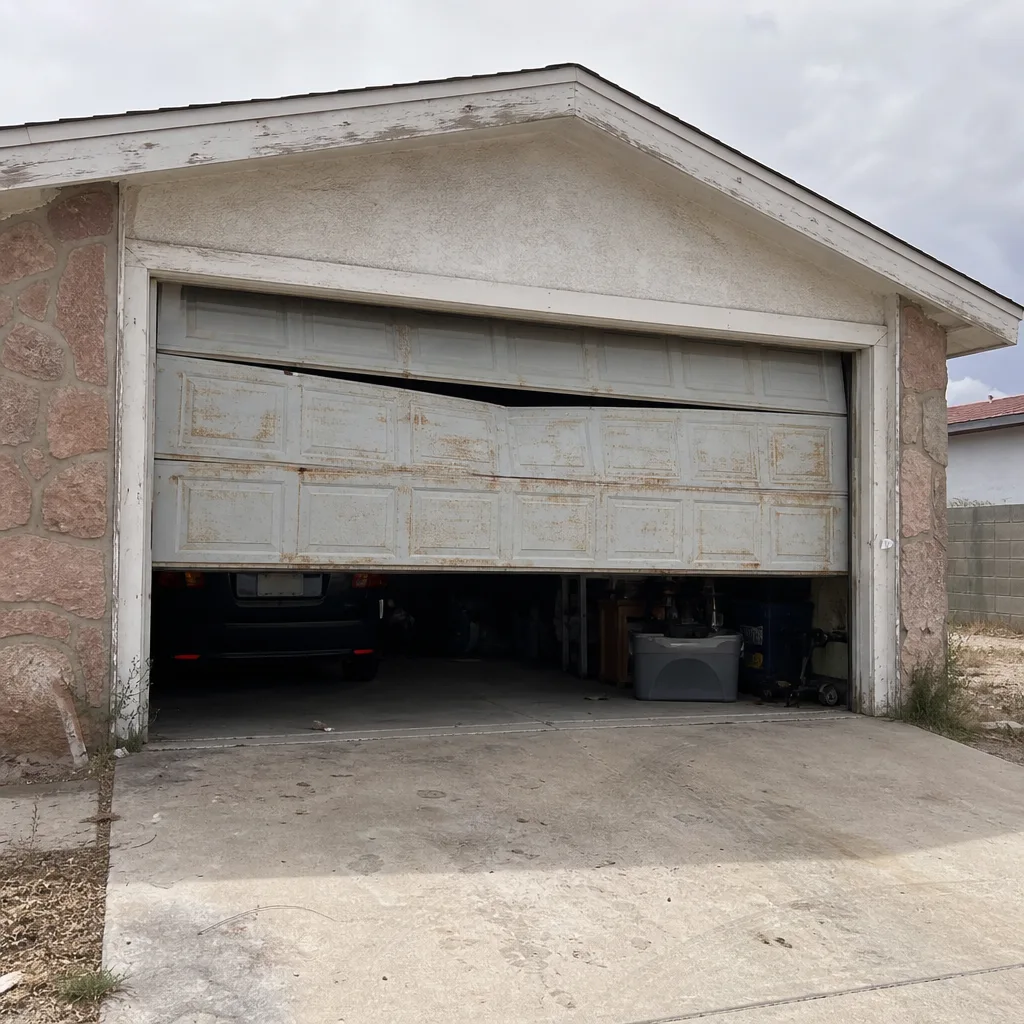 Before
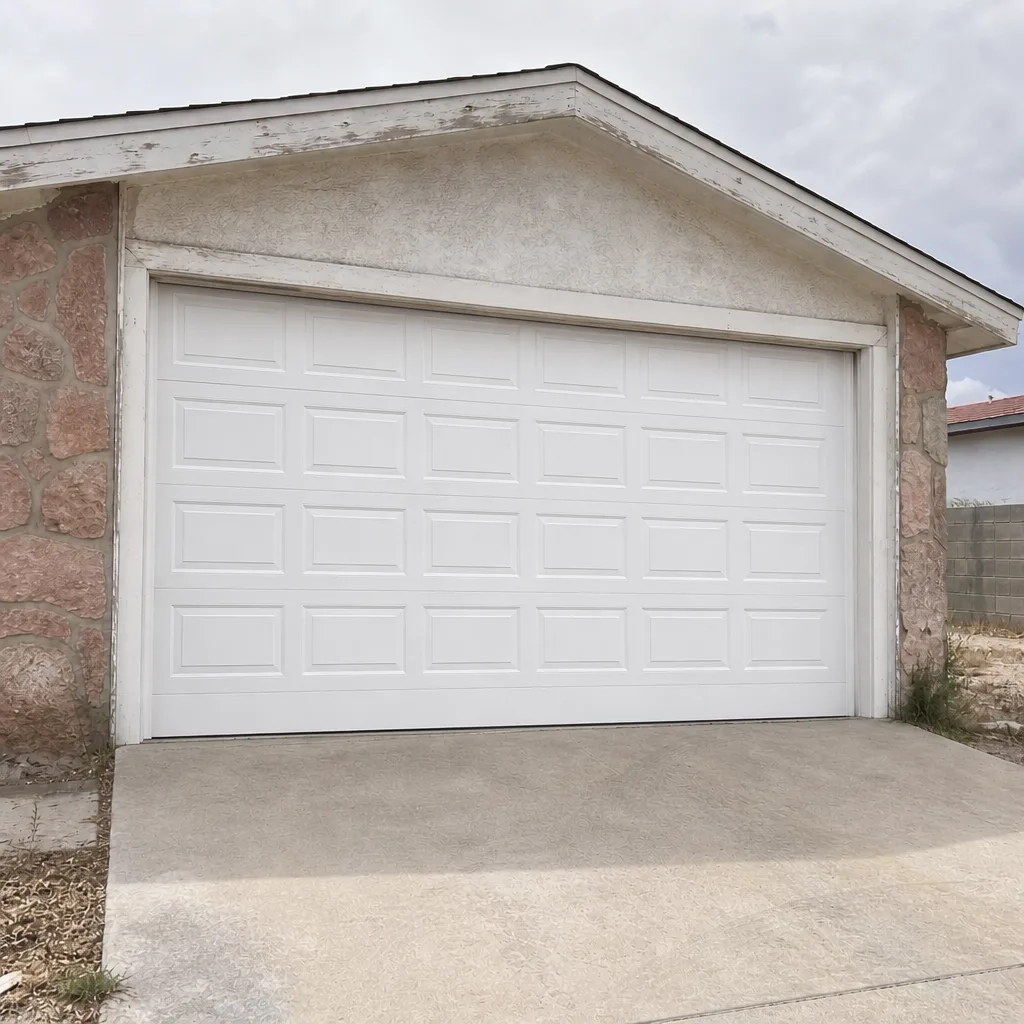 After
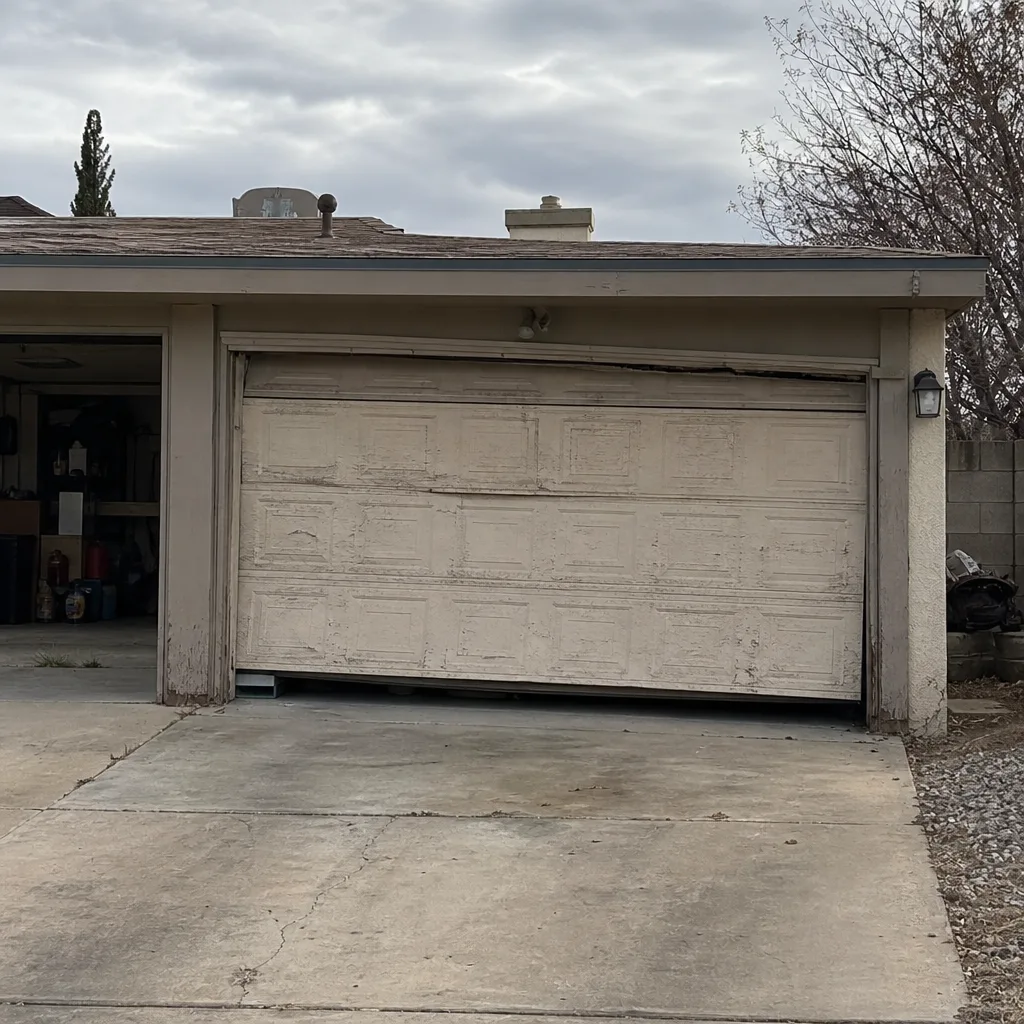 Before
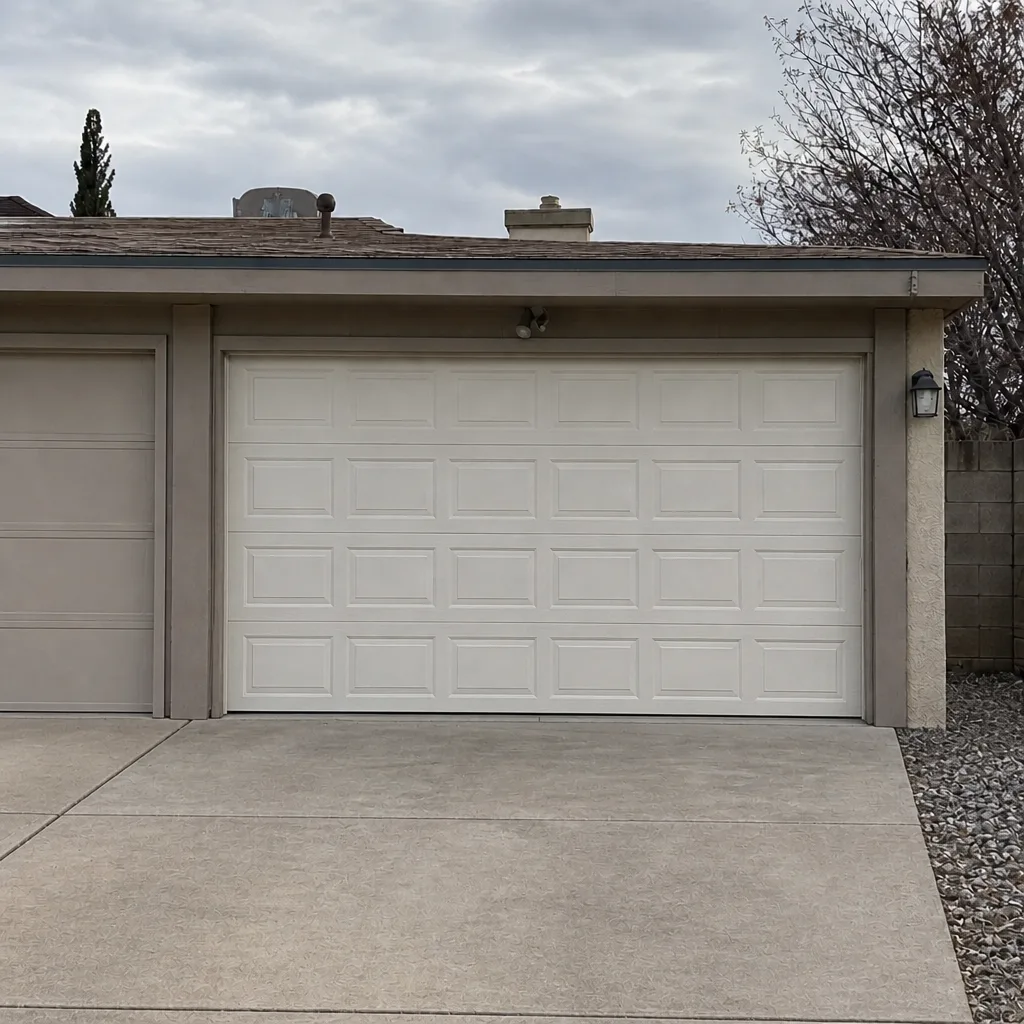 After
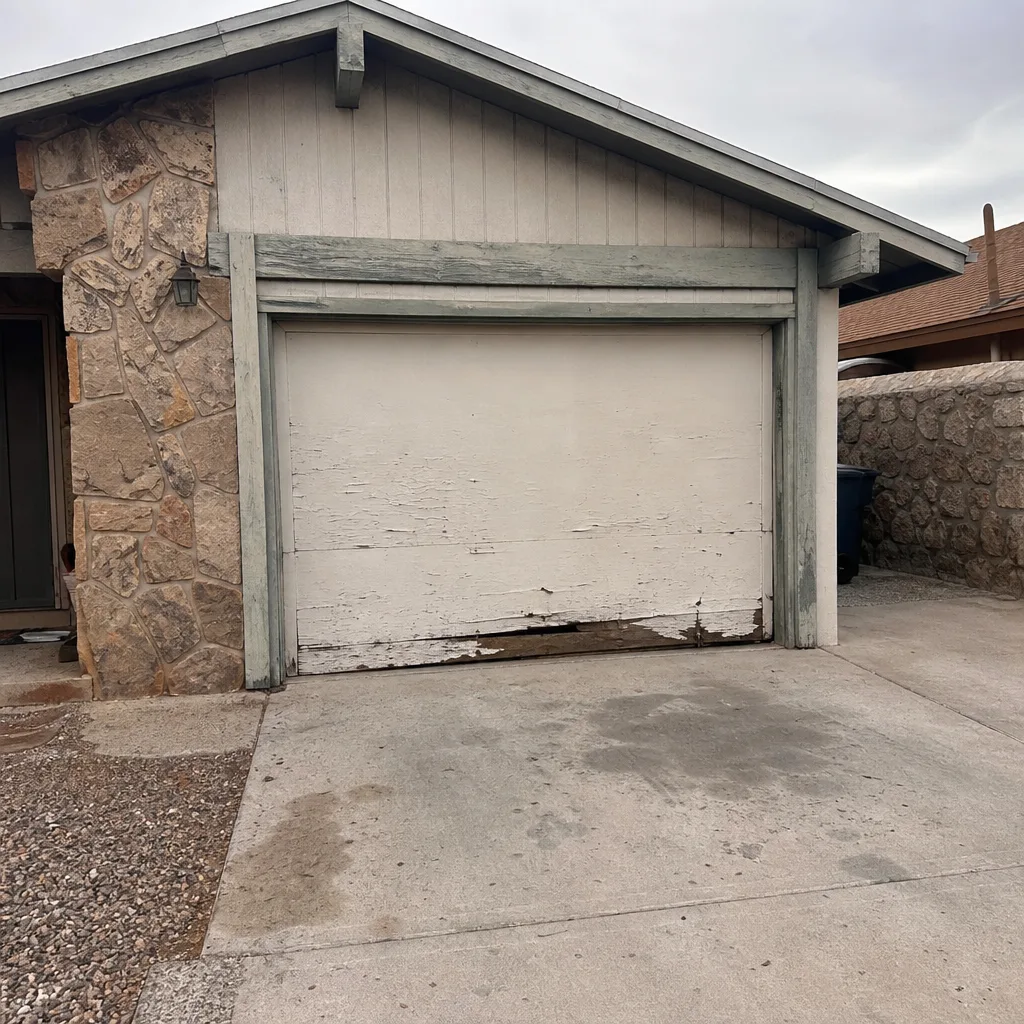 Before
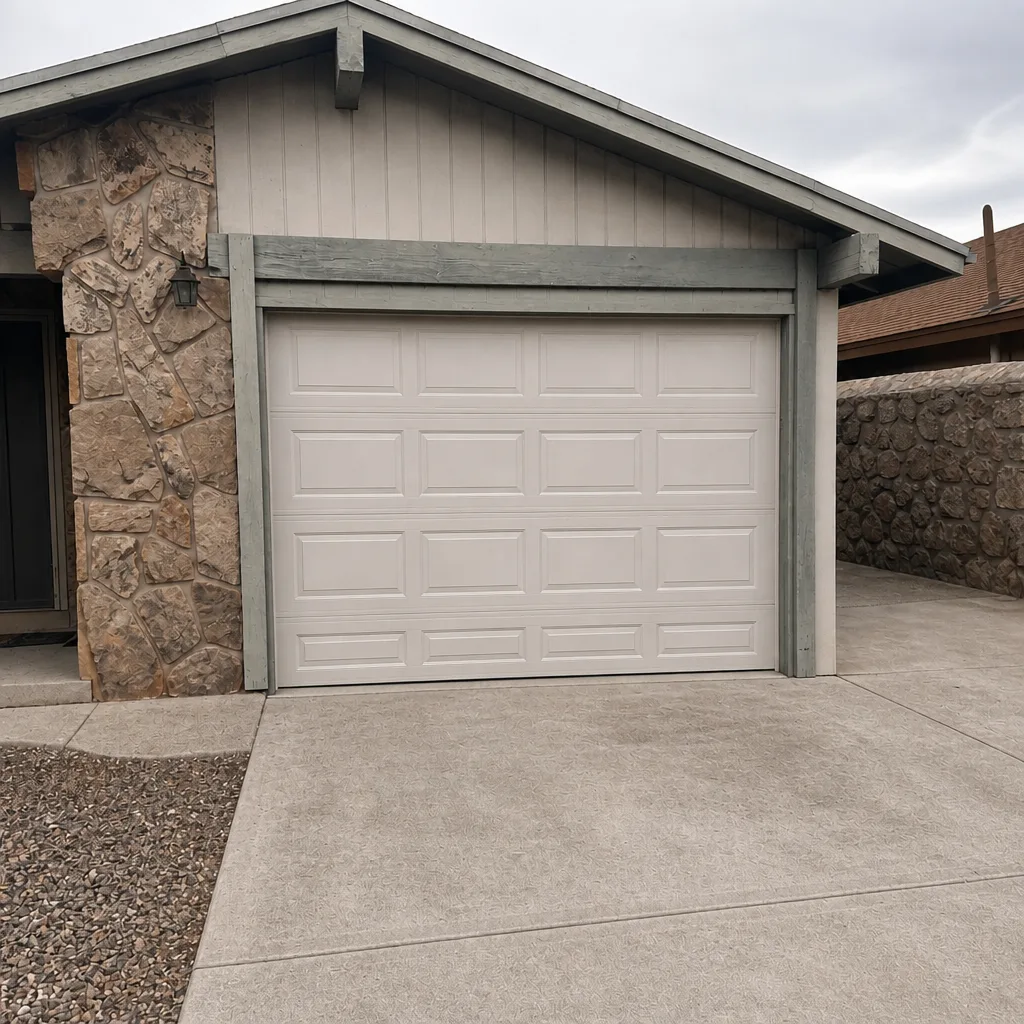 After
When to Call a Professional
Call for the parts you shouldn’t touch, and for the diagnosis you can’t make from the ground. That includes any spring, cable, or drum issue, a door that’s off its track or badly out of alignment, an opener that won’t reverse on command, or a door that has suddenly gotten much harder to lift. Other reasons: a door that jumps or wobbles in the track, a loud bang from the garage, and a panel that’s cracked or separating from the frame. El Paso Garage Door Service offers free estimates in El Paso, and we can tell you whether you’re looking at a repair or a full replacement. We answer 24/7, and fast dispatch runs 7am to 7pm, Sunday through Friday. Call (833) 345-7126.
Frequently Asked Questions
Do a visual inspection monthly, clean and lubricate the tracks and hardware every 3 to 4 months, check the weatherstripping every 18 months, and test door balance once a month. The desert heat and daily temperature swings wear on springs and seals faster than in a mild climate, so the intervals are tighter than the general advice you’ll find online. If your door is on an older opener, add a force and sensor check to your quarterly routine. Call (833) 345-7126 for an exact maintenance quote – estimates are free.
Silicone spray is the best default for tracks, rollers, and hinges because it’s dry and doesn’t attract the fine dust that blows into garages here. White lithium grease works well on the opener rail and hardened pivot points. Avoid WD-40 for long-term use and never grease the tracks – grease collects dust and grinds the rollers. If you’re not sure which product matches your opener, call (833) 345-7126 and we’ll tell you what to use on your specific unit.
Look for a chalky or flaking coating, a visible break in a coil, and a door that suddenly feels heavy or lifts unevenly. If the door balks at the halfway point during a manual balance test, the springs are suspect. Never test a spring by hand – inspect visually only, from the floor. A snapped torsion spring can cause serious injury, so any adjustment belongs with a trained technician. Call (833) 345-7126 and we’ll tell you what a spring inspection and replacement looks like on your door.
UV exposure breaks down rubber and vinyl faster in El Paso than most of the country, so a 3-year replacement cycle is too long here. Check the bottom seal and perimeter seals every 18 months, especially on a door that faces west or south. The signs are cracks, a shiny hardened surface, or sections that no longer touch the floor. A worn seal lets in dust, insects, and summer heat. Call (833) 345-7126 if you’re not sure of the profile your door needs – a mismatched seal will fail again within a year.
Yes. We service the door structure and the opener together so you’re not waiting on two separate contractors, and the inspection is coordinated because the two systems need each other. An unbalanced door strains the opener; a struggling opener masks a door problem. We work on Clopay, Amarr, Wayne Dalton, LiftMaster, Chamberlain, Genie, Craftsman, and Raynor, and we’ll diagnose what you have. Call (833) 345-7126. We answer 24/7. Fast dispatch from 7am to 7pm, Sunday through Friday.
Repair is usually the answer if the door structure is sound and the issue is a spring, cable, roller, or opener. Replacement makes more sense if the panels are rusted through, the door is badly off-track, or you’re facing multiple repairs on a system that’s near the end of its life. Our technicians have up to 8 years of experience and can tell you which side of that line you’re on. Whatever we recommend, the price is quoted and agreed before any work starts. Call (833) 345-7126 for a free estimate.
The Bottom Line
The best maintenance checklist for a El Paso home isn’t the one you find everywhere else. Springs, weatherstripping, and door balance deserve the first slot, ahead of lubrication, because dry heat and daily temperature swings are what wear the system down fastest here. Check springs visually once a month, test the door’s balance with the opener disconnected, use silicone spray instead of grease, replace weatherstripping every 18 months, and keep a cycle log so a spring replacement becomes something you plan. Anything involving a spring, cable, or drum is a technician’s job – those parts can cause serious injury when handled without training. Everything else you can do from the floor.
If you’d rather have a trained eye go over the whole system, we can help. We repair and service the doors and openers you already own, on the brands most homes in El Paso already have, and we do garage door opener repair and door repair in one place. Reach out to El Paso homeowners’ go-to team for a full inspection, and call (833) 345-7126 for a free estimate. We answer 24/7, with fast dispatch from 7am to 7pm, Sunday through Friday.
Written by the team at El Paso Garage Door Service.