
Last updated November 15, 2026
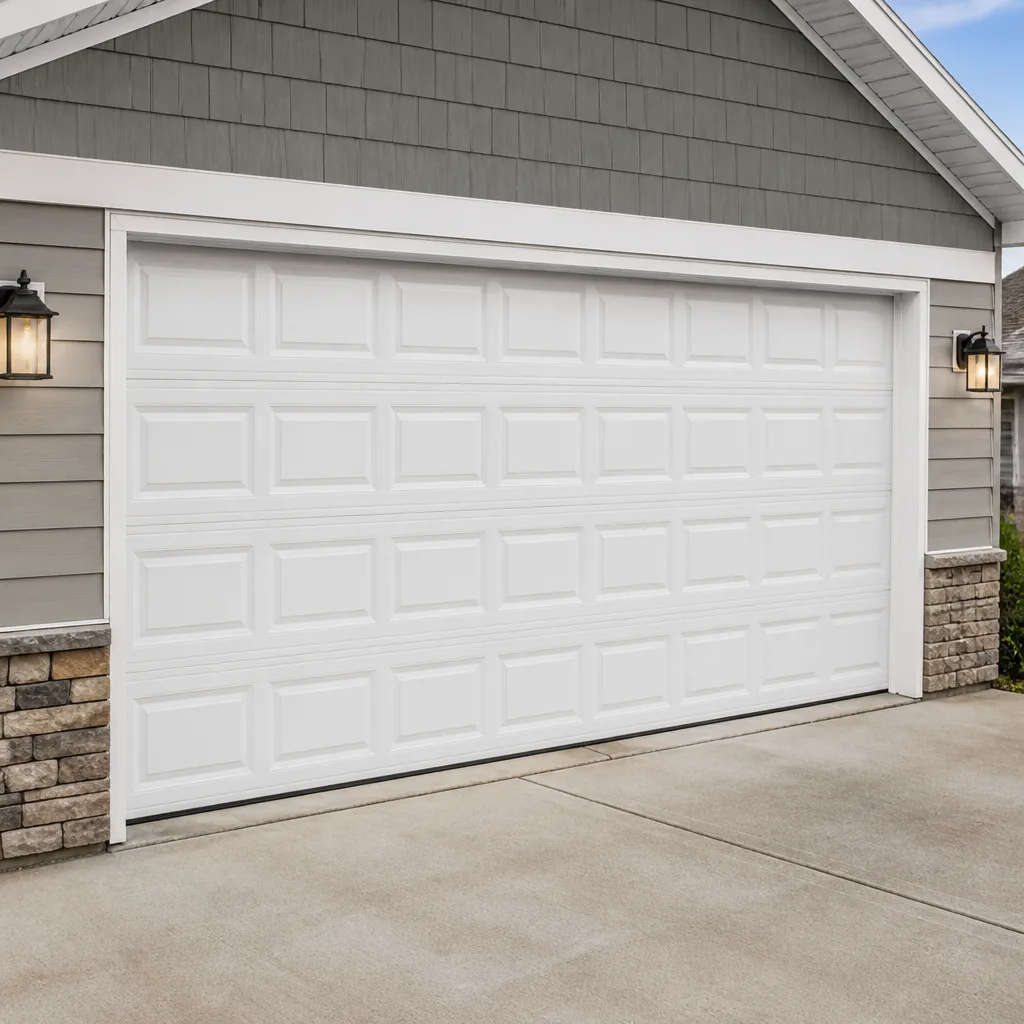 Raised-panel steel
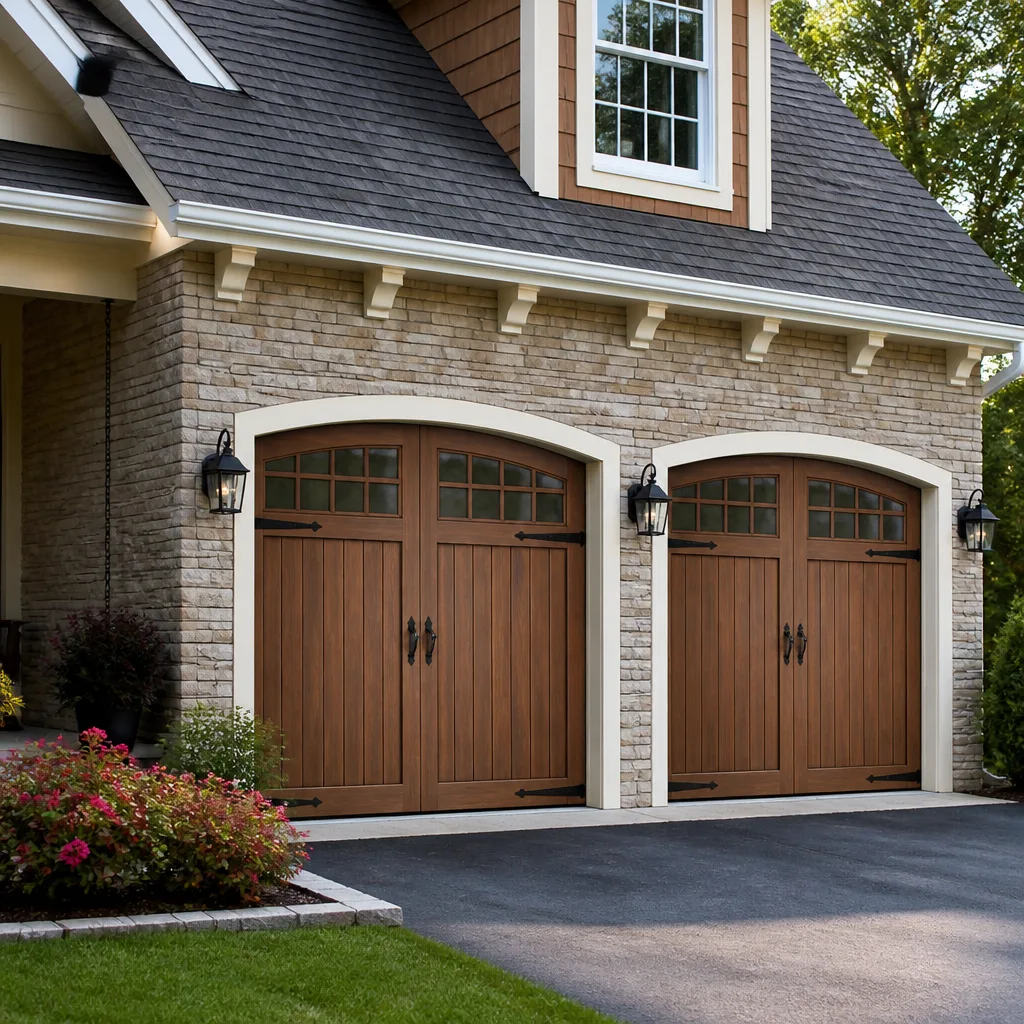 Carriage house
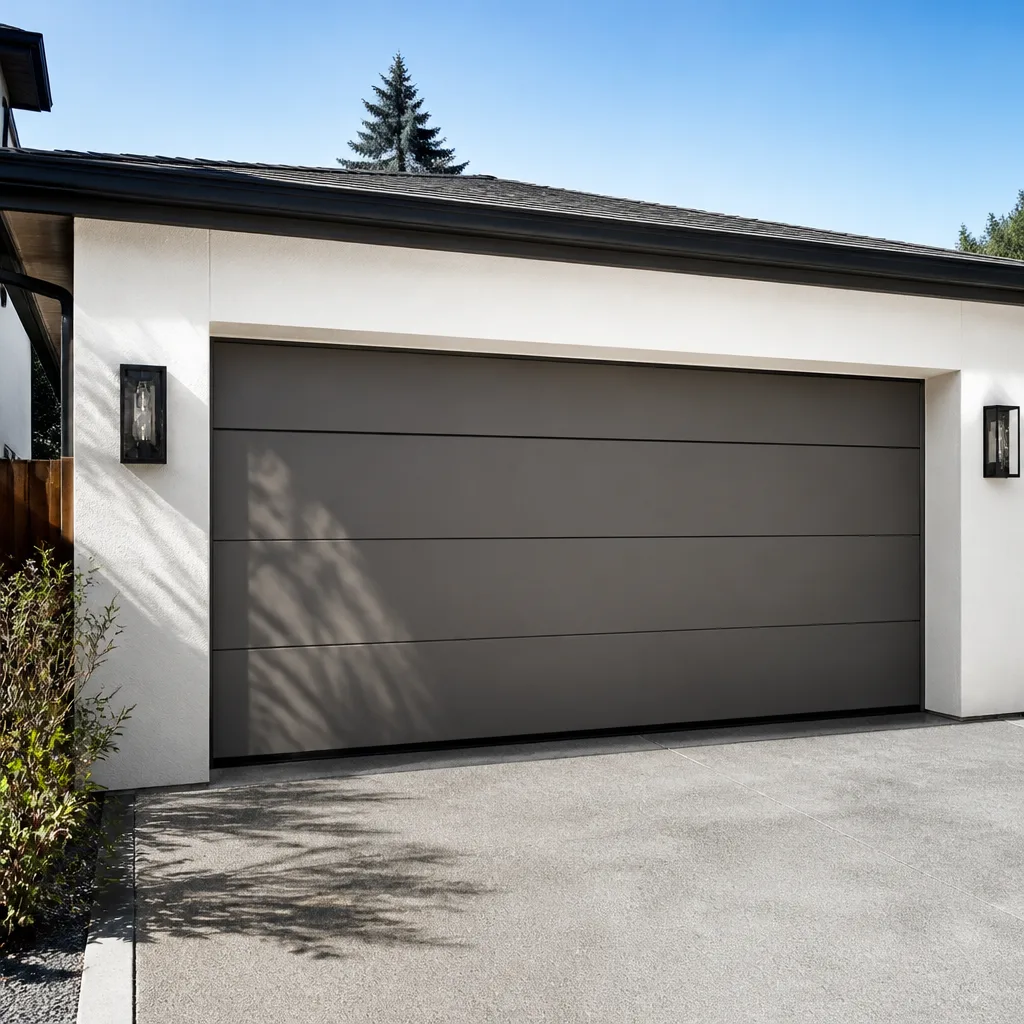 Modern flush
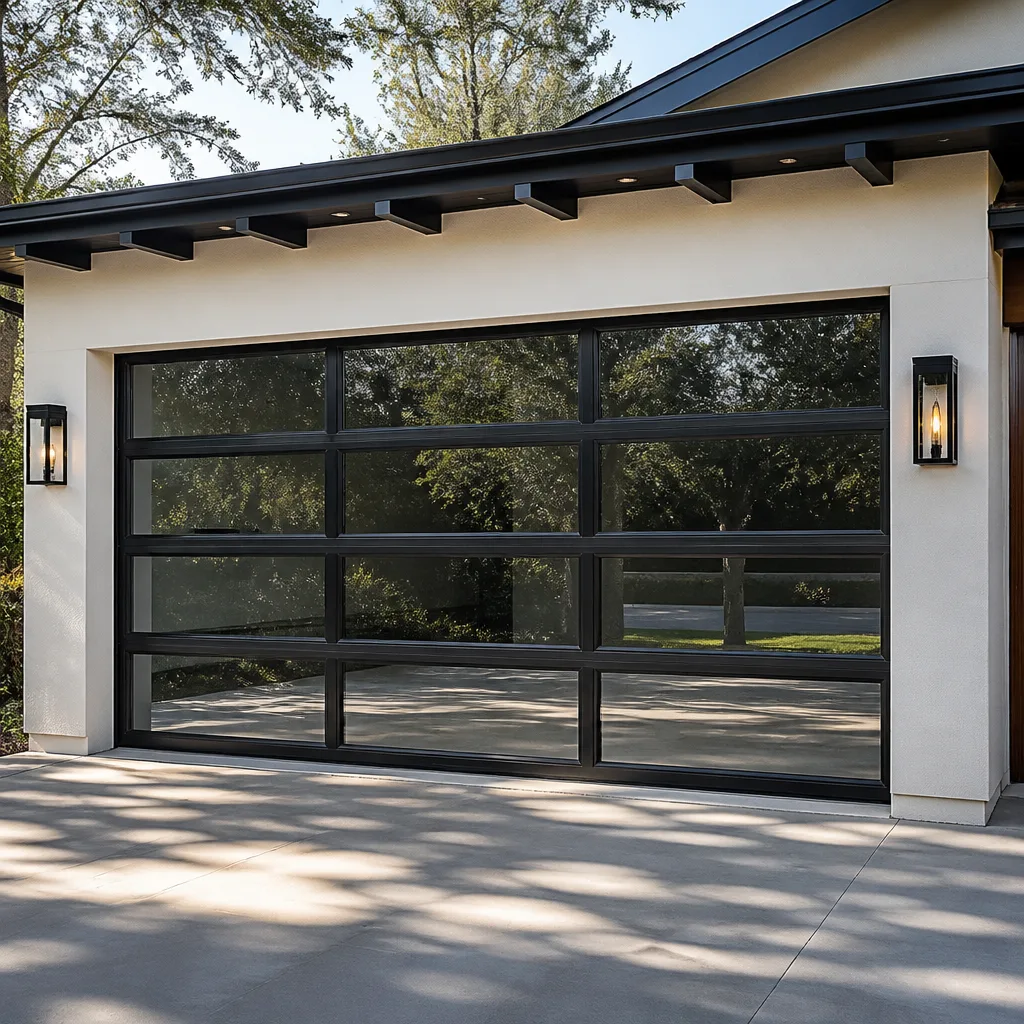 Full-view glass
 LiftMaster openers
 Chamberlain openers
Full 25-point door and opener safety check with every visit - springs, cables, rollers, tracks, and your LiftMaster or Chamberlain opener included
You get a price before we start. It does not change when the pro arrives.
Get your free estimateGarage Door Permits, Codes & Inspections in El Paso, TX: What You Need to Know
Most garage door work in El Paso needs no permit at all. That surprises homeowners who assume any structural change to the house requires stamped approval, and it’s exactly why the permit question gets skipped. The trouble runs the other way: the jobs that do require a City of El Paso building permit are the ones contractors sometimes overlook, and the homeowner carries the exposure years later at resale. Panel swaps that change a rough opening, new circuits for an opener, electrical tied to a 240V EV-ready unit – these land in permit territory while the quote says nothing about it. This guide walks through what triggers a permit in El Paso, what doesn’t, how Texas energy code shapes the door you buy, and how to check work a previous owner had done.
Quick Answer
In El Paso, routine garage door repairs – spring replacement, cable and roller swaps, opener and operator repair, and like-for-like door replacement in the same opening – generally don’t require a building permit. Work that changes the structure or the electrical system does: widening or altering a rough opening, adding a new circuit for an opener, or converting to a 240V EV-compatible unit. When in doubt, ask the City of El Paso building department before the work starts, and ask the contractor to put permit responsibility in writing.
Styles & brands we work with
- Raised-panel steel
- Carriage house
- Modern flush
- Full-view glass
- LiftMaster openers
- Chamberlain openers
Table of Contents
- What Garage Door Work Requires a Permit in El Paso?
- What Garage Door Work Is Exempt From Permits?
- How Texas Energy Code Affects Your New Garage Door
- What a Certificate of Occupancy Inspection Checks
- How to Verify Permit Status on Work a Previous Owner Had Done
- The Resale Problem With Unpermitted Structural Work
- How El Paso’s Climate and Housing Stock Shape Garage Door Choices
- How to Handle a Permit Question Step by Step
What Garage Door Work Requires a Permit in El Paso?
A garage door project needs a City of El Paso building permit when it changes the structure of the opening, adds or alters electrical circuits, or touches the framing that holds the header. Everything else – the mechanical repair of the door and the operator – is normally handled without one. The line isn’t always intuitive, which is why the conversation should happen before a technician starts, not after.
Here’s the distinction worth keeping. A spring that snaps is a mechanical failure inside the existing assembly. A door panel that gets replaced in kind, with the same dimensions and the same mounting points, is also mechanical. But change how the door mounts, widen the opening, or convert a manually operated door to an electrically operated one with a new dedicated circuit, and you’ve crossed into structural or electrical work. That’s where the city’s building department has jurisdiction and where a licensed electrician may enter the picture alongside the door contractor.
- Altering the rough opening – widening or heightening the framed opening to fit a larger door.
- Header modifications – cutting, sistering, or replacing the structural header above the door.
- New or altered electrical circuits – adding a dedicated 120V or 240V circuit for an opener where none exists.
- Converting a manual door to an electric operator – when that conversion requires new wiring.
- Structural repairs after impact – rebuilding framing after a vehicle strike or similar damage.
- Adding a new garage door to a structure without one – a new opening in a wall.
One practical note: the City of El Paso building department is the source of truth here, not your contractor’s memory and not any website. Requirements can shift, and the department’s interpretation of how a job classifies in a particular neighborhood is what counts. A phone call before the project starts settles it. Our technicians have up to 8 years of experience, and even we ask the city rather than guessing.
What Garage Door Work Is Exempt From Permits?
The bulk of garage door work in El Paso needs no permit. Spring replacement, cable replacement, roller and hinge swaps, track realignment, opener repair, remote and keypad programming, safety sensor adjustments, and installing a new opener on an existing electrical circuit all fall into the exempt category. These are repairs to components that already exist in the assembly, not changes to the building.
Full door replacement deserves a closer look. If a homeowner pulls a damaged door out of its existing opening and installs a new door of the same nominal dimensions using the same mounting hardware and the same track layout, that’s usually treated as a replacement rather than an alteration and typically proceeds without a permit. If the replacement requires new framing, a different track configuration that changes how the door sits in the wall, or a change to the opening itself, the project edges toward permitted territory. The practical test is simple: does the change touch the structure or the building’s electrical system? If yes, ask the city. If no, you’re likely in exempt territory.
For emergency work, this distinction matters. When a torsion spring fails, the door becomes inoperable and unsafe, and the fix is a repair, not a structural change. We handle garage door repair at every point in the mechanism, and we can usually tell a homeowner within minutes whether what’s needed is a repair or something that has to go through the city. If you’re stuck behind a broken door and the permit question is on your mind, a quick call sorts it. Nobody should have a broken spring sitting in their garage because they weren’t sure if a permit would be involved.
How Texas Energy Code Affects Your New Garage Door
An attached garage shares at least one wall with the conditioned space of the house, and Texas energy code treats that shared wall as part of the building envelope. This means an insulated garage door is more than a comfort upgrade: it’s part of how the home’s thermal boundary performs, and it’s typically factored into plan review when a new door goes in during new construction or a larger renovation.
El Paso’s summers are long, and the desert sun hits west- and south-facing garage doors hard for hours each afternoon. A door without insulation acts as a radiator: on a July afternoon the interior face of a steel door can heat up and transfer that heat directly into the garage, which then bleeds through the shared wall into the house. Insulated doors – typically polyurethane or polystyrene core panels – reduce that transfer. Here’s what to think about when choosing one.
- Insulated core vs. non-insulated: If the garage shares a wall with living space, insulation is usually worth the difference in price.
- Panel construction: Two-sided steel skins with a core between them outperform a single thin skin over a hollow cavity.
- Sealing at the perimeter: Weatherstripping at the sides, top, and bottom does more than the door’s R-value alone.
- Glazing and windows: Small decorative windows are fine; a row of single-pane windows defeats the insulation.
- Door brand continuity: When you buy a Clopay, Amarr, or Wayne Dalton replacement, ask about insulation options in the same model line, so the framing stays compatible.
Ask your contractor whether the new door’s insulation value matches what the project’s plan review expects. That question belongs in the ordering stage, not after the door is delivered.
What a Certificate of Occupancy Inspection Checks
In new residential construction in El Paso, a certificate of occupancy inspection happens near the end of the project, once the structure, systems, and finishes are complete. The inspection is broad, and the garage door system is one of the items the inspector reviews. What the inspector looks for on a garage door isn’t a deep mechanical analysis; it’s a check that the installed system functions safely and meets the approved plans.
- Door operates under its own power. The opener moves the door smoothly through a full open-close cycle without binding or stalling.
- Safety reversing system functions. The photo-eye sensors at the floor are mounted per the manufacturer’s instructions and reverse the door when an obstruction is placed in the path.
- Force and travel are calibrated. The opener’s close-force limit is set low enough that the door reverses when it meets resistance.
- Auto-reverse on contact. A properly weighted test verifies the door reverses when it hits an obstruction.
- Manual release operates. The emergency release cord functions so the door can be opened by hand if the power fails.
- Attachment and clearances. The door, track, and opener are firmly attached; nothing intrudes into the door’s path.
- Electrical connections. The opener’s wiring, circuit, and any junction is to code and free of exposed conductors.
- Matches approved plans. The door model, size, and location align with what was submitted for the permit.
Builders and their subcontractors typically coordinate the inspection with the city. If you’re a new homeowner and you’re not sure whether your garage door was part of that inspection, your closing paperwork or the city’s records will show it. If you’re a builder looking at the same list, the opener-side items are where we spend most of our time, and garage door opener repair or calibration is often what a punch list needs.
How to Verify Permit Status on Work a Previous Owner Had Done
El Paso has a large military and defense-community population, and that drives steady turnover in housing – homes change hands more often than the average Texas market, which means more and more homeowners inherit work they didn’t commission. If a prior owner modified the garage door, added an opener, or converted the garage, you may have no record of it. Verifying the permit status is straightforward if you know where to look.
- Pull the property’s permit history from the City of El Paso. The building department can tell you what permits were issued on the address and whether they were finaled.
- Check the disclosed seller records. Texas seller disclosure forms ask about known modifications; if something is disclosed, get the permit number for it.
- Look at the door and opener for installation labels. Manufacturers’ stickers show model, manufacture date, and sometimes the installing contractor – a clue that ties to a permit record if one exists.
- Compare the door to neighbors’ original installations. If your garage door doesn’t match the plan-built doors in the neighborhood, ask why.
- Look at the electrical feed. If there’s an opener or an outlet where a manual door previously sat, there’s likely an electrical permit behind it – or there should be.
- Ask a garage door technician to inspect for signs of unpermitted work. Improper track mounting, framing that doesn’t match the original pattern, or open junction boxes are all signs someone did structural or electrical work without permits.
If you find unpermitted work, the path to cure it usually involves pulling a permit after the fact and having the work inspected. That’s not always a disaster – cities are used to it – but it’s better discovered by you than by a buyer’s inspector during a sale.
The Resale Problem With Unpermitted Structural Work
Here’s what happens with unpermitted structural garage work at resale. During a buyer’s home inspection, the inspector notes something that doesn’t match the original construction – framing, an opening that was enlarged, an electrical panel with a circuit that feeds nothing. The buyer asks for the permit. There isn’t one. The deal stalls while everyone scrambles to determine whether the work is safe, whether it can be permitted after the fact, and what it will cost to make it compliant. Lenders can tighten up, timelines slip, and a seller sometimes ends up paying for investigations and repairs to save the sale.
For a homeowner who’s been told that “nobody permits a garage door,” this can feel backwards. And in the exempt categories, it’s true – nobody does, because they don’t need to. The problem is narrower and more dangerous: structural alterations and electrical changes that bypass permits because a contractor decided they weren’t worth the paperwork. Those are the jobs that show up at inspection. They also represent the situations where a homeowner’s insurance might ask questions after a loss, and where a code compliance officer could get involved if a question were raised.
The best defense is on the front end: have the contractor put in the proposal whether any part of the job requires a permit, who pulls it, and who pays the permit fee. Ask before you sign, not after the door goes in. If a job description reads as exempt, but the scope includes new framing or new electrical, walk it through that conversation. On the door and operator side alone – the mechanical repair, the spring, the opener – you’re in exempt territory, and a technician can just fix it. It’s the structural and electrical work that warrants a paper trail.
How El Paso’s Climate and Housing Stock Shape Garage Door Choices
El Paso sits in the Chihuahuan Desert, at elevation, with long, hot summers and cool, dry winters. For garage doors, this produces two recurring patterns we see often. First, the intense sun exposure – especially on west- and south-facing doors – drives up the interior temperature of a garage and stresses the finishes on steel and wood-look panels. Second, the dry air and wide daily temperature swings put steady load on the door’s moving parts, especially springs and hinges. These aren’t reasons to overbuild anything; they’re reasons the choice of door and the quality of installation matter.
Housing stock varies widely across the city. Neighborhoods on the west side and in the northeast tend to have a mix of newer construction with insulated steel doors and older homes with wood or steel panels that have been through multiple owners. Areas around the Fort Bliss side see frequent turnover. Across all of it, the doors installed are overwhelmingly panel-style – sectional doors that roll up on tracks – with a small number of single-panel tilt doors on older homes. Brands like Clopay, Amarr, Wayne Dalton, and Craftsman cover the majority of what’s on garages here, and knowing which door you have matters when you’re ordering a replacement or matching an existing opener.
Practical choices for El Paso homeowners: pick insulated panels on any garage that shares a wall with the house, prioritize a well-sealed perimeter to keep dust and heat out, and pick a door brand whose service parts are actually available locally. When it’s time to look at installation, the door and the opener can be specified together, and garage door installation is where that gets handled. The right door for an El Paso garage is rarely the cheapest one; it’s the one that fits the opening, insulates where it counts, and has a track record in this climate.
How to Handle a Permit Question Step by Step
When you’re facing a garage door project and you’re not sure whether a permit is involved, there’s a reliable sequence. Follow it and you’ll either confirm that no permit is needed or you’ll have the paperwork sorted before anyone swings a hammer.
- Write down exactly what the job is. “Replace springs” is different from “widen the opening by a foot.” Be specific about panels, framing, and electrical.
- Call the City of El Paso building department. Describe the work in plain language and ask whether a permit is required. Get the answer from the department, not from a website or a neighbor.
- Ask the contractor to spell out permit scope in the proposal. Who pulls it, who pays the fee, what inspections it will trigger.
- Confirm who handles any electrical work. If a new circuit is required, a licensed electrician may need to be involved alongside the door contractor.
- Save every piece of paperwork. Permit number, inspection reports, finaled status – keep it with your home documents.
- Have the finished work inspected. If a permit was required, the inspection is the sign-off that protects you later.
If you’ve relied on a handyman or a prior owner for the last job, this is the moment to verify. When you call us, we can walk through what a job entails and whether it touches structural or electrical components – and we’ll point you to the city for anything that does. Our team works on whatever brand is on the garage, from a damaged panel to a Craftsman opener that won’t reverse properly, and we’ll tell you plainly when your job doesn’t need a permit at all.
Common Mistakes to Avoid
- Assuming any garage door work needs a permit. Most repair work doesn’t, and paying for permits you don’t need adds cost and time to a simple spring replacement.
- Assuming no garage door work needs a permit. The opposite error is worse: structural framing changes and new electrical circuits that skip permits surface at resale. Ask the city.
- Not asking who pulls the permit. If a contractor says “don’t worry about it,” get it in writing. The permit should name the responsible party.
- Skipping permit verification when buying a home with a modified garage. El Paso’s high turnover means a lot of inherited work – check the city’s permit history before closing.
- Choosing an uninsulated door for an attached garage. In El Paso’s heat, an uninsulated door feeds directly into the house’s cooling load through the shared wall.
- Assuming a new opener doesn’t involve electrical work. If there’s no existing circuit where the opener is going, an electrician and likely a permit are part of the job.
- Forgetting to record the finaled inspection. Keep the paperwork with your home file; you’ll be asked for it at resale.
See the difference
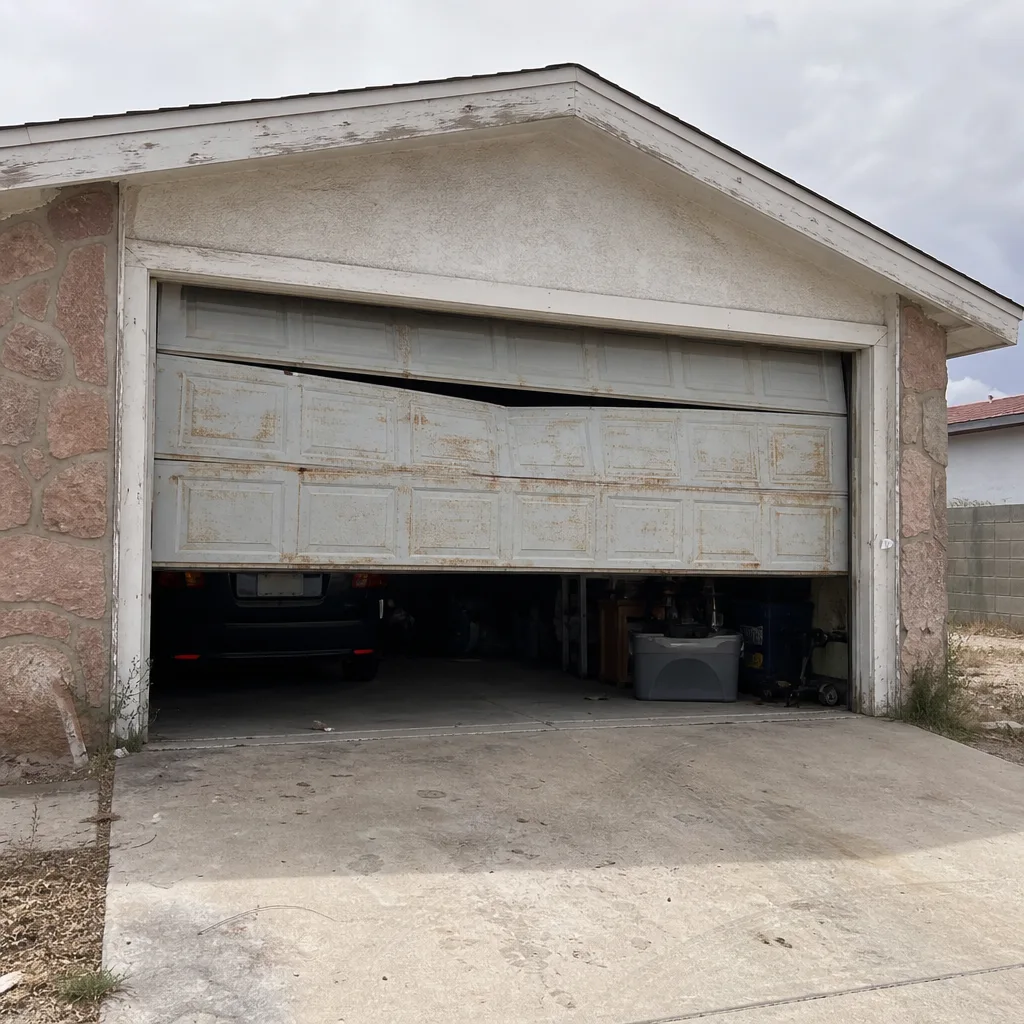 Before
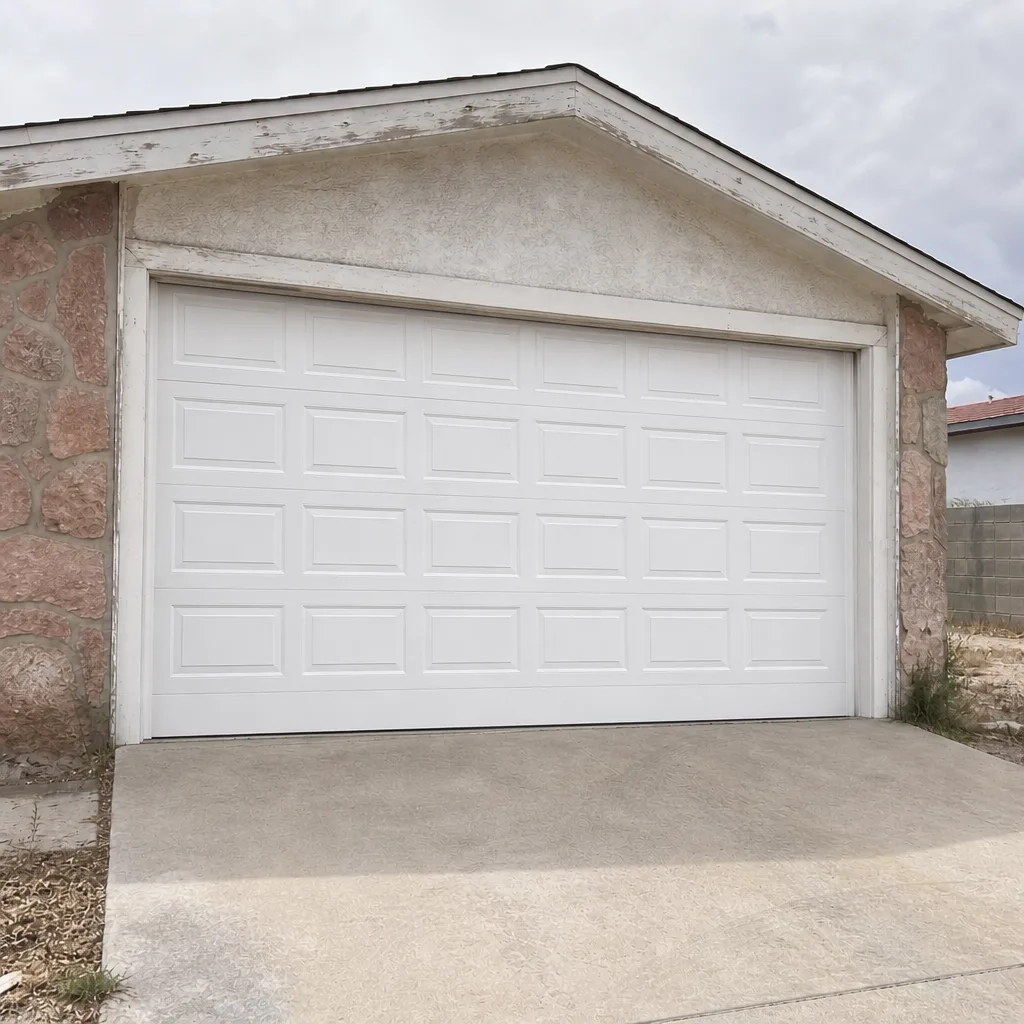 After
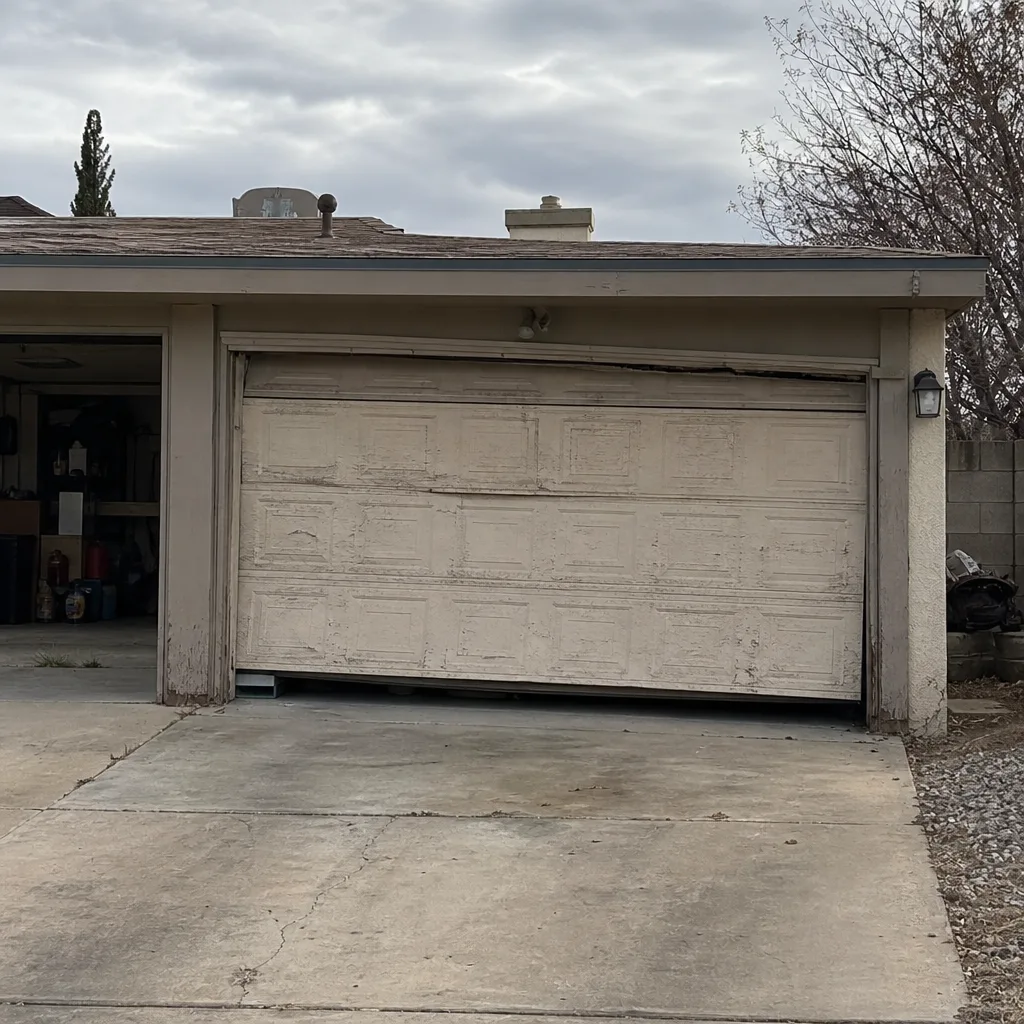 Before
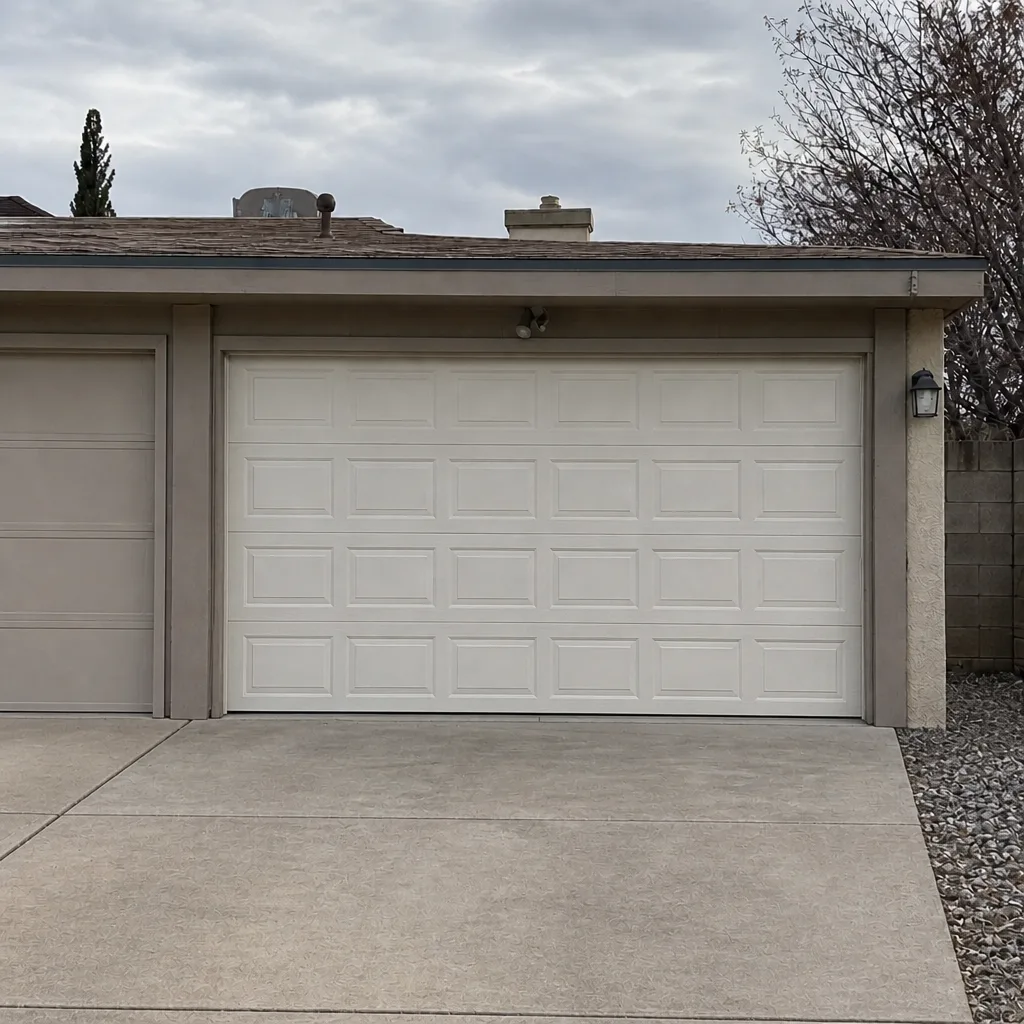 After
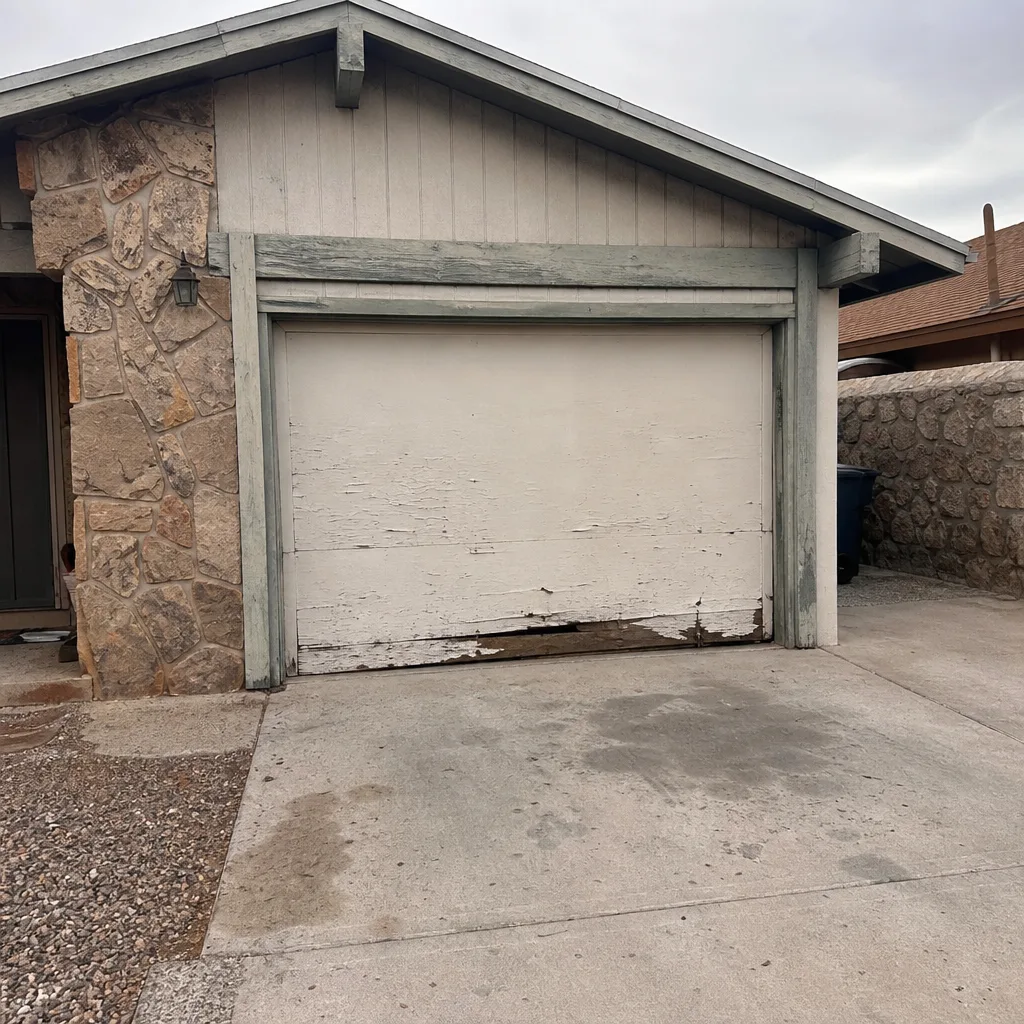 Before
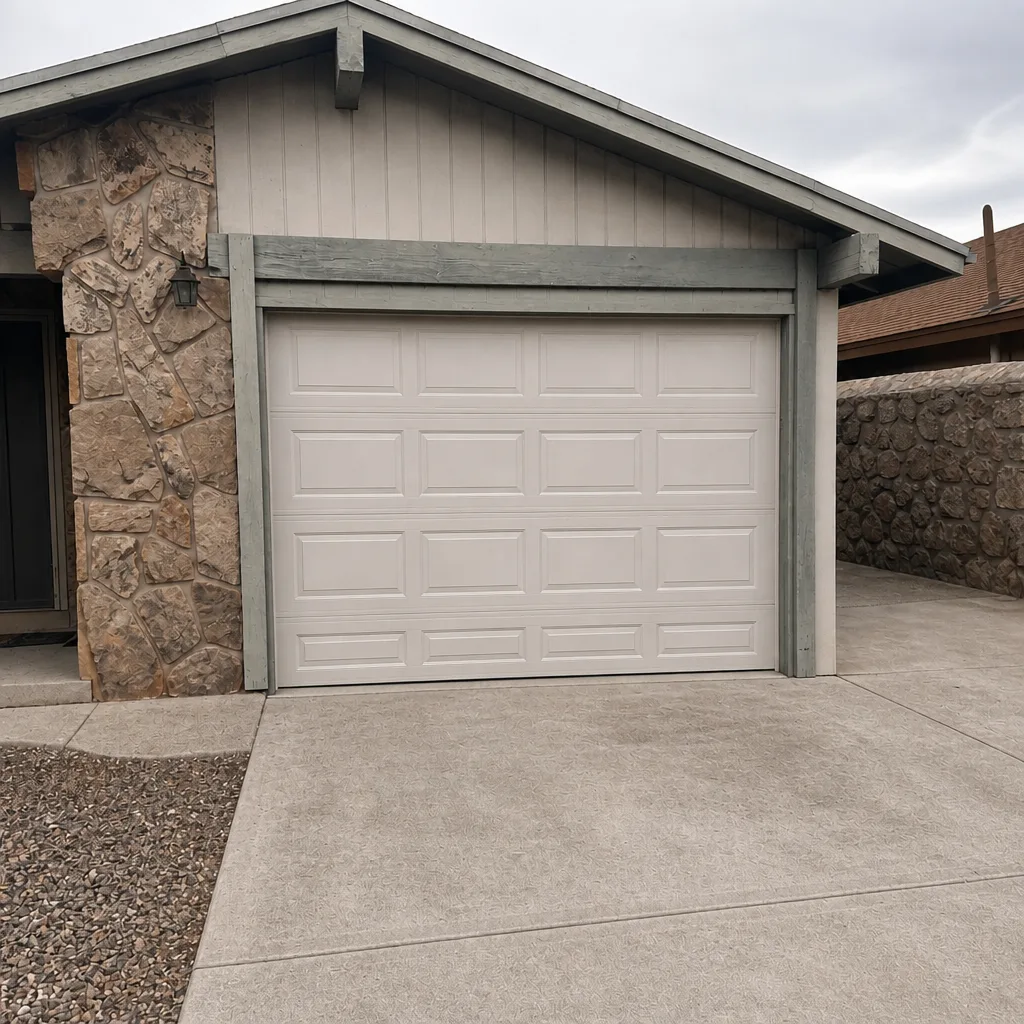 After
When to Call a Professional
Call a professional when the door or opener has failed, when the door is visibly misaligned or binding, when you’re planning a replacement and need to know what fits, or when you’re not sure whether a job touches structural or electrical components. Torsion springs and cables under tension are genuinely dangerous – a spring under load can fail suddenly and cause serious injury, and adjusting or replacing one without the right tools and technique is not a homeowner task. If a door won’t close evenly, an opener reverses at random, or a panel is cracked near a hinge, that’s a call. El Paso Garage Door Service offers free estimates in El Paso – call (833) 345-7126. We answer 24/7. Fast dispatch from 7am to 7pm, Sunday through Friday. The price is quoted and agreed before any work starts, and if your job needs a permit, we’ll say so up front. You can learn more about how we serve the community on our El Paso page.
Frequently Asked Questions
In most cases it doesn’t – a like-for-like replacement in the same opening, with the same dimensions and mounting points, is typically treated as exempt. If the replacement changes the rough opening, involves new framing, or adds electrical for a new opener circuit, a permit is likely required. Confirm with the City of El Paso building department before the work starts. Call (833) 345-7126 for a free estimate on the door itself.
No. Spring replacement, cable replacement, roller and hinge swaps, and track realignment are mechanical repairs inside the existing assembly and don’t trigger a permit. A torsion spring stores enough energy that replacing one is genuinely dangerous without the right tools and technique, so it’s work for a trained technician, not a DIY project. Call (833) 345-7126 – estimates are free.
It checks that the door operates under power, that the safety reversing system and photo-eye sensors function, that force and travel are calibrated, that the manual release works, that the door and operator are firmly attached, and that electrical work is to code and matches the approved plans. Builders coordinate the inspection with the city; homeowners inheriting construction should verify the finaled records. For opener calibration or repair, call (833) 345-7126.
Start with the City of El Paso building department’s permit history on your address. Then check the seller’s disclosure form, look for manufacturer’s labels on the door and opener, and compare the door to similar homes in the neighborhood. If a technician finds signs of unpermitted work – odd framing, mismatched track mounting, or open junction boxes – that’s a signal worth chasing down. Call (833) 345-7126 for an inspection.
Our technicians are experienced professionals – up to 8 years of experience on doors and openers, across brands like LiftMaster, Clopay, Amarr, and Wayne Dalton – and they’ll be straight with you about what your system needs. Ask to see licensing and insurance documentation before work begins; a reputable contractor will provide it. Call (833) 345-7126 to schedule a free estimate.
It can stall the sale. A buyer’s inspector will flag structural or electrical work that doesn’t match original construction, and without a permit on record the deal may pause while everyone figures out the cure path. Getting the work permitted and inspected after the fact is usually possible, but it’s faster and cheaper to do it right the first time. If you’re not sure what you have, we’ll take a look – call (833) 345-7126.
The Bottom Line
Most garage door work in El Paso doesn’t need a permit, and most homeowners get tangled up worrying about the wrong half of that sentence. The real risk is on the structural and electrical side: opening changes, framing work, and new circuits that skip the city’s process and surface years later at a home inspection. Verify the city’s requirements directly, put permit responsibility in writing with your contractor, keep the paperwork, and check the permit history on any home you buy. The door and opener side – springs, cables, panels, openers, calibration – is where a trained technician just fixes what’s there. El Paso Garage Door Service works on whatever brand is on your garage, repairs and replaces, and answers permit questions straight.
Call (833) 345-7126 for a free estimate. We answer 24/7. Fast dispatch from 7am to 7pm, Sunday through Friday.
Written by the team at El Paso Garage Door Service.